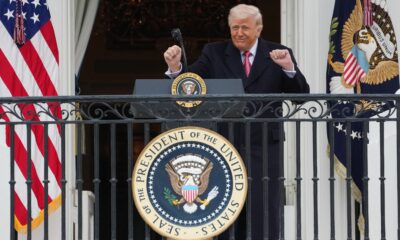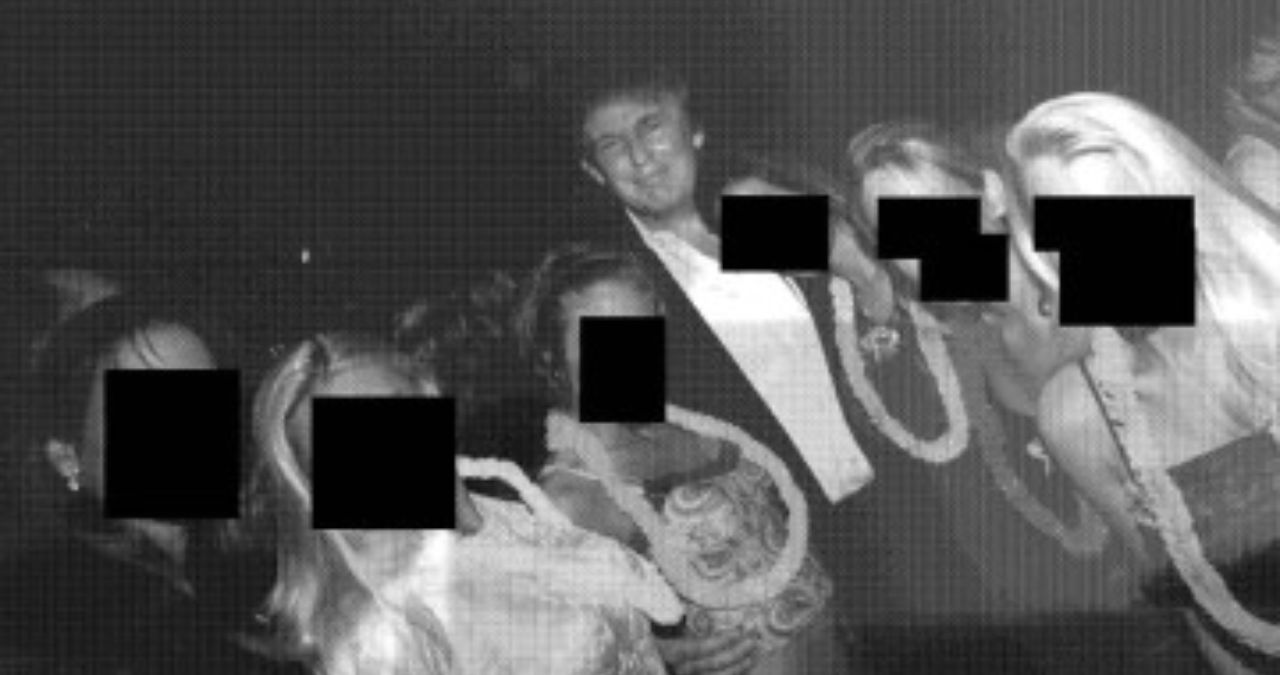

An excerpt from a decades-old radio interview with former U.S. President Donald Trump has recirculated online, generating significant controversy and discussion across social media platforms. The clip, originating from a 2005 episode of “The Howard Stern Show,” features Trump making remarks about age limits in dating scenarios.
Content of the Resurfaced Interview Clip
In the audio segment, host Howard Stern asks Trump, “You can date anyone from 1 to 100, right?” Trump responds, “Yeah.” Stern then presses further, asking, “What’s the minimum? Would you go to 16?” Trump replies, “It’s gotta be legal.” When Stern asks if that means “16 is okay,” Trump states, “I think it’s okay.” Stern continues, “What about 15?” to which Trump responds, “Well, again, it depends on… Now, it’s a very dangerous question because you could get yourself in a lot of trouble.” The conversation concludes with Stern asking, “You wouldn’t stop at 12?” and Trump answering, “No.” The exchange has been widely summarized online with the phrase “no age limit.”
Context and Resurfacing
The interview originally aired nearly two decades ago, long before Trump’s political career began. The audio clip gained renewed attention this week after being shared by prominent accounts on platform X, formerly known as Twitter, and other social networks. Its viral spread was amplified by users expressing outrage and linking it to current political discourse.
Fact-checking organizations have verified the authenticity of the audio. The full context shows it was part of a rapid-fire, shock-jock style segment where Stern frequently posed provocative hypothetical questions to guests. No allegations of illegal conduct by Trump related to these specific remarks have been reported.
Online Reaction and Political Response
The reaction online has been polarized. Many users have condemned the remarks as inappropriate and disturbing. Political opponents of Trump have cited the clip as character evidence. Supporters of the former president have largely dismissed the controversy, arguing the comments were made in jest during a comedic radio show and are being taken out of context for political motives.
As of now, there has been no official public statement from Trump or his campaign team addressing the specific resurfacing of this clip. The incident highlights how digital archives and social media platforms can rapidly reintroduce historical media into contemporary political conversations.
Broader Implications for Media and politics
This event underscores the enduring challenge for public figures regarding past statements made in entertainment contexts. It also demonstrates the power of social media algorithms to set news agendas by amplifying content that drives high engagement, often from historical sources.
Media analysts suggest that similar resurfacing of old interviews and comments from various political figures is likely to continue as the election cycle intensifies. Campaigns are increasingly tasked with managing narratives stemming from decades-old recordings in an era of instant, viral dissemination.
Moving forward, political communications teams may intensify scrutiny of candidates’ past media appearances across all formats. The incident is expected to be referenced in future political commentary and may influence strategies for how campaigns handle opposition research based on archival entertainment media.
Source: Various verified media archives and social media platforms.