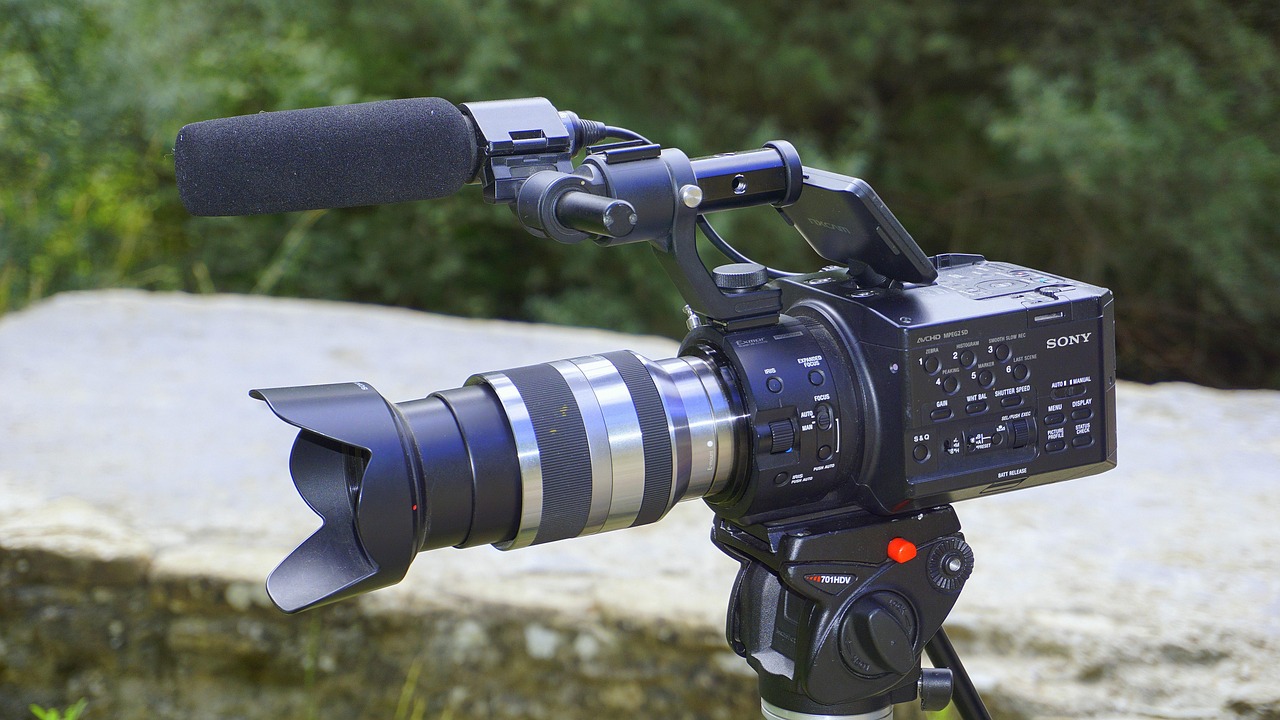

The cinematographer behind the television series “The Pitt” has detailed the process of creating the show’s distinctive and immersive visual style. The approach centered on a deep psychological understanding of the characters to inform the camera work and atmosphere. This methodology was implemented during the production of the medical drama, which is set in a busy Pittsburgh hospital.
In a recent statement, the director of photography emphasized that the visual language of the series is not merely aesthetic but is fundamentally driven by narrative and character. “We have to understand the psychology of the character and really dig into it to understand how to visually create the right atmosphere and pass it through to the audience,” the cinematographer said. This principle guided all visual decisions, from lighting and camera movement to color grading and composition.
Building Atmosphere Through Character Psychology
The production team conducted extensive research and collaboration with the show’s writers and actors to translate emotional and psychological states into visual terms. For a series set in the high-pressure environment of an emergency room, this meant crafting a visual experience that conveys urgency, intimacy, and raw human emotion. The cinematography aims to place viewers directly within the tense moments faced by the medical staff and patients.
Technical execution involved specific choices to achieve this immersion. The use of handheld cameras, deliberate framing, and controlled lighting schemes were all employed to reflect a character’s internal journey or the specific mood of a scene. The goal was to ensure that the audience feels the weight of decisions and the emotional stakes without relying solely on dialogue.
Industry Context and Production Techniques
The approach taken by “The Pitt” aligns with a broader trend in television and film where cinematography is increasingly used as a primary storytelling tool, beyond its traditional role of simply recording action. This series joins other acclaimed productions that prioritize a cohesive visual narrative designed to enhance emotional engagement and realism.
Producers of the show supported this intensive visual strategy, allocating resources for the necessary camera equipment and post-production processes. The collaboration between the director, cinematographer, and production designer was cited as crucial for maintaining a consistent and effective visual style throughout the filming schedule.
Reception and Visual Impact
Early critical responses to the series have frequently highlighted its compelling visual style as a key strength. Reviewers have noted that the cinematography successfully creates a palpable sense of place and tension, contributing significantly to the show’s immersive quality. This feedback suggests the technical and philosophical approach has resonated with initial audiences.
The focus on psychological realism through visuals represents a deliberate creative choice for the production. It demonstrates a commitment to using all elements of filmmaking, not just script and performance, to tell a complex story about life, death, and human connection in a medical setting.
Looking ahead, the techniques developed for “The Pitt” may influence visual strategies for other drama series, particularly those set in intense, real-world environments. The show’s production team is expected to continue employing this character-driven cinematographic philosophy for the remainder of the season. Further detailed discussions on the specific cameras, lenses, and lighting setups used are anticipated as the series gains more public and industry attention.
Source: Mashable