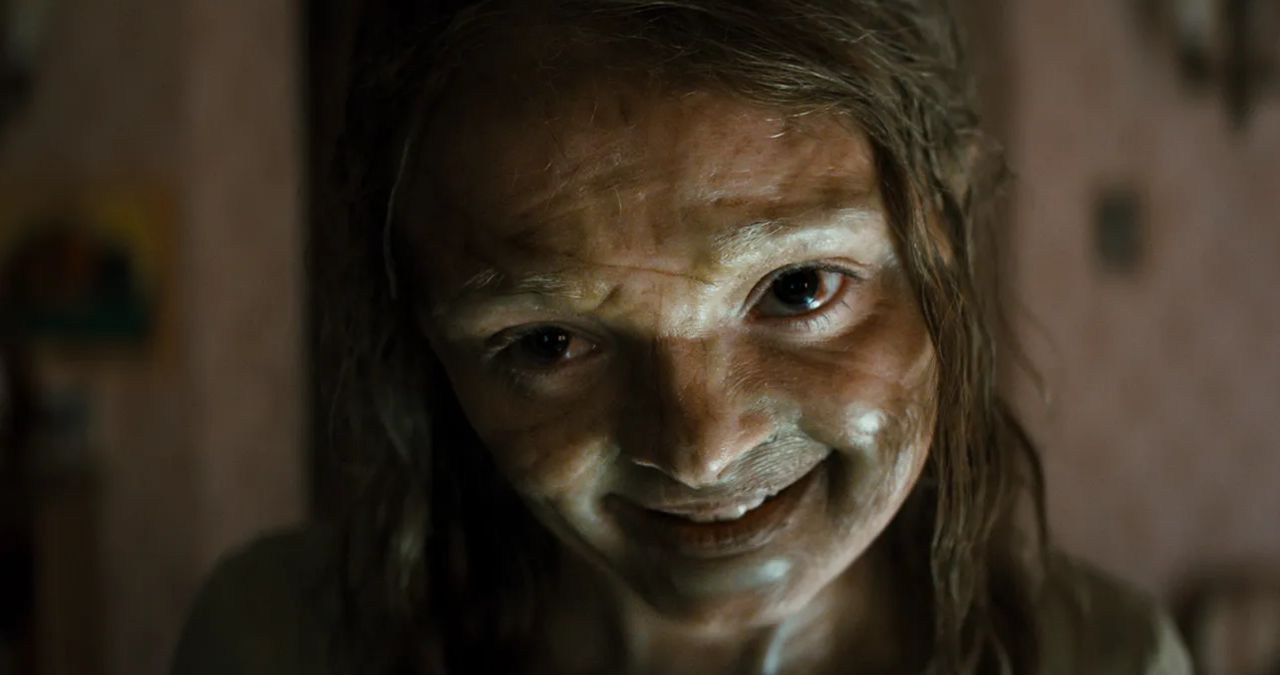

The conclusion of the horror film “The Mummy,” directed by Lee Cronin, has generated significant discussion among viewers seeking clarity on its supernatural elements and narrative resolution. The film, released globally, concludes with a sequence that leaves the fate of its central family ambiguous and introduces a mysterious ancient entity.
Plot Resolution and Key Revelations
The final act centers on a family attempting to escape a demonic force that has possessed their young child. This entity is revealed to be connected to an ancient, mummified corpse the family inadvertently disturbed. The film’s climax sees the parents making a desperate sacrifice to sever the physical connection to the mummy, trapping the malicious spirit.
However, the ending twist suggests the demonic presence, named Nazmaranian in ancient texts discovered by the characters, is not destroyed. Instead, its influence appears to transfer or lie dormant, implying the cyclical nature of the threat. The final scenes show the surviving family members haunted by lingering signs of the entity’s presence, casting doubt on the permanence of their victory.
Character of Nazmaranian and Thematic Elements
Nazmaranian is identified within the film’s lore as a pre-Christian deity or spirit of punishment, bound to a specific cursed location. Narrative clues indicate it feeds on familial guilt and trauma, using a host body to manifest. The being’s defeat in the physical realm does not equate to its eradication, a point underscored by symbolic imagery in the closing moments.
The hidden meaning often debated by audiences relates to themes of inherited sin and the inescapability of past actions. The monster’s connection to the land itself suggests commentary on historical atrocities and their lingering consequences on subsequent generations.
Sequel Setup and Future Projections
The ambiguous ending provides clear potential for future stories. The survival of the Nazmaranian entity, even in a diminished state, establishes a foundation for a continuation. Furthermore, the film introduces lore about a larger cult or historical group that originally worshipped the entity, elements which remain largely unexplored.
Director Lee Cronin has acknowledged in interviews that the mythology was designed with a broader scope in mind. The fate of the central family, particularly the child who was possessed, is left intentionally open, allowing for their return or for the story to follow new characters encountering the same ancient evil.
Based on the film’s narrative structure and the director’s statements, the conclusion of “The Mummy” is structured to allow for direct sequel development. Industry observers note that the commercial performance of the horror feature will likely be the primary factor in greenlighting a continuation of the story involving the Nazmaranian entity.
Source: Mashable