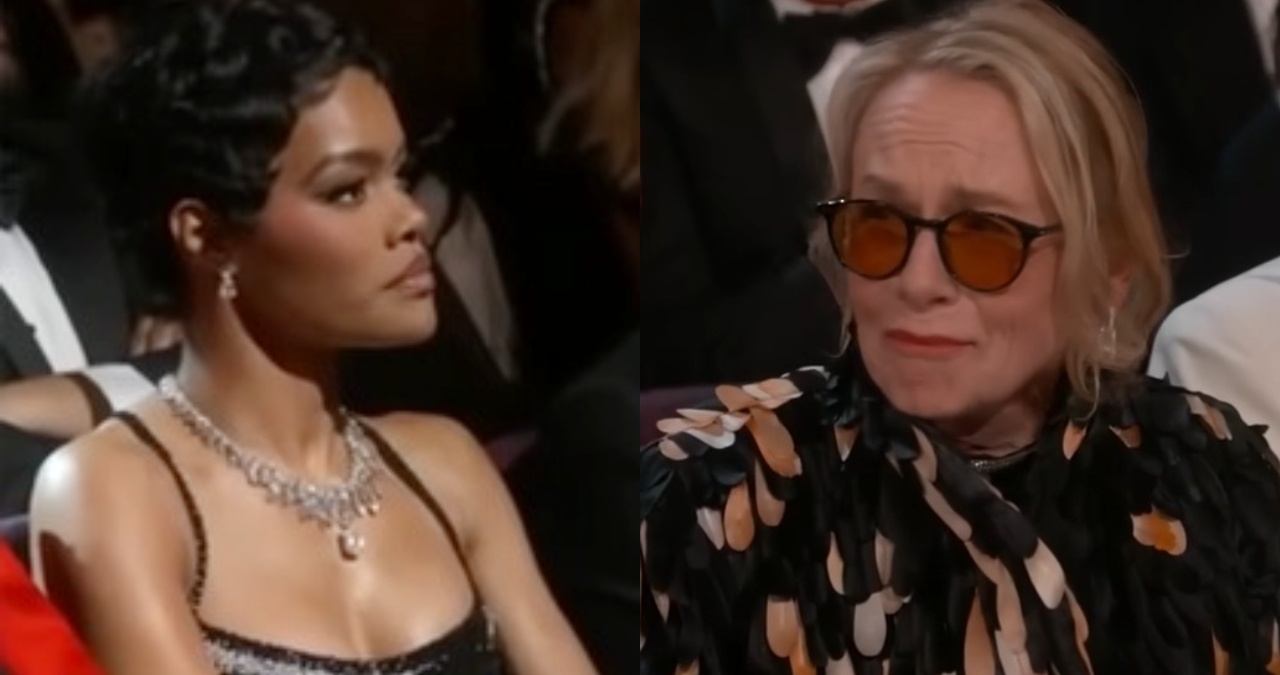

During the 2026 Academy Awards ceremony, actress and singer Teyana Taylor responded to online criticism regarding her visible reaction to fellow nominee Amy Madigan’s win. The incident occurred during the live broadcast from the Dolby Theatre in Hollywood, drawing immediate attention on social media platforms.
Context of the Incident
The moment unfolded as Amy Madigan was announced as the winner in a competitive category where Teyana Taylor was also nominated. Broadcast cameras captured Taylor’s immediate, expressive response in the audience. This footage was widely shared and dissected online in the hours following the ceremony, with some commentators labeling her reaction as exaggerated or “over the top.”
Taylor, known for her work in film and music, addressed the criticism directly through her official social media channels. In a statement, she clarified that her reaction was one of genuine surprise and support for her colleague. She emphasized the intense emotional atmosphere of the event and stated that her response was not directed negatively at Madigan’s achievement.
Public and Industry Reaction
The online discourse created a split among viewers and industry observers. Some social media users supported Taylor’s right to an authentic emotional response in a high-stakes setting. Others continued to critique the perceived nature of her reaction, fueling a broader conversation about audience etiquette and the pressures of live television at major award shows.
Amy Madigan has not publicly commented on the specific incident involving Taylor’s reaction. Representatives for the Academy of Motion Picture Arts and Sciences, which organizes the Oscars, have not issued a statement, typically treating such audience moments as personal reactions outside their official purview.
Broader Implications for Award Shows
This event highlights the amplified scrutiny faced by celebrities during globally televised events, where every expression is subject to instant analysis and viral dissemination. Media analysts note that reactions from nominees who do not win have long been a point of public fascination, but the speed and scale of social media commentary have intensified this dynamic.
The incident also touches on ongoing discussions about the representation and perception of emotional expression, particularly for women of color in the entertainment industry. Advocacy groups have previously noted differing public receptions to similar displays of emotion from public figures across demographic lines.
Looking Ahead
Industry observers expect the conversation regarding audience and nominee conduct at live awards ceremonies to continue as broadcasters and awards bodies assess viewer engagement. The focus is likely to remain on the balance between authentic moments and produced television. Further statements from the involved parties may emerge as post-Oscars media cycles progress, and the discourse may influence how networks choose to cover audience reactions in future broadcasts.
Source: Various media reports