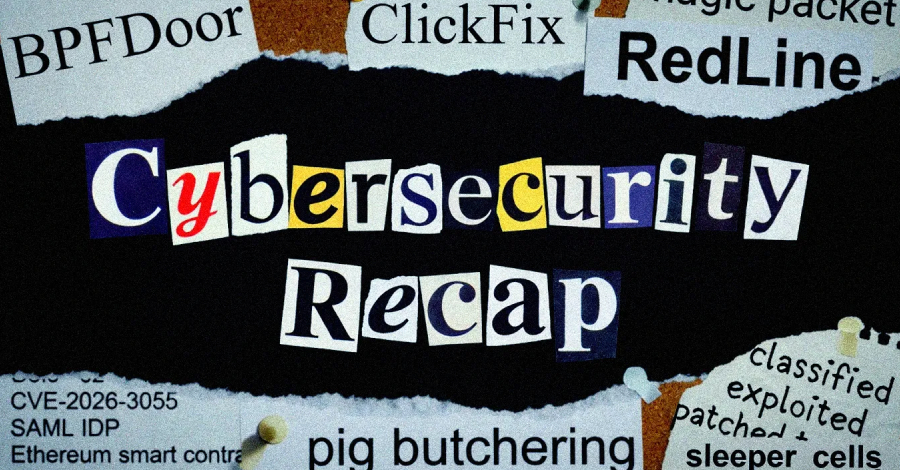

Legal proceedings have begun against alleged long-term espionage operations within telecommunications infrastructure, while new research demonstrates vulnerabilities in large language models. Separately, Apple has implemented mandatory age verification for UK App Store users. These developments highlight ongoing challenges in global cybersecurity, digital platform governance, and the practical application of artificial intelligence.
Telecom Network Espionage Cases Advance
Multiple legal cases involving suspected sleeper cell operations within telecommunications companies are now moving through court systems in several jurisdictions. The operations, which investigators describe as sophisticated and long-running, are alleged to have targeted critical network infrastructure. Prosecutors claim the intent was to establish persistent access for intelligence gathering or potential disruption.
Security analysts note that such cases reveal a persistent threat vector where trusted insiders or compromised systems within service providers can be exploited. The legal outcomes are being closely watched by the global telecom industry and national security agencies, as they may set precedents for liability and defensive requirements.
Large Language Model Security Breaches Documented
Cybersecurity researchers have published findings detailing successful “jailbreak” techniques against several prominent large language models (LLMs). These techniques bypass the built-in safety and ethical guidelines of the AI systems, prompting them to generate harmful, biased, or otherwise restricted content. The methods described are adaptations of older attack strategies, now applied to the new context of generative AI.
The research indicates that despite safeguards, LLMs remain vulnerable to adversarial prompting. This has raised concerns among developers and policymakers about the deployment of these models in customer-facing or high-stakes environments. The findings are expected to inform the next generation of AI alignment and security research.
Apple Enforces UK Digital Age Verification
Apple Inc. has rolled out a system requiring age verification for users in the United Kingdom attempting to download apps from the App Store. The change is a direct response to the UK’s new Online Safety Act. Users may be required to provide credit card information, a driver’s license, or other forms of identification to confirm they are over 18 before accessing certain content.
The implementation has sparked discussions about privacy, data collection, and the global inconsistency of age-gating standards. Digital rights groups have expressed concerns about the normalization of submitting official identification to private technology corporations. Apple states the process is designed to be secure and that data is handled in accordance with privacy laws.
Broader Implications for Tech and Security
The week’s developments are interconnected by themes of persistence and adaptation in the digital domain. Espionage campaigns leverage long-term access, AI attacks repurpose old methods, and platform regulation forces new technical compliance. For enterprise security teams, the recurring lesson is the need for continuous monitoring of both external threats and internal safeguards, regardless of how quiet the threat landscape may seem.
Similarly, the evolution of AI and content regulation presents ongoing challenges for developers and platform operators. Balancing innovation, safety, and user privacy requires navigating complex and often conflicting requirements from different governments and societal expectations.
Looking ahead, the telecom espionage cases are expected to proceed through the courts for months, if not years. The AI research community is likely to focus on developing more robust defensive techniques against model jailbreaks, potentially leading to rapid software updates. Observers also anticipate other technology companies to announce similar age verification systems for the UK market, and will monitor user adoption and any regulatory feedback on Apple’s specific approach.
Source: Various court filings, security research publications, and official company announcements.