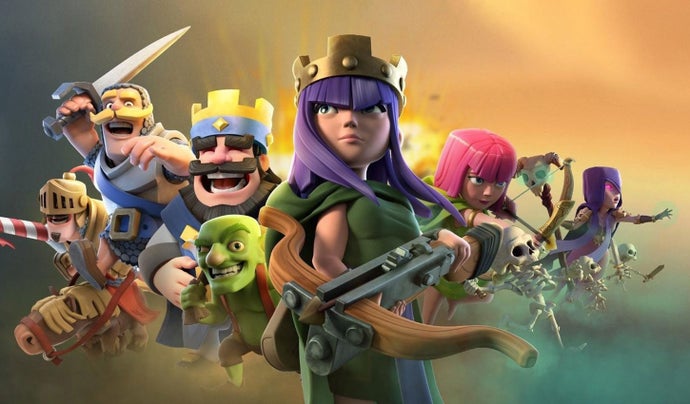

Mobile gaming giant Supercell has reported a decline in its annual revenue for 2025. The Helsinki-based company, known for global hits like “Clash of Clans” and “Clash Royale,” announced total revenue of €2.65 billion, a decrease of 4% from the previous year.
The financial results were published by the company in its official annual report. This marks a notable shift for one of the industry’s most consistently successful developers, which has maintained a strong financial position for over a decade with a small portfolio of long-lived games.
Financial Performance Details
While the company disclosed the overall revenue figure, detailed breakdowns of profit, operating expenses, or performance by individual game title were not immediately available in the initial announcement. The report typically provides a high-level overview, with more granular data often shared later or in separate regulatory filings.
Supercell’s business model relies heavily on in-app purchases within its free-to-play games. The company’s ability to keep players engaged and spending over many years has been a cornerstone of its financial success. Any fluctuation in revenue is closely watched by market analysts as an indicator of trends in the competitive mobile gaming sector.
Context and Market Landscape
The mobile gaming market has experienced significant evolution and increased competition in recent years. New titles from a wide range of publishers, changes in user acquisition costs, and evolving platform policies, particularly on iOS and Android, can impact developer revenues.
Supercell operates with a unique “small team” philosophy, focusing on a handful of games developed by autonomous cells. Its major titles, including “Brawl Stars,” “Hay Day,” and “Boom Beach,” continue to receive regular content updates to maintain player interest. The performance of these established games directly influences the company’s annual financial results.
Industry observers note that maintaining growth for games that are several years old is a constant challenge. Developers must balance introducing compelling new content to retain existing players while also attracting new users in a crowded marketplace.
Company History and Strategy
Founded in 2010, Supercell achieved rapid success and was acquired by Chinese conglomerate Tencent Holdings in 2016. Despite the acquisition, the company has maintained operational independence in Helsinki. Its strategy of prioritizing game quality over quantity and willingly canceling projects that do not meet its high standards is well-documented.
The company has invested in other gaming studios and explored new game development, though its core revenue stream remains tied to its flagship titles. The slight revenue dip may prompt questions about the timing and impact of its next major game release, which the company has not publicly announced.
Looking Ahead
Supercell is expected to provide further commentary on its 2025 results and its outlook for the coming year in subsequent communications. The company’s next steps will likely involve continued investment in live operations for its existing games while progressing its development pipeline. The broader industry will monitor whether this single-year decline represents a temporary adjustment or the beginning of a new trend for the veteran developer. The company’s ability to adapt its live service strategies and potentially launch a new hit title will be critical factors for its financial performance in 2026.
Source: GamesIndustry.biz