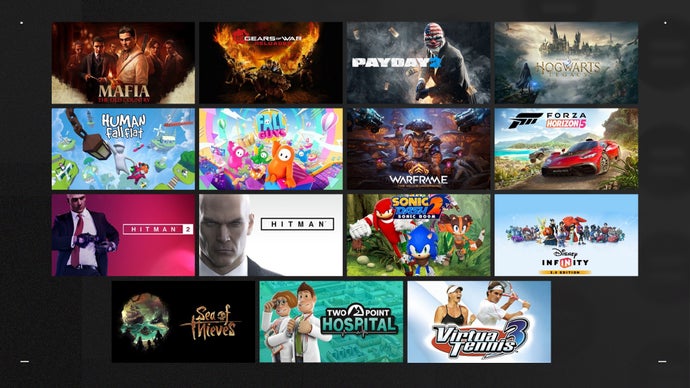

The Sumo Group, a major video game development collective, has implemented a significant restructuring plan, resulting in a more focused company structure. This strategic shift follows a period of rapid expansion and acquisition, with the group now consolidating around its core development strengths. The move is designed to ensure the company’s stability and competitive positioning within the evolving global games industry.
In recent years, Sumo Group aggressively grew through studio acquisitions and diversification. The company, known for its work-for-hire and co-development on major titles, purchased several specialist studios. These included co-development firms Red Kite, Lab42, and PixelAnt, alongside independent teams The Chinese Room and Auroch Digital.
From Expansion to Original IP
The group’s strategy also involved moving beyond client work to develop its own intellectual property. This initiative began with the 2017 release of “Snake Pass,” a title originating from an internal company game jam. The push for original content continued with the establishment of new internal divisions.
In 2021, the company founded Timbre Games, a development studio based in Canada. That same year, it launched an internal publishing division named Secret Mode. These steps marked a clear ambition to control more of the game development and publishing pipeline.
A Refined Corporate Direction
The current organizational changes signal a refinement of that earlier expansionist strategy. Company leadership has stated that the restructuring provides a clear vision for Sumo’s role in the contemporary market. The slimmed-down structure aims to enhance operational efficiency and financial resilience.
This consolidation reflects broader trends in the video game sector, where many companies are reevaluating their portfolios after a period of high investment and merger activity. The focus for Sumo Group now appears to be on leveraging its accumulated talent and studio network in a more integrated and sustainable manner.
Implications for the Future
The restructuring is expected to streamline decision-making and resource allocation across the group’s remaining studios. While specific details regarding studio integrations or potential further divestments have not been publicly disclosed, the emphasis is on creating a unified and agile organization.
Looking ahead, the Sumo Group is likely to continue supporting both its reliable work-for-hire business and its owned IP projects through Secret Mode. The success of this refined strategy will be measured by the group’s ability to deliver high-quality games consistently while maintaining profitability in a challenging economic climate for the technology and entertainment sectors. The company’s next major project announcements will be a key indicator of its new strategic direction.
Source: GamesIndustry.biz