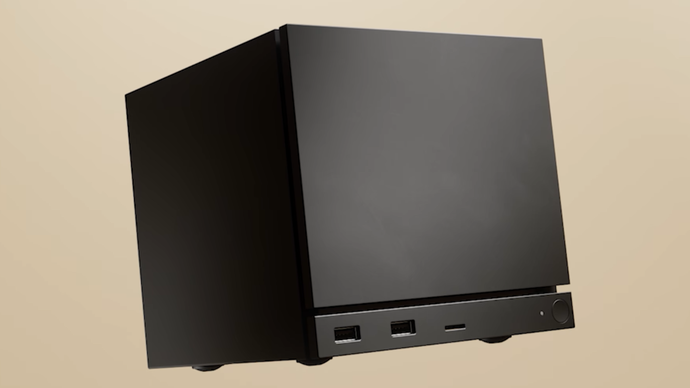

Valve Corporation has officially announced the starting price for its highly anticipated Steam Machine console, a hybrid device that combines PC gaming architecture with a console form factor. The base model, featuring 515 gigabytes of storage and without a controller, will begin at $1,049 USD. The top tier configuration, which includes 2 terabytes of storage and a controller, is priced at $1,428 USD.
The pricing was disclosed yesterday. Valve also acknowledged that the original launch price was no longer viable due to ongoing hardware supply issues affecting the global electronics market. The company had previously indicated a lower price point for the device before these supply constraints emerged.
Market Positioning and Analyst Reaction
Industry analysts have described the Steam Machine as a niche product given its premium pricing. The $1,000 plus entry point positions it well above competing consoles such as Sony’s PlayStation 5 and Microsoft’s Xbox Series X, which typically retail for several hundred dollars less. This price gap, analysts noted, could limit the device’s appeal to a core audience of dedicated PC gamers and Steam ecosystem users who are willing to pay a premium for the flexibility of a custom built PC in a console form factor.
“This is going to be a niche device,” said one analyst, speaking on condition of anonymity to provide unvarnished commentary. The sentiment reflects a broader consensus in the industry that while the Steam Machine offers powerful hardware and seamless integration with the Steam storefront, its cost will prevent it from achieving mainstream adoption.
Hardware and Configuration Details
The Steam Machine is designed to run the Linux based SteamOS operating system. The device allows users to access the extensive library of games available on Steam, Valve’s digital distribution platform. The base model listed at $1,049 lacks a controller, meaning buyers must purchase a controller separately or use existing compatible input devices. The higher tier, priced at $1,428, includes a controller and provides double the storage capacity for game installations.
Valve has not released full technical specifications for each price tier, but the company confirmed that all models are built using off the shelf PC components sourced through partnerships with third party hardware manufacturers. This modular approach is intended to allow users to upgrade components over time, a key differentiator from traditional consoles.
Supply Chain Impact on Pricing
The company stated that the original pricing strategy was revised upward because of hardware supply issues. Global shortages of semiconductors, power supply units, and other critical components have driven up costs for electronics manufacturers across the industry. Valve indicated that these conditions made the earlier, lower price point unsustainable. The final retail prices reflect the current state of the hardware supply chain.
Implications for PC Gaming Ecosystem
Valve’s Steam Machine initiative is part of a broader strategy to expand the PC gaming market into living rooms. The device is intended to compete with consoles by offering a PC gaming experience without requiring users to build or configure a desktop computer. However, the high price point may limit its ability to attract casual gamers or those on a budget. Analysts suggest that the primary audience will remain existing Steam users who have invested heavily in the platform’s library and want a dedicated home console for their PC games.
The release also highlights ongoing tensions in the gaming hardware market between performance, price, and accessibility. While the Steam Machine offers high performance potential, its cost places it outside the typical consumer price range for game consoles.
Outlook and Next Steps
Valve is expected to begin accepting pre orders and shipping units in the coming months. The company has not provided a specific launch date for all regions, but early availability is likely in North America and select European markets. Future pricing adjustments remain possible depending on changes in component costs and supply chain stability. The success of the Steam Machine will likely depend on whether the premium price can attract enough early adopters to establish a viable market for the device.
Source: GamesIndustry.biz