
In a significant shift within the video game development sector, the UK based studio Splash Damage has acquired Gamepires, the Croatian developer behind the survival game SCUM. The transaction sees Gamepires moving from its previous owner, Jagex, the developer of RuneScape. The deal was financially backed by the investment firm Emona Capital.
The acquisition was finalized recently, though the specific financial terms of the agreement have not been publicly disclosed. This move represents a strategic realignment for both the acquiring studio and the parent company divesting the asset.
Background on the Companies Involved
Splash Damage is a British video game developer with a long history in the first person shooter genre. The studio is known for titles such as Wolfenstein: Enemy Territory, Brink, and Dirty Bomb. More recently, the company has expanded its operations to include game publishing and live service development for other studios.
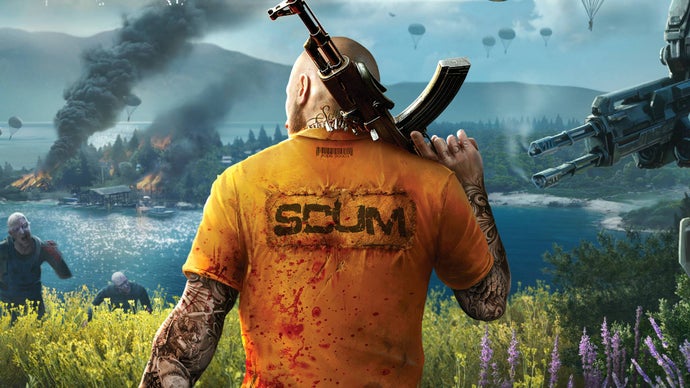
Gamepires, founded in Zagreb, Croatia, gained prominence with the release of SCUM in 2018. The game is an open world survival title known for its detailed mechanics and focus on player versus player combat within a penal colony setting. It has maintained a consistent player base through early access development and subsequent major updates.
Jagex, a Cambridge based company famous for the long running MMORPG RuneScape, had acquired Gamepires in 2021. The purchase was part of Jagex’s strategy at the time to expand its portfolio beyond its flagship franchise.
Strategic Implications of the Deal
Industry analysts view this acquisition as a logical step for Splash Damage to bolster its development capabilities and intellectual property portfolio. Adding a successful live service game like SCUM provides the studio with an established revenue stream and an experienced development team familiar with the survival genre.
For Jagex, the divestiture allows the company to refocus its resources and strategy. A Jagex spokesperson indicated that the sale enables the firm to concentrate on its core RuneScape franchise and related future projects. The decision suggests a strategic pivot back to its foundational properties.
The involvement of Emona Capital, a firm specializing in technology and gaming investments, provided the necessary financial support to facilitate the transaction. Such backing is common in medium to large scale acquisitions within the technology and entertainment sectors.
Official Statements and Future Plans
In an official announcement, Richard Jolly, the CEO of Splash Damage, stated that the studio is excited to welcome the Gamepires team. He emphasized that the acquisition aligns with Splash Damage’s goal of supporting talented developers and growing live service games. The statement confirmed that Gamepires will continue to operate independently from its Zagreb office.
Gamepires leadership expressed optimism about the new partnership. They noted that joining Splash Damage provides access to greater resources and expertise in live operations, which will benefit the ongoing development and expansion of the SCUM universe.
Jagex also released a statement wishing the Gamepires team success under its new ownership. The company affirmed its commitment to the RuneScape community and hinted at upcoming announcements related to its core intellectual property.
Expected Next Steps and Development
Following the completion of the acquisition, the immediate plan is for a smooth transition of operational control. Current players of SCUM should not experience disruption to the game’s servers or development roadmap. The existing Gamepires development team is expected to remain intact, continuing its work on planned content updates and improvements.
Long term, industry observers anticipate that Splash Damage will leverage its experience in multiplayer game design and live service management to support SCUM’s growth. Potential areas for collaboration could include technical infrastructure, community management systems, and possibly expanded multiplayer features. The deal underscores the ongoing consolidation trend in the game industry, where established studios seek to acquire successful independent developers to strengthen their market position and diversify their offerings.
Source: GamesIndustry.biz