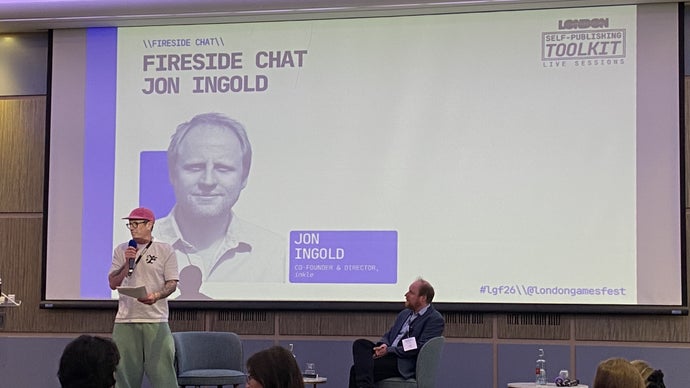

Jon Ingold, co-founder of the independent game studio Inkle, presented a case for self-publishing during a talk at the Self-Publishing Toolkit event, which was held in conjunction with the London Games Festival in April. Ingold outlined the financial and creative reasons why his studio has operated without a publisher for many years, stating that the strategy has been highly successful for the company.
The presentation, titled as part of a broader industry discussion on developer independence, focused on the practical advantages of retaining full control over distribution and revenue. Ingold, whose studio is known for narrative-driven titles such as “Sorcery!” and “80 Days,” argued that the traditional publisher-developer model is not always necessary for success. He emphasized that direct access to platforms and a focus on community engagement can replace the services that publishers historically provided.
Background on Inkle’s Publishing Strategy
Inkle has maintained a self-publishing model since its founding. According to Ingold, this approach allows the studio to keep a larger share of its revenue and make faster decisions regarding game updates and marketing. He noted that the current digital marketplace, including platforms like Steam and the iOS App Store, provides smaller studios with the tools needed to reach a global audience without a middleman.
Ingold also addressed common concerns about self-publishing, including the burden of handling localization, quality assurance, and marketing. He stated that these tasks are manageable for a dedicated team and that the studio has built its own internal systems to handle these processes. He pointed to the company’s track record as evidence that the model is viable.
Reactions and Industry Context
The talk was part of a larger event focused on providing resources for independent developers. The London Games Festival, which runs annually, includes several panels and workshops aimed at supporting emerging talent. Industry observers note that the self-publishing trend has grown significantly over the past decade, driven by the rise of digital distribution platforms that lower entry barriers for developers.
Several other speakers at the event echoed Ingold’s sentiment, discussing the potential pitfalls of signing with a publisher who may not align with a developer’s creative vision. The discussion highlighted a shift in the industry where developers are increasingly seeking autonomy over their intellectual property.
Implications for the Development Sector
Ingold’s comments come at a time when the games industry is experiencing consolidation among major publishers. Many smaller studios are weighing the risks and rewards of self-publishing versus seeking external funding. The Self-Publishing Toolkit event aimed to provide practical advice on navigating this decision, covering topics such as legal considerations, platform submission guidelines, and budgeting for marketing costs.
The presentation did not include specific financial figures for Inkle, but Ingold described the studio’s performance as stable and growing. He attributed this to a loyal user base and consistent sales across multiple platforms.
Looking ahead, Ingold suggested that the trend toward self-publishing will likely continue as more indie developers adopt the model. He recommended that new studios invest time in understanding platform algorithms and building direct relationships with their audience rather than relying on third party marketing support. The next stages of Inkle’s development plans were not disclosed, but the studio is expected to release future titles under its own banner.
Source: GamesIndustry.biz