
Sega Sammy Holdings has publicly addressed a significant financial impairment related to its recent acquisition of Rovio Entertainment, the Finnish developer behind the Angry Birds franchise. The company recorded a non-cash impairment loss of approximately $200 million during its third fiscal quarter, attributing the write-down to challenges in integrating the mobile game studio.
Reliance on Local Management and Technology Hurdles
In an official statement, Sega explained the financial setback. The company acknowledged it had relied too heavily on Rovio’s existing local management following the acquisition. This approach, Sega stated, hindered its ability to fully implement strategic changes and integrate Rovio’s proprietary technology across its own mobile gaming portfolio.
A specific technical challenge involved Rovio’s “Beacon” platform. This technology is designed for live service management and user engagement in mobile games. Sega confirmed it has been unable to successfully deploy this system within its other mobile titles, limiting the anticipated synergies from the $776 million purchase completed in 2023.
Context of the Acquisition and Market Conditions
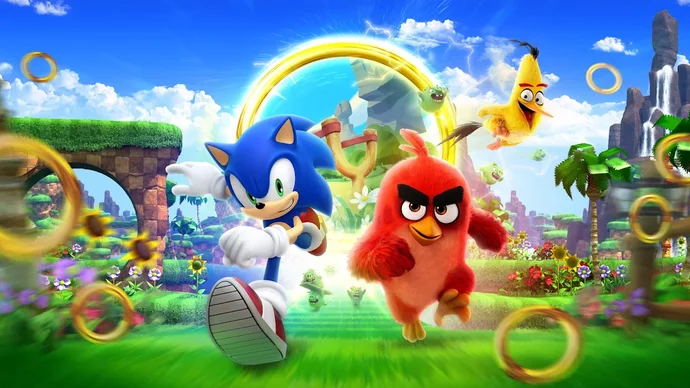
The impairment reflects a reassessment of Rovio’s future earnings potential within the Sega group. When Sega announced the acquisition, it highlighted plans to leverage Rovio’s expertise in live-service mobile gaming to bolster its own position in the global mobile market. The deal was also seen as a way to expand the use of Sega’s iconic characters, like Sonic the Hedgehog, into the mobile sphere.
However, the mobile gaming sector has faced headwinds since the acquisition was finalized. Market saturation, changes in user privacy policies affecting advertising, and intense competition have pressured revenue growth for many companies. The impairment charge suggests Sega has revised its financial projections for Rovio downward in light of these industry-wide conditions.
Financial Impact and Corporate Response
An impairment loss is an accounting measure that reduces the recorded value of an asset on a company’s balance sheet when its market value falls below its book value. This $200 million charge is a non-cash item, meaning it does not directly affect Sega’s operational cash flow. Nevertheless, it represents a substantial downward adjustment to the value of a major strategic purchase made less than a year prior.
Sega’s leadership has indicated that the company is now taking a more hands-on approach to managing Rovio’s integration. The focus is shifting toward achieving the operational and technological synergies that originally justified the high acquisition cost. This likely involves greater direct oversight from Sega’s central management and a renewed push to overcome the technical barriers preventing cross-platform technology sharing.
Looking Ahead for Sega and Rovio
Moving forward, industry analysts will monitor how Sega executes its revised integration strategy for Rovio. The key milestones will be the successful implementation of Rovio’s Beacon technology in Sega’s mobile games and any resulting improvements in user engagement or revenue. Sega is expected to provide further updates on its integration progress during future quarterly earnings reports and investor briefings.
The company has not announced any changes to its broader mobile gaming strategy, which continues to center on growing its presence in the global market. The outcome of this integration effort will be a significant factor in determining whether the Rovio acquisition ultimately delivers the long-term value Sega anticipated.
Source: GamesIndustry.biz