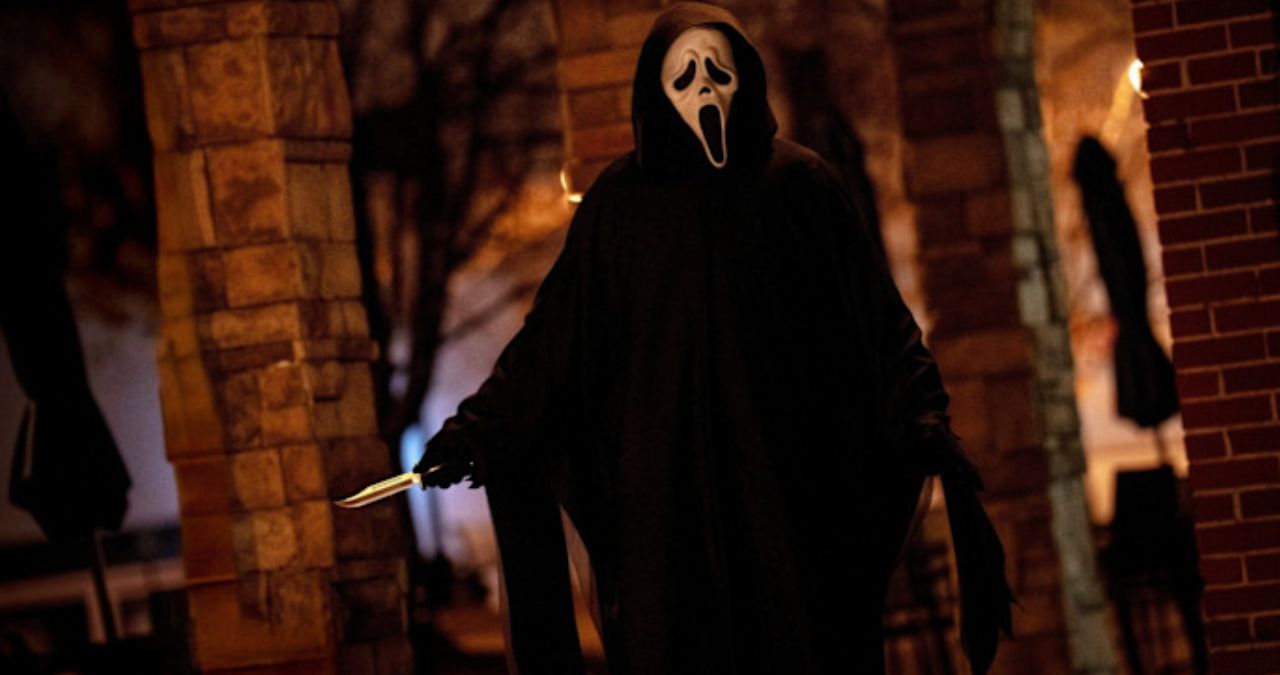

The seventh installment in the long-running “Scream” horror franchise has been released, generating significant discussion among critics and audiences. The film, which sees the return of legacy stars Neve Campbell and Courteney Cox, premiered globally on February 27, 2026. Initial critical reception suggests the movie prioritizes nostalgic elements and character returns over substantive development of its iconic antagonist.
Film’s Core Elements and Critical Reception
Early reviews of “Scream 7” consistently note a central thematic focus. Critics report that the film leverages the return of original cast members Neve Campbell as Sidney Prescott and Courteney Cox as Gale Weathers as its primary narrative driver. This emphasis on legacy characters and franchise nostalgia is described as a defining feature of this latest chapter.
Conversely, analysis of the film indicates the Ghostface killer, the series’ signature antagonist, serves a more functional role. Reviews state the character primarily delivers the franchise’s expected violent and gory set pieces. However, critics note this comes at the expense of deeper narrative weight or significant evolution of the killer’s persona within the story’s context.
Franchise Context and Production Background
The “Scream” franchise, created by Kevin Williamson and Wes Craven, is renowned for its meta-commentary on horror film tropes. The series launched in 1996 and has maintained a consistent fanbase through multiple sequels and a recent revival. The return of Campbell and Cox for this installment was a major point of promotional focus, following Campbell’s absence from the previous film, “Scream VI,” due to a salary dispute.
Production on “Scream 7” faced several public challenges, including directorial changes and casting shifts, which were widely reported in entertainment media. The film’s eventual completion and release were seen as a test of the franchise’s enduring appeal beyond its original creative team.
Audience and Industry Implications
The critical emphasis on nostalgia over antagonist development raises questions about the long-term strategy for legacy horror franchises. Industry observers note a pattern where long-running series increasingly rely on the return of familiar actors to anchor new entries. The commercial performance of “Scream 7” will be closely watched as an indicator of whether this approach sustains audience interest.
Furthermore, the film’s reception touches on broader conversations in film criticism regarding the balance between fan service and narrative innovation. When a franchise reaches its seventh entry, expectations often diverge between audiences seeking comforting familiarity and those desiring fresh stakes.
Future Outlook for the Franchise
Based on available reporting, the future of the “Scream” franchise will likely be determined by the box office performance and streaming viewership metrics of this latest film. While no official announcements have been made regarding an eighth film, the franchise has historically continued following commercially successful outings. The involvement of key cast members in any potential future projects would remain a central point of negotiation and fan speculation. The studio’s analysis of audience data and critical feedback on “Scream 7” will inform any subsequent development decisions for the property.
Source: Mashable