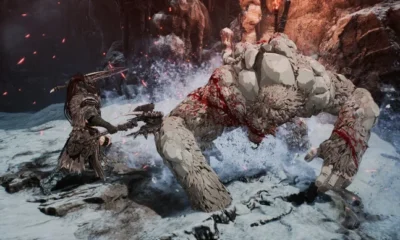

Players in Japan have raised concerns over what they describe as significant censorship of graphic content in the recently released horror title, Resident Evil Requiem. The complaints, which emerged on social media and gaming forums this week, focus on alterations to the game’s most violent scenes, which players argue disrupt the immersive experience central to the franchise. This development highlights the ongoing tension between regional content standards and global game releases.
Nature of the Alterations
The specific changes reported by players involve the reduction or removal of gore and explicit violence during key combat and death animations. In the uncensored versions available in other regions, enemy disintegration and character injuries are depicted with a high level of visceral detail. According to multiple user reports, the Japanese version modifies these effects, often substituting them with less graphic visuals, such as enemies fading to black or dissolving into static-like particles instead of showing detailed mutilation.
This practice is not uncommon for the Japanese market, where the Computer Entertainment Rating Organization (CERO) maintains strict guidelines for violent content in video games. Publishers often make preemptive adjustments to secure a desired age rating, which can affect a game’s marketability and sales. Capcom, the developer and publisher of Resident Evil Requiem, has not yet issued a public statement detailing the reasons for the specific edits in this release.
Player Reaction and Industry Context
The response from the Japanese gaming community has been notably vocal. Many argue that the horror genre’s effectiveness relies on its ability to unsettle and shock, a quality they say is diminished by the alterations. Forum threads and social media posts describe the changes as “immersion-breaking,” contending that they lessen the impact of the game’s narrative and atmospheric tension. Some players have expressed frustration that they are receiving a different product compared to international audiences, despite paying an equivalent price.
Historically, the Resident Evil series has frequently been subject to regional edits. Previous entries have seen variations in blood color, the removal of decapitation animations, and toned-down depictions of zombies across different markets. The debate surrounding Resident Evil Requiem echoes longstanding discussions in the industry about cultural differences in media tolerance and the feasibility of creating a single, global version of a mature-themed game.
Broader Implications for Game Localization
This incident underscores the complex challenges of game localization, which extends beyond simple translation. It involves navigating a patchwork of international content regulations, cultural sensitivities, and platform holder policies. For developers, decisions regarding censorship can have significant repercussions on a title’s critical reception and commercial success in specific regions.
The situation also raises questions about consumer awareness. While regional rating boards provide age classifications, they do not always mandate detailed public disclosures about specific content differences between versions. This can lead to situations where players discover alterations only after purchase, potentially feeling misled.
Looking ahead, the controversy may influence how publishers communicate with their audience regarding regional versions. There is a growing expectation from a segment of the global player base for greater transparency about content modifications. Some companies have begun offering optional “blood and gore” restoration patches in certain regions, a practice that could become more widespread as a compromise solution.
Industry observers will be monitoring for an official response from Capcom regarding the player feedback. The company’s next steps, whether a statement of explanation, a patch to address concerns, or a decision to maintain the current version, will be closely watched. The outcome may set a precedent for how similar conflicts between creative vision, player expectations, and regulatory compliance are handled in future releases within the Japanese market and beyond. Further clarity may emerge during the game’s upcoming sales cycle or in communications from CERO regarding its rating process for this title.
Source: GamesIndustry.biz