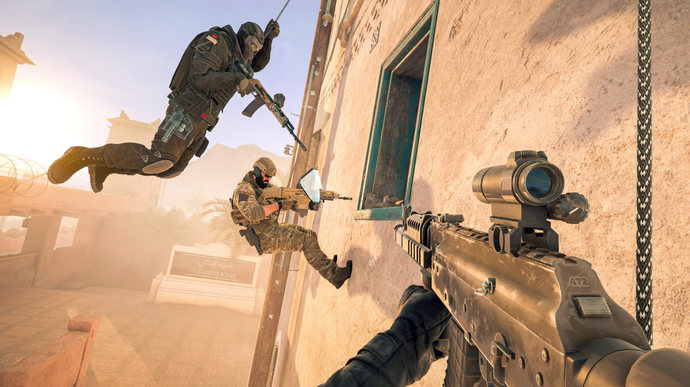

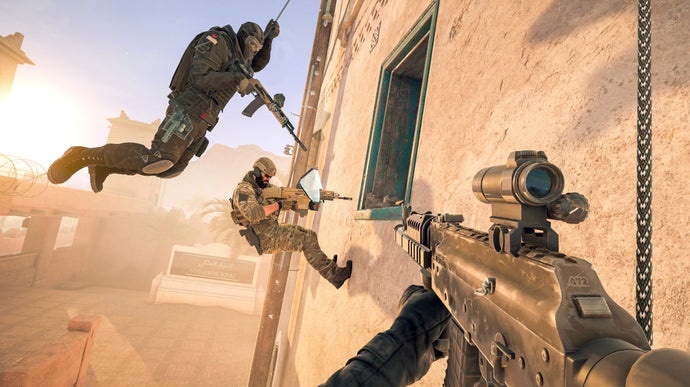
The tactical shooter video game Tom Clancy’s Rainbow Six Siege has surpassed 100 million registered players, publisher Ubisoft announced this week. The milestone arrives nearly ten years after the game’s initial launch in December 2015, marking a sustained period of growth for a title whose initial success was not guaranteed.
Ubisoft’s announcement highlights the game’s evolution from a standard release into a long-term live service project. The player count represents cumulative registrations since launch, not concurrent active users. The company did not disclose specific revenue figures associated with this player milestone.
A Foundation of Continuous Support
The sustained popularity is widely attributed to Ubisoft’s ongoing content and technical support strategy. Since its release, the development team has consistently delivered new playable operators, maps, and seasonal events through a model often described as “games as a service.” This approach has kept the core gameplay experience evolving for its dedicated community.
Technical support and balancing have been equally critical. The developers have maintained a regular schedule of updates aimed at fixing bugs, addressing security vulnerabilities, and reworking older content to modern standards. This commitment to the game’s technical health has been fundamental to retaining its player base over a ten-year period.
Building a Competitive Ecosystem
Parallel to its live service updates, Rainbow Six Siege cultivated a formal competitive esports scene. Ubisoft established the Rainbow Six Siege Pro League and, later, the Siege Global Circuit, providing structured competition and significant prize pools. This professional ecosystem has helped maintain high-level interest and viewership, further cementing the game’s relevance in the multiplayer shooter genre.
The community surrounding the game has also played a vital role. Player feedback has directly influenced numerous gameplay changes and operator reworks. Content creators and streamers on platforms like Twitch and YouTube have consistently provided the game with visibility, introducing it to new audiences long after its initial marketing cycle ended.
Overcoming Initial Challenges
Industry analysts note that Rainbow Six Siege’s path was not without significant early obstacles. At launch, the game faced criticism for a limited number of maps and modes, as well as technical issues common in many online-centric releases. Its pivot to a long-term live service model represented a strategic shift that ultimately defined its decade-long lifespan.
The game’s focus on tactical, team-based destruction and strategy carved out a distinct niche. Unlike faster-paced shooters, Siege emphasized planning, information gathering, and environmental manipulation. This unique identity allowed it to coexist and compete with other major franchises in the crowded first-person shooter market.
The Road Ahead for the Siege Platform
Looking forward, Ubisoft has signaled its intention to continue supporting Rainbow Six Siege. The company has previously referenced the title as a “platform” with plans extending for years to come. Future development will likely follow the established pattern of seasonal content, operator introductions, and ongoing technical maintenance.
The main challenge for the development team will be managing the increasing complexity of a game with over 60 unique operators and a vast map pool. Balancing this expansive roster while keeping the meta-game fresh for both new and veteran players remains a perpetual task. The continued growth of the competitive scene and community engagement will be key indicators of the game’s health as it moves into its second decade.
Source: GamesIndustry.biz