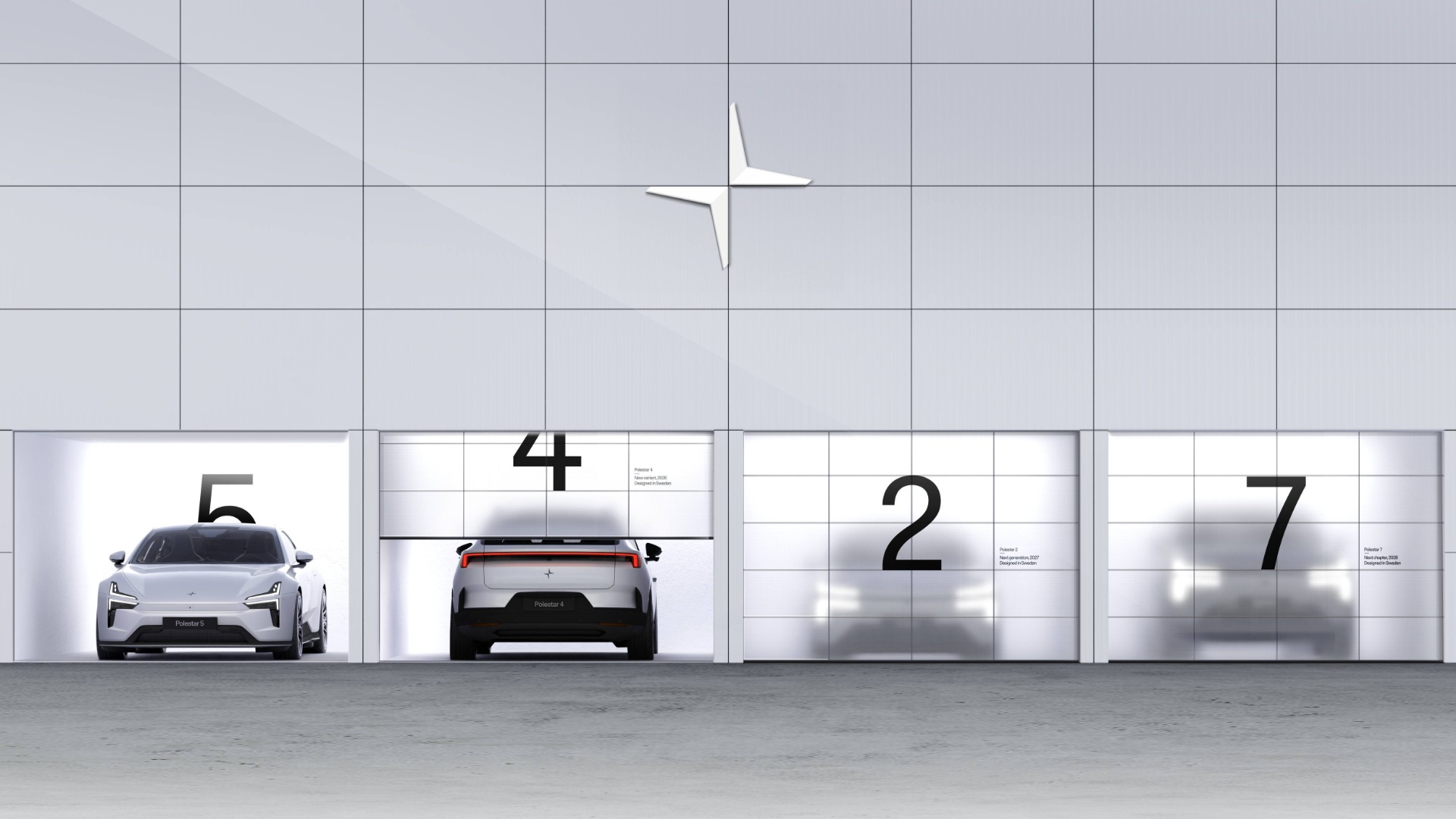

Polestar has announced a significant expansion of its electric vehicle lineup, with plans to launch four new models by the year 2028. The Swedish automaker, known for its performance-oriented electric cars, made the announcement on Wednesday, framing the move as its largest model offensive to date. The new vehicles are scheduled to arrive within the next three years, signaling a rapid acceleration of the company’s product development and market ambitions.
Confirmed and Upcoming Models
The upcoming vehicles include the Polestar 2, Polestar 4, Polestar 5, and Polestar 7, though they will not be released in numerical sequence. The Polestar 5, a high-performance electric four-door GT, is confirmed for a 2026 launch. This model has been previewed in concept form and is expected to feature advanced powertrain technology derived from Polestar’s experimental Precept concept car. Details on the specific release timelines and technical specifications for the Polestar 4 and Polestar 7 remain under wraps, but their announcement solidifies the brand’s commitment to a broader product portfolio.
This expansion comes as the global automotive industry intensifies its shift toward electrification. Polestar, which operates as a standalone brand jointly owned by Volvo Cars and Geely Holding, is positioning itself to compete more aggressively in key segments of the premium electric vehicle market. The strategy involves filling gaps in its lineup and offering consumers a wider range of choices, from sport sedans to potentially new categories like SUVs or crossovers.
Strategic Context and Market Position
The announcement is part of Polestar’s broader strategic plan to increase annual sales to approximately 290,000 vehicles by 2025. Introducing new models is critical to achieving this volume target. The company currently sells the Polestar 2 fastback and the Polestar 3 SUV, with the latter representing its first foray into the popular and highly competitive electric SUV segment. The four newly announced models will build upon this foundation, aiming to capture market share in a sector crowded with established automakers and new entrants.
Industry analysts note that such rapid model rollouts are becoming necessary for electric vehicle brands to maintain consumer interest and technological relevance. The pace of innovation in battery efficiency, charging infrastructure, and software-defined features requires continuous product updates and introductions. Polestar’s plan indicates a structured approach to its growth phase, moving beyond its initial niche as a maker of low-volume performance cars.
Technology and Development Focus
While full specifications were not disclosed, Polestar has consistently emphasized a core philosophy combining performance, design, and sustainability. The new models are expected to continue this focus, likely incorporating next-generation electric powertrains, advanced driver-assistance systems, and interior materials with a reduced environmental footprint. The company’s development process often involves leveraging the technological and manufacturing resources of its parent companies, Volvo and Geely, to streamline production and ensure quality.
The success of this product offensive will depend on several factors, including precise market positioning, competitive pricing, and the ongoing global expansion of Polestar’s retail and service network. The brand has been working to establish a direct-to-consumer sales model in various markets, which could provide a streamlined customer experience distinct from traditional dealership networks.
Future Outlook and Industry Impact
Looking ahead, the planned launches between now and 2028 will be closely watched as indicators of Polestar’s execution capability and market reception. The company is expected to release more detailed information, including pricing, range estimates, and exact launch dates for each model, in the coming months and years. The evolution of its lineup will also test consumer appetite for a premium electric brand that sits between mainstream offerings and ultra-luxury marques in the automotive hierarchy.
The broader implication of Polestar’s announcement is a further confirmation of the automotive industry’s irreversible pivot to electrification. As more manufacturers commit to expansive electric vehicle portfolios, competition will intensify, potentially leading to faster technological advancements, more choices for consumers, and increased pressure on charging infrastructure development worldwide. Polestar’s next steps will involve turning these announced plans into production-ready vehicles that meet the expectations of a discerning and increasingly knowledgeable electric vehicle buyer.
Source: Mashable