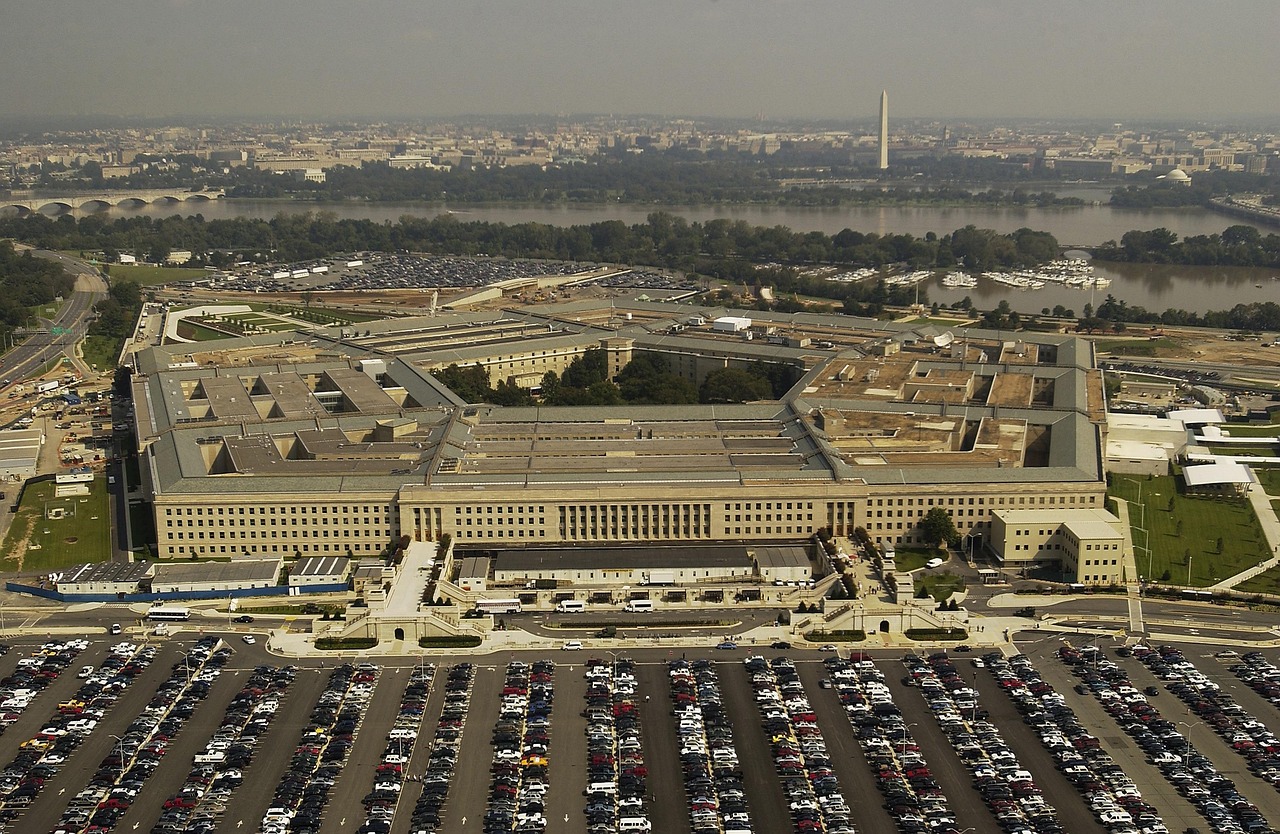

The United States Department of Defense has formally designated <a href="https://delimiter.online/blog/anthropic-Pentagon-contract/” title=”Artificial Intelligence”>Artificial Intelligence company Anthropic as a supply-chain risk. This action follows a breakdown in negotiations between the Pentagon and the AI firm over the terms of a potential $200 million contract. The central point of contention was the level of control the U.S. military would have over Anthropic’s AI models, specifically concerning their potential application in autonomous weapon systems and large-scale domestic surveillance programs.
With the agreement collapsing, the Defense Department shifted its focus to OpenAI, Anthropic’s primary competitor. OpenAI accepted the contract. Subsequently, the company observed a significant surge in user removals of its ChatGPT application, with uninstalls reportedly increasing by 295%.
Background of the Disagreement
The failed negotiations highlight the growing ethical and operational tensions between leading AI developers and government agencies. Anthropic, which has publicly emphasized a commitment to developing safe and controllable AI, apparently could not reconcile its principles with the Pentagon’s requirements for the technology’s use. The specific contractual demands related to military control over AI decision-making processes proved to be an insurmountable obstacle.
In contrast, OpenAI’s acceptance of the Department of Defense contract marks a notable pivot. The company had previously maintained a policy restricting the use of its AI for military purposes. Its decision to engage with the Pentagon signals a strategic shift, aligning itself with U.S. national security interests despite potential user backlash.
Immediate Repercussions and Industry Context
The immediate consequence for OpenAI was a sharp, quantifiable reaction from a segment of its user base. The 295% spike in ChatGPT uninstalls is directly attributed by industry observers to the announcement of the military contract. This public response underscores the sensitive nature of AI ethics and the commercial risks companies face when partnering with defense organizations.
Meanwhile, the Pentagon’s “supply-chain risk” designation for Anthropic carries significant practical implications. It effectively bars the company from certain sensitive defense projects and complicates any future procurement processes. This label is typically applied to vendors deemed to pose a threat to the integrity or security of U.S. military supply chains.
Broader Implications for AI Governance
This series of events raises fundamental questions about the future governance of advanced artificial intelligence. As AI models become more powerful, the debate intensifies over who should control them and for what purposes. The standoff between Anthropic and the Pentagon exemplifies the clash between corporate ethical guardrails and state-level strategic imperatives.
The situation also demonstrates the competitive dynamics within the AI industry. The Pentagon’s swift turn to OpenAI after talks with Anthropic failed illustrates how government contracts can rapidly alter market positions. This competition for high-stakes partnerships is likely to influence the direction of AI research and development priorities among leading firms.
Looking ahead, the Defense Department is expected to continue its pursuit of advanced AI capabilities. Official timelines suggest further contract awards and technology evaluations throughout the fiscal year. Observers anticipate that other AI companies will face similar scrutiny regarding their operational policies and willingness to accommodate military specifications. The evolving relationship between the tech sector and national defense agencies will remain a critical area of development, with potential for further realignments and public debate.
Source: GeekWire