
Pearl Abyss, the South Korean game developer behind the Black Desert franchise, reported a decline in its second quarter financial results, attributing the downturn to the waning commercial impact of its highly anticipated action-adventure title, Crimson Desert. The game, which launched globally in March, provided an initial revenue surge that has since subsided, according to the company’s latest earnings statement released this week.
The company’s consolidated revenue for the second quarter of 2025 fell by a notable margin compared to the previous quarter. This decline signals a return to normalized earnings levels after a period of exceptional performance driven by the debut of Crimson Desert, a project that has been in development for several years and represents a major strategic release for the publisher.
Quarterly Performance Overview
Financial disclosures indicate that Pearl Abyss saw a sequential drop in both revenue and operating profit for the period ending June 30. While the company did not provide specific breakdowns in the initial summary, the report emphasizes that the “launch period impact” of Crimson Desert, which generated massive initial sales and concurrent user spikes, has now concluded.
This cooling effect was largely expected by industry analysts, who monitor the cyclical nature of major game releases. The initial hype cycle, characterized by pre-orders, day-one purchases, and a peak in player engagement, often inflates quarterly results before stabilizing in subsequent months.
Crimson Desert’s Commercial Trajectory
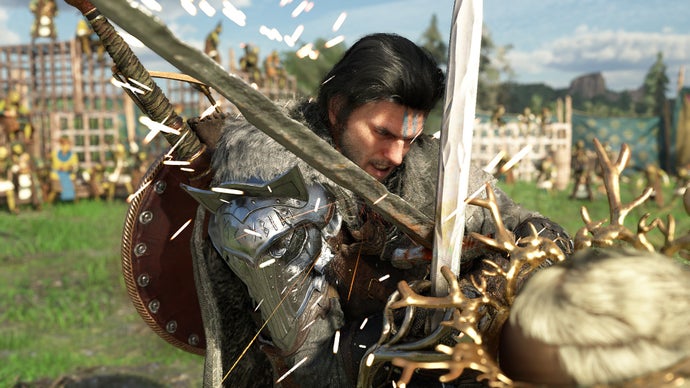
Crimson Desert, developed by Pearl Abyss’s in-house studio using the proprietary BlackSpace Engine, was released to strong commercial success earlier this year. The title, which blends open-world exploration with high-fidelity combat, was positioned as a flagship next-generation console and PC experience. Despite the positive reception and robust launch numbers, the transition from the “launch window” to the “live operations” phase has resulted in a natural contraction of revenue streams.
This pattern is typical for premium, one-time-purchase titles in contrast to the ongoing monetization models seen in free-to-play games like the company’s own Black Desert Online. The second quarter results reflect the absence of that initial sales velocity, with the company now relying on sustained daily active users and continued sales at a reduced rate.
Market Reaction and Context
Investor sentiment regarding the earnings report appears cautious, as the shares had previously priced in a stronger continued performance from the franchise. The developer has confirmed that post-launch support for Crimson Desert remains a priority, with seasonal updates and quality-of-life improvements slated for release. However, these updates are expected to engage the existing player base rather than generate the massive revenue influx seen during the launch phase.
Comparatively, the company’s other segments, including the stable Black Desert IP across PC, mobile, and console, reported steady results without significant fluctuation. This stability provides a baseline, but the absence of the Crimson Desert boost has exposed the company’s reliance on new intellectual property for substantial growth spikes.
Forward Looking Expectations
Looking ahead, Pearl Abyss management has indicated that the financial focus will shift toward operational efficiency and the expansion of Crimson Desert into additional regions, including a broader push in the Asian market. The company is also reportedly proceeding with the development of its next projects, though no official timeline has been provided for a sequel or downloadable expansion content that might reset the revenue trajectory.
Analysts suggest that the publisher’s performance in the second half of the year will depend heavily on the execution of its live-service roadmap for Crimson Desert and the monetization of future cosmetic or narrative content. While the launch period impact has faded, the long-term viability of the title remains dependent on the developer’s ability to retain its audience in a competitive marketplace.
Source: GamesIndustry.biz