
An international law enforcement operation targeting online financial scams across Africa has resulted in 651 arrests and the recovery of over $4.3 million. The initiative, led by INTERPOL and involving authorities from 16 African nations, focused on dismantling the infrastructure and networks behind high-yield investment fraud and other cyber-enabled crimes.
According to INTERPOL, Operation Red Card 2.0 was conducted between December 8, 2025, and January 30, 2026. The coordinated crackdown represents a significant escalation in the regional fight against organized cybercrime, which has seen a sharp increase in sophistication and scale in recent years.
Scope and Scale of the Operation
The operation’s success was built on intelligence sharing and joint action across national borders. Police forces conducted simultaneous raids and investigations targeting fraudsters, money launderers, and the technical support systems that enable large-scale scams. The recovered funds, totaling more than $4.3 million, are believed to be proceeds from various fraudulent schemes that targeted victims globally.
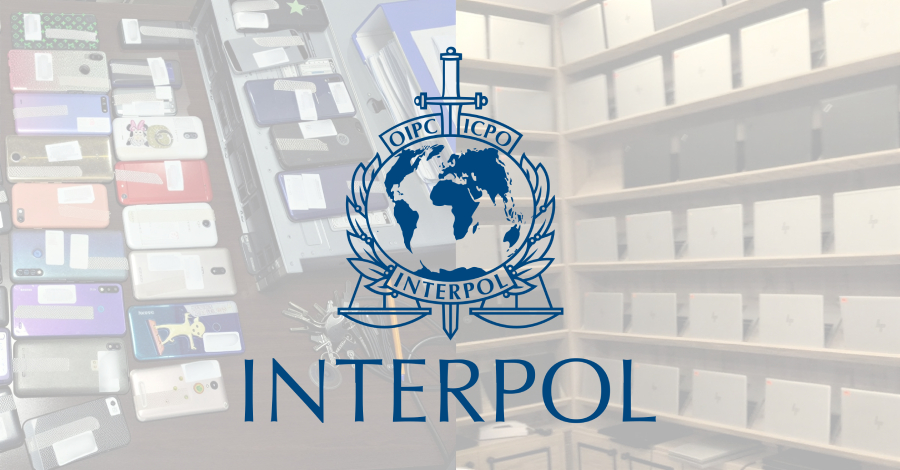
Beyond the arrests and asset recovery, authorities seized substantial quantities of electronic evidence. This included computers, mobile phones, and SIM cards, which are now being analyzed to uncover the full extent of the criminal networks and identify additional suspects and victims.
Targeting High-Yield Investment Fraud
A primary focus of the operation was so-called “high-yield investment” scams. These schemes typically promise victims exceptionally high returns with little to no risk, often through fake cryptocurrency trading platforms, forex schemes, or bogus stock portfolios. Criminals use sophisticated social engineering tactics and professional-looking websites to appear legitimate, luring individuals into transferring funds that are then impossible to recover.
By targeting the infrastructure, including fraudulent websites and communication channels, Operation Red Card 2.0 aimed to disrupt these schemes at their source. The arrests included individuals alleged to be key organizers, financiers, and low-level operatives responsible for running call centers and managing illicit financial flows.
International Cooperation and Regional Impact
The participation of law enforcement from 16 African countries underscores the transnational nature of modern cybercrime. INTERPOL facilitated the exchange of critical data and coordinated the operational phases, allowing national police units to act on information that extended beyond their jurisdictions. This model of cooperation is considered essential for tackling criminal groups that operate across multiple countries to evade capture.
For the African region, the operation signals a strengthened commitment to cybersecurity and financial integrity. The collaborative effort demonstrates an increased capacity to conduct complex, multi-jurisdictional investigations that target cybercriminal enterprises which harm both local and international economies.
Next Steps and Ongoing Investigations
Following the conclusion of the operational phase, forensic examination of seized devices and data is ongoing. INTERPOL has indicated that this digital evidence is expected to generate further leads for new investigations, potentially leading to more arrests in the coming months.
Authorities also emphasize the importance of victim identification and support. Efforts are underway to trace the flow of recovered funds with the goal of returning money to defrauded individuals where possible. INTERPOL and its member countries are expected to continue this heightened level of coordination, with future operations likely as part of a sustained strategy to combat cyber-enabled financial crime on the continent.
Source: INTERPOL