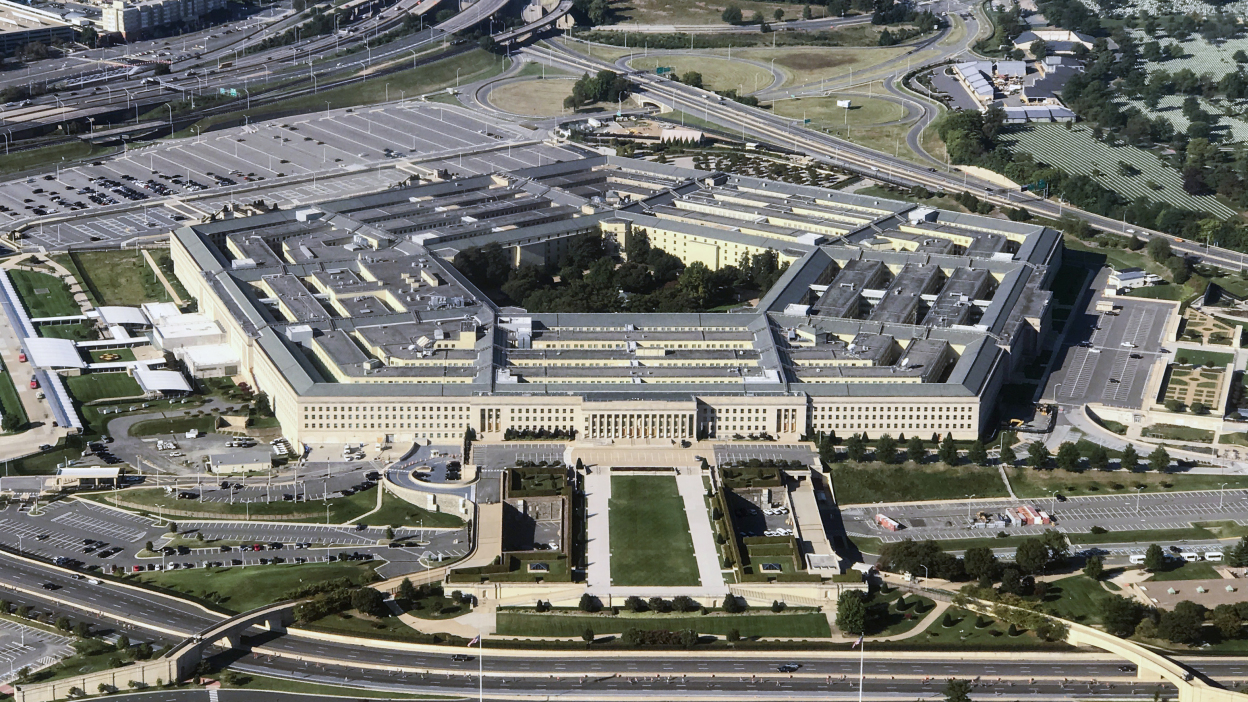

The Artificial Intelligence company OpenAI has entered into a partnership with the United States Department of Defense, marking a significant shift in its previous policy against military applications. Concurrently, former President Donald Trump has issued an executive order prohibiting federal agencies from using AI models developed by Anthropic, a leading OpenAI competitor. These developments, occurring within a short timeframe, signal a rapid realignment within the AI sector regarding government and defense contracts.
OpenAI confirmed the new agreement with the Pentagon, specifically with the Defense Innovation Unit (DIU). The DIU focuses on accelerating the adoption of commercial technology within the U.S. military. According to company statements, the collaboration will initially center on open-source cybersecurity capabilities, such as tools to help identify and remediate vulnerabilities in critical software.
Policy Reversal and Safeguards
This move represents a notable reversal for OpenAI, which had previously banned the use of its technology for “military and warfare” purposes in its usage policies. Company CEO Sam Altman addressed this change, stating that the agreement includes specific safeguards on AI use. Altman emphasized that the work is focused on defensive cybersecurity and veteran healthcare applications, areas the company now views as consistent with its mission.
“We have been working with the Defense Innovation Unit on several projects,” Altman stated. “We believe that AI tools can assist in saving lives through these defensive applications, which aligns with our principles.” The company has not disclosed the full financial terms or the exact duration of the partnership.
Anthropic Faces Federal Ban
In a separate but related development, an executive order from former President Donald Trump has barred federal agencies from utilizing AI models developed by Anthropic. The order cites national security concerns, though specific technical details behind the ban have not been made public. Anthropic, known for its constitutional AI approach and its Claude language model, is a significant player in the generative AI field and has previously engaged in discussions with various government entities.
The order directs agencies to halt any ongoing projects involving Anthropic’s technology and to conduct security reviews of AI systems currently in use. This action creates an immediate market gap for secure, enterprise-grade AI solutions within the federal government, a gap that other providers, including OpenAI, may now seek to fill.
Industry and Expert Reactions
The twin announcements have prompted varied reactions from industry observers and policy experts. Some analysts view OpenAI’s Pentagon deal as an inevitable step for a leading AI firm seeking large-scale, impactful deployments. Others within the tech community have expressed concern about the ethical implications of powerful AI models being integrated into military infrastructure, even for defensive purposes.
The ban on Anthropic has raised questions about the criteria used for such prohibitions and the potential for market fragmentation. Experts note that clear, standardized government frameworks for evaluating and procuring AI technology remain underdeveloped, leading to ad-hoc decisions.
Broader Implications for AI Governance
These events underscore the increasing entanglement of cutting-edge AI development with national security strategy. Governments worldwide are grappling with how to harness the benefits of AI for defense and public administration while managing risks related to safety, bias, and geopolitical competition.
The U.S. Department of Defense has increasingly prioritized the integration of AI and machine learning across its operations, from logistics and intelligence analysis to cybersecurity. Partnerships with commercial AI labs provide access to rapidly advancing technology that may not be developed in-house.
Looking ahead, the focus will likely shift to the implementation and oversight of these new agreements. Observers expect congressional committees to scrutinize the OpenAI-DIU partnership details. Furthermore, the legal and operational fallout from the federal ban on Anthropic’s models will unfold in the coming months, potentially influencing procurement policies for all AI vendors seeking government work. The evolving landscape suggests a period of consolidation and clearer delineation of roles for major AI companies in the public sector.
Source: Based on official statements and executive order documentation.