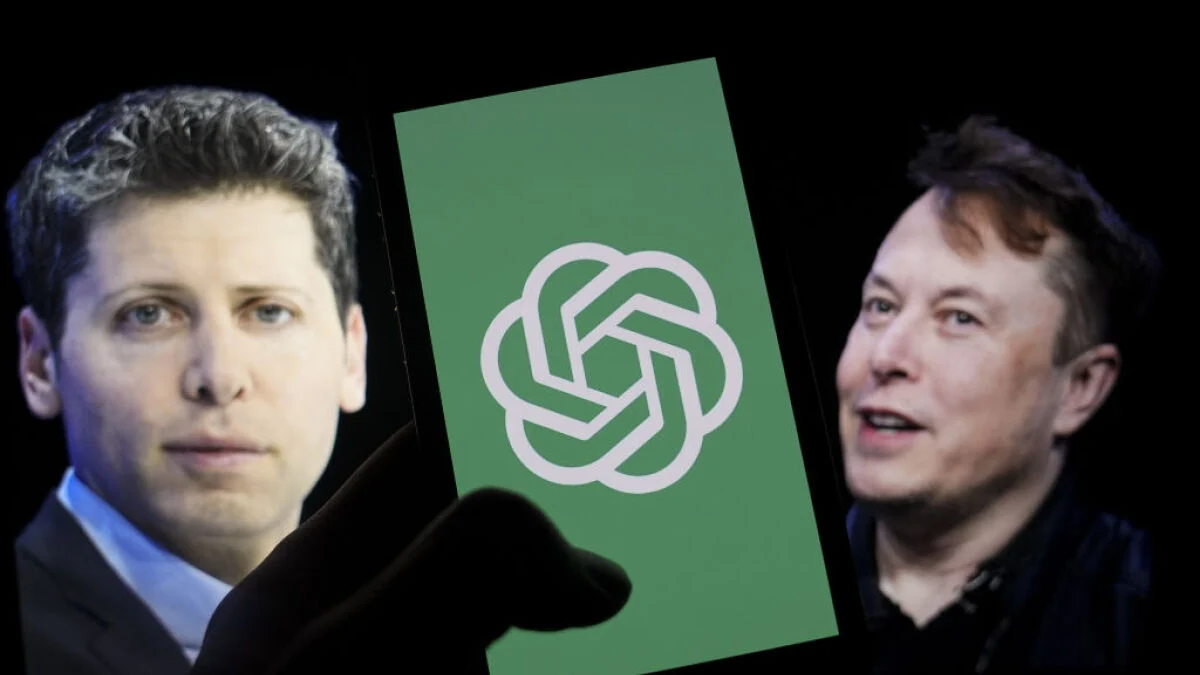

OpenAI has formally requested that state attorneys general in the United States examine what it describes as Elon Musk‘s “anti-competitive behavior” in the lead-up to a high-stakes legal trial. The request was made in recent legal filings, according to court documents reviewed by news outlets. This development comes as Musk pursues a lawsuit against the artificial intelligence research company, seeking damages that could exceed $100 billion.
Background of the Legal Dispute
The conflict stems from a lawsuit filed by Elon Musk against OpenAI and its key executives, including CEO Sam Altman, earlier this year. Musk, a co-founder of OpenAI who left the organization in 2018, alleges the company breached its original founding agreement as a non-profit dedicated to developing artificial intelligence for the benefit of humanity. He contends that OpenAI’s partnership with Microsoft and its shift toward a more commercial, for-profit model violates its core mission.
In his complaint, Musk argues that OpenAI’s technology, particularly its advanced GPT models, has become a “de facto Microsoft subsidiary” and is being developed behind closed doors for proprietary gain. The lawsuit seeks an injunction to force OpenAI to make its research and technology public, and to potentially recover substantial financial damages.
OpenAI’s Counter-Allegations
OpenAI’s recent filing represents a significant escalation in its legal defense. The company is urging state legal authorities to scrutinize Musk’s actions in the period before the trial begins. While the specific details of the alleged “anti-competitive behavior” are outlined in sealed documents, the public filing indicates OpenAI believes Musk’s conduct may warrant official investigation.
In previous court responses, OpenAI has strongly denied Musk’s allegations. The organization has stated that it remains committed to its mission of ensuring artificial general intelligence benefits all of humanity. It has also argued that its structure, which includes a capped-profit arm, is necessary to raise the enormous capital required for AI research while still being governed by its original non-profit’s mission.
Financial Stakes and Industry Impact
The scale of the damages sought by Musk, reported to be over $100 billion, underscores the monumental financial and philosophical stakes of the case. The outcome could have profound implications for the governance and operational models of leading AI research organizations worldwide. It also highlights the intense competition and complex relationships between major tech figures in the rapidly evolving AI sector.
The legal battle is being closely watched by industry analysts, ethicists, and policymakers. It raises fundamental questions about the control of powerful AI systems, the role of profit in cutting-edge research, and the enforcement of founding principles as organizations scale.
Next Steps in the Proceedings
The court is expected to rule on various pre-trial motions in the coming months. A key focus will be whether the case proceeds to trial or is resolved through other legal mechanisms. The involvement of state attorneys general, should they choose to act on OpenAI’s request, could introduce a separate regulatory dimension to the dispute. The trial, if it moves forward, is tentatively scheduled for later this year, setting the stage for one of the most significant legal confrontations in the history of the technology industry.
Source: Multiple court filings and news reports