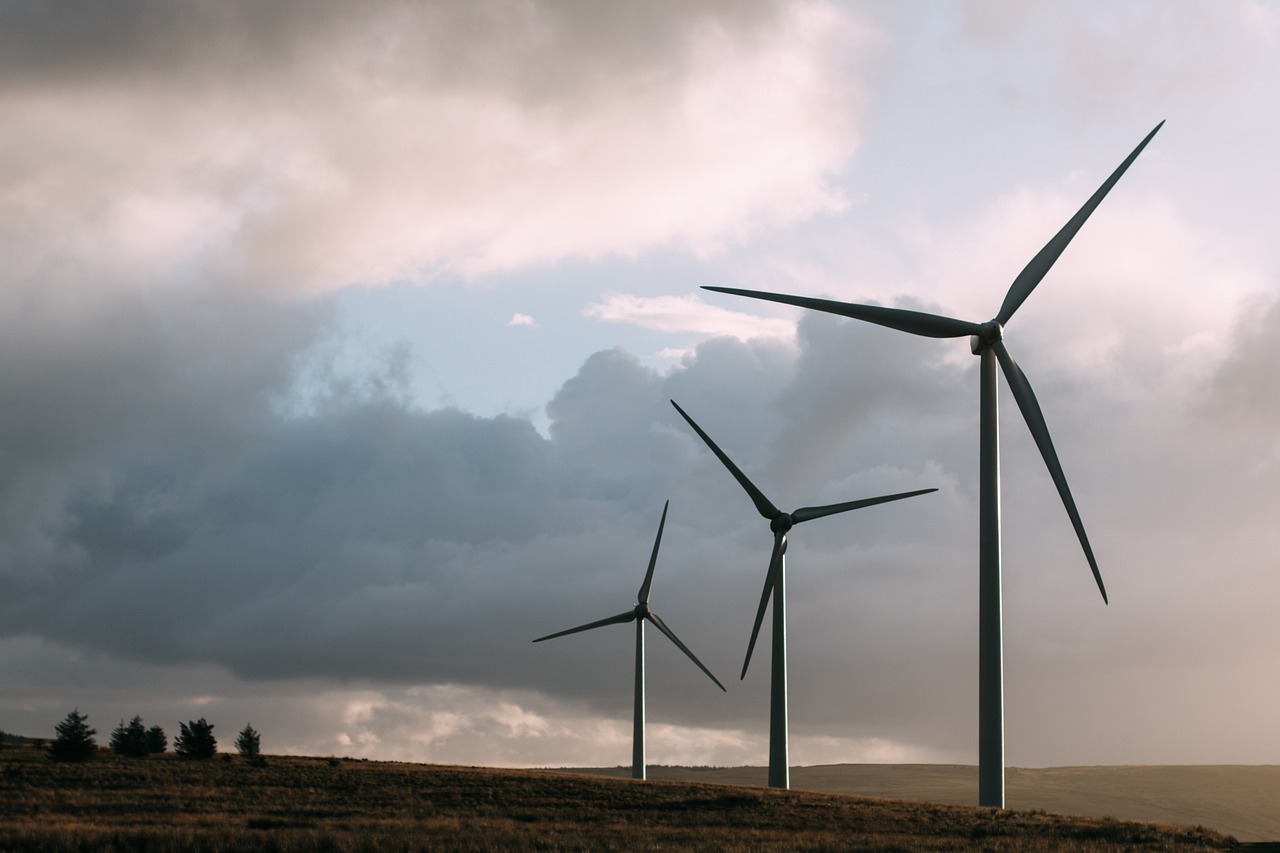

A floating offshore wind turbine is set to host a small, subsea data center in a pilot project scheduled for deployment later this year. The initiative is being led by the offshore wind developer Aikido, marking a novel convergence of renewable energy and digital infrastructure.
Project Details and Rationale
The core of the project involves installing a modular data center unit directly beneath a floating wind turbine at sea. This approach aims to directly power computing operations with renewable energy generated on-site. Proponents of the concept suggest that placing data centers at sea could address several industry challenges.
These potential benefits include reducing the demand for land-based electricity grids, utilizing the surrounding seawater for natural cooling of the computer servers, and locating infrastructure closer to coastal population centers that generate large amounts of data. The pilot will test the technical and economic feasibility of this integrated model.
Industry Context and Challenges
The data center industry faces increasing scrutiny over its substantial energy consumption and environmental footprint. As demand for cloud computing, artificial intelligence, and digital services grows, so does the need for more computing power. This pilot project represents one of several experimental approaches seeking to create more sustainable and efficient infrastructure.
Other concepts that have been explored include placing data centers in former mines, underwater on the seafloor, and even in space. Each concept presents unique engineering hurdles, from hardware corrosion and maintenance access in marine environments to the extreme cost and latency of data transmission from orbit.
Technical and Logistical Considerations
Operating sensitive electronic equipment in a harsh offshore environment presents significant technical challenges. Engineers must design systems that can withstand constant motion, saltwater corrosion, high pressure, and biofouling from marine organisms. Reliable, high-bandwidth data transmission cables will be required to connect the offshore facility to the terrestrial internet backbone.
Furthermore, any maintenance or hardware upgrades would require specialized marine operations, which are more complex and costly than accessing a traditional land-based facility. The pilot project by Aikido is expected to provide crucial data on these operational realities.
Forward-Looking Developments
The successful deployment and operation of this pilot will be closely monitored by both the energy and technology sectors. If proven viable, the model could lead to further, larger-scale projects where clusters of floating wind turbines are paired with substantial data processing capacity.
Official timelines indicate that the subsea data center module will be installed and begin its operational testing phase before the end of the current calendar year. The results of this pilot are expected to inform future investment and development decisions regarding co-located renewable energy and computing infrastructure.
Source: GeekWire