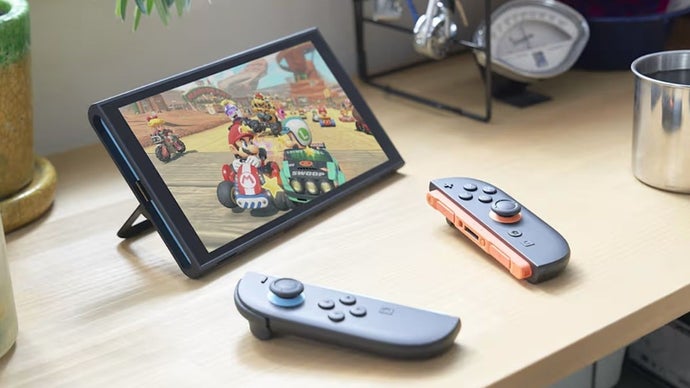

Nintendo is reportedly planning to release a revised version of its upcoming Switch 2 console specifically for the European Union market, a model designed to allow consumers to more easily replace its battery. This development, based on industry reports, addresses evolving regulatory expectations for consumer electronics regarding repairability and sustainability.
Addressing Regulatory and Consumer Trends
The reported move appears to align with broader regulatory pressures within the EU, which has been actively promoting the “right to repair” for electronic devices. Legislation aimed at making batteries in consumer electronics more accessible and replaceable is a key part of this initiative, intended to extend product lifespans and reduce electronic waste. By proactively designing a version of its next-generation console with this feature, Nintendo would be positioning itself to comply with these anticipated standards from the launch of the device in the region.
For consumers, a more easily replaceable battery could significantly enhance the long-term usability of the console. Over time, all rechargeable batteries lose their capacity to hold a charge, which can diminish a portable device’s functionality. A user-replaceable battery would allow owners to simply install a new one, thereby restoring the console’s portable playtime without needing to send the entire unit in for professional service or resorting to complex, self-guided repairs.
Implications for Product Design and Market Strategy
This strategy suggests Nintendo may be preparing different hardware configurations for different global markets, a nuanced approach to product design. The core functionality and performance of the Switch 2 are expected to remain consistent worldwide. However, the physical design of the battery compartment and the internal layout of components in the EU model would need modification to facilitate easier access for end-users.
Such a design change could influence the console’s form factor, potentially making it slightly thicker or altering its internal architecture. It also raises questions about part availability, as Nintendo or authorized partners would need to supply official replacement batteries to the market. The company would also need to provide clear instructions to ensure safe replacement procedures are followed by consumers.
Industry observers note that this move could set a precedent for other portable electronics manufacturers, particularly in the gaming sector. If a major player like Nintendo adopts a more repair-friendly design in response to EU regulations, it may encourage similar designs globally or prompt other regions to consider enacting comparable legislation.
Official Status and Market Context
As of now, Nintendo has not made any official announcement regarding the specifications, design, or release date for the successor to the popular Switch console. The company typically maintains strict secrecy around its upcoming hardware until a formal reveal. The reports of a revised EU model originate from industry sources cited in trade publications; these details remain unconfirmed by the platform holder itself.
The original Nintendo Switch, launched in 2017, features a sealed internal battery that is not intended for replacement by the user. Replacing it requires specialized tools and technical knowledge, a common design in modern smartphones and tablets. The potential shift with a Switch 2 model represents a notable departure from this industry norm for portable gaming devices.
Next Steps and Expected Developments
The technology and gaming communities await an official hardware announcement from Nintendo, which is widely anticipated to occur within the current fiscal year. Following such an announcement, further technical specifications and regional variant details would be clarified. Market analysts will be watching to see if the replaceable battery feature is confirmed and whether it remains exclusive to the EU or influences the design of the console sold in other territories like North America and Asia. The final implementation and ease of the replacement process will be key details assessed upon the product’s official unveiling.
Source: GamesIndustry.biz