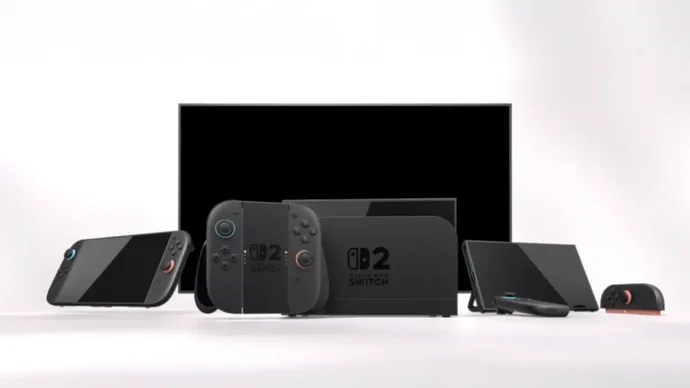

Nintendo is reportedly scaling back its initial production plans for the upcoming Switch 2 console following weaker-than-expected holiday sales of its current hardware, particularly in the United States. This adjustment, based on recent market performance, indicates a strategic response to current retail demand as the company prepares for a next-generation launch.
Market Performance Influences Production Plans
According to industry reports, the decision to adjust production volumes stems from an analysis of sales data from the recent holiday shopping season. While Nintendo has not released an official statement on specific production numbers, sources indicate that performance in the key U.S. market did not meet internal expectations. This has led to a recalibration of manufacturing orders for the successor to the popular Switch console.
The current Nintendo Switch, now in its seventh year on the market, has seen record-breaking sales throughout its lifecycle. However, as with any long-running hardware platform, sales naturally slow as the product cycle matures and consumers anticipate new technology. This typical market pattern is a key factor considered in planning for a new console’s launch inventory.
Strategic Considerations for a New Launch
Managing the transition from one console generation to the next is a complex logistical and financial undertaking for any hardware manufacturer. Producing too many units of a new console can lead to excess inventory and potential price reductions, while producing too few can result in missed sales opportunities and consumer frustration due to shortages.
By adjusting production plans based on recent market signals, Nintendo aims to align its supply with projected consumer demand. This approach seeks to mitigate financial risk and ensure a stable market introduction for the new system. The company has a history of carefully managing hardware transitions, as seen with the launches of the Wii U and the original Switch.
Industry Context and Consumer Expectations
The video game industry is currently in a period of transition, with new hardware from major players widely anticipated. In this environment, consumer spending can become more cautious as buyers save their money for announced or rumored next-generation systems. This “wait-and-see” attitude can temporarily depress sales of current-generation hardware, even from market leaders.
Furthermore, the global economic landscape, including factors like inflation and shifting discretionary spending, continues to influence consumer electronics purchases. Companies must navigate these broader economic conditions when making large-scale manufacturing commitments.
Looking Ahead
Industry analysts will be watching for an official announcement from Nintendo regarding the Switch 2’s specifications, release date, and price. The company typically unveils such details closer to the launch window to maintain market excitement and strategic advantage. The adjusted production plan suggests Nintendo is taking a measured, data-driven approach to its next major product launch, prioritizing market stability over initial shipment volume. Official confirmation and further details are expected in a future Nintendo financial briefing or dedicated presentation.
Source: GamesIndustry.biz