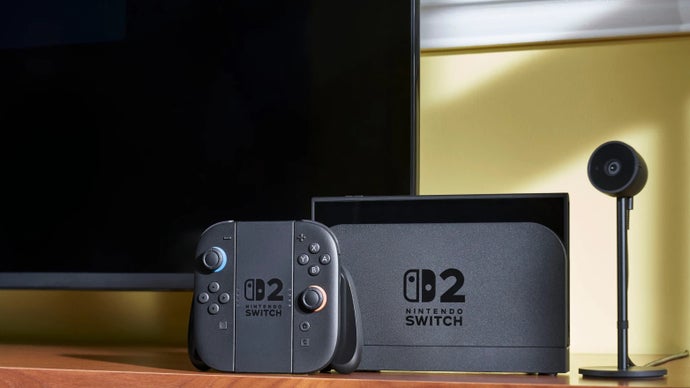

Nintendo is actively working to secure stable supplies of key memory components, a strategic move aimed at preventing potential price increases for its hardware, including the popular Switch console. The company’s initiative comes in direct response to rising costs within the global semiconductor and memory sector, a challenge impacting numerous technology manufacturers. By locking in its supply chain for these essential parts, Nintendo seeks to maintain its current pricing structure and avoid passing additional costs on to consumers.
The Global Memory Market Context
The decision is set against a backdrop of volatility in the memory chip market. Prices for NAND flash memory, which is used for storage in devices like the Switch, and DRAM, used for system memory, have been subject to significant fluctuations. These fluctuations are driven by complex factors including shifts in supply and demand, production capacity adjustments by major manufacturers, and broader geopolitical tensions affecting trade. For a hardware-centric company like Nintendo, such instability represents a direct threat to production costs and profit margins.
Nintendo’s reliance on these components is substantial. Every Switch unit requires both NAND flash for its internal storage and game cartridges, as well as DRAM for its operational memory. A sustained price increase for these commodities could force a difficult choice between absorbing the cost, which would hurt profitability, or raising the retail price of its hardware, which could dampen consumer demand in a competitive market.
Strategic Supply Chain Management
The company’s approach focuses on proactive supply chain management. Rather than purchasing components on the spot market where prices are most volatile, Nintendo is negotiating long-term supply agreements with its partners. These agreements are designed to guarantee a consistent volume of memory components at a predetermined, stable price over an extended period. This practice, often called “supply securing” or “strategic sourcing,” is a common risk mitigation tactic in electronics manufacturing.
This move underscores Nintendo’s broader philosophy of maintaining affordability and value. Historically, the company has been reluctant to raise the price of its flagship consoles after launch, viewing stable pricing as key to expanding its audience and driving software sales. The effort to secure memory supplies is a direct operational reflection of this consumer-focused business strategy.
Industry-Wide Implications
Nintendo is not alone in facing these supply chain pressures. The entire consumer electronics industry, from smartphone makers to PC manufacturers, has grappled with chip shortages and rising component costs in recent years. However, the gaming console market is particularly sensitive because hardware is often sold at a low margin, or even a loss, with profits recouped through game sales and online services. A sudden increase in the bill of materials can disrupt this delicate economic model.
Analysts observe that successful supply chain stabilization by a major player like Nintendo could have a calming effect on the market for certain components. It also highlights the increasing importance of deep, strategic partnerships with semiconductor foundries and memory suppliers as a core competitive advantage, rather than just a logistical necessity.
Looking Ahead for Consumers and the Market
For consumers, Nintendo’s actions are intended to ensure continued availability of its consoles at their current market prices. While the company has not announced any imminent price changes, this preemptive work is designed to prevent such a scenario from arising due to component cost inflation. The success of this initiative will be measured by Nintendo’s ability to navigate the ongoing market uncertainty without altering its retail strategy.
Moving forward, industry observers will monitor whether other console manufacturers adopt similar public strategies to insulate themselves from memory price volatility. The situation also places a renewed focus on the release timelines and pricing strategies for future hardware iterations, as companies may seek to design new systems with more predictable, long-term supply agreements already in place. Nintendo’s next financial briefing will likely provide further official commentary on the state of its component supply and its impact on the business outlook.
Source: GamesIndustry.biz