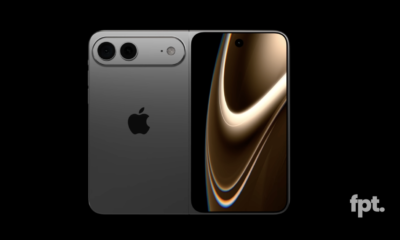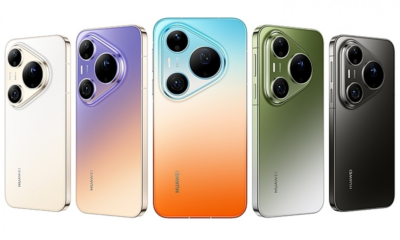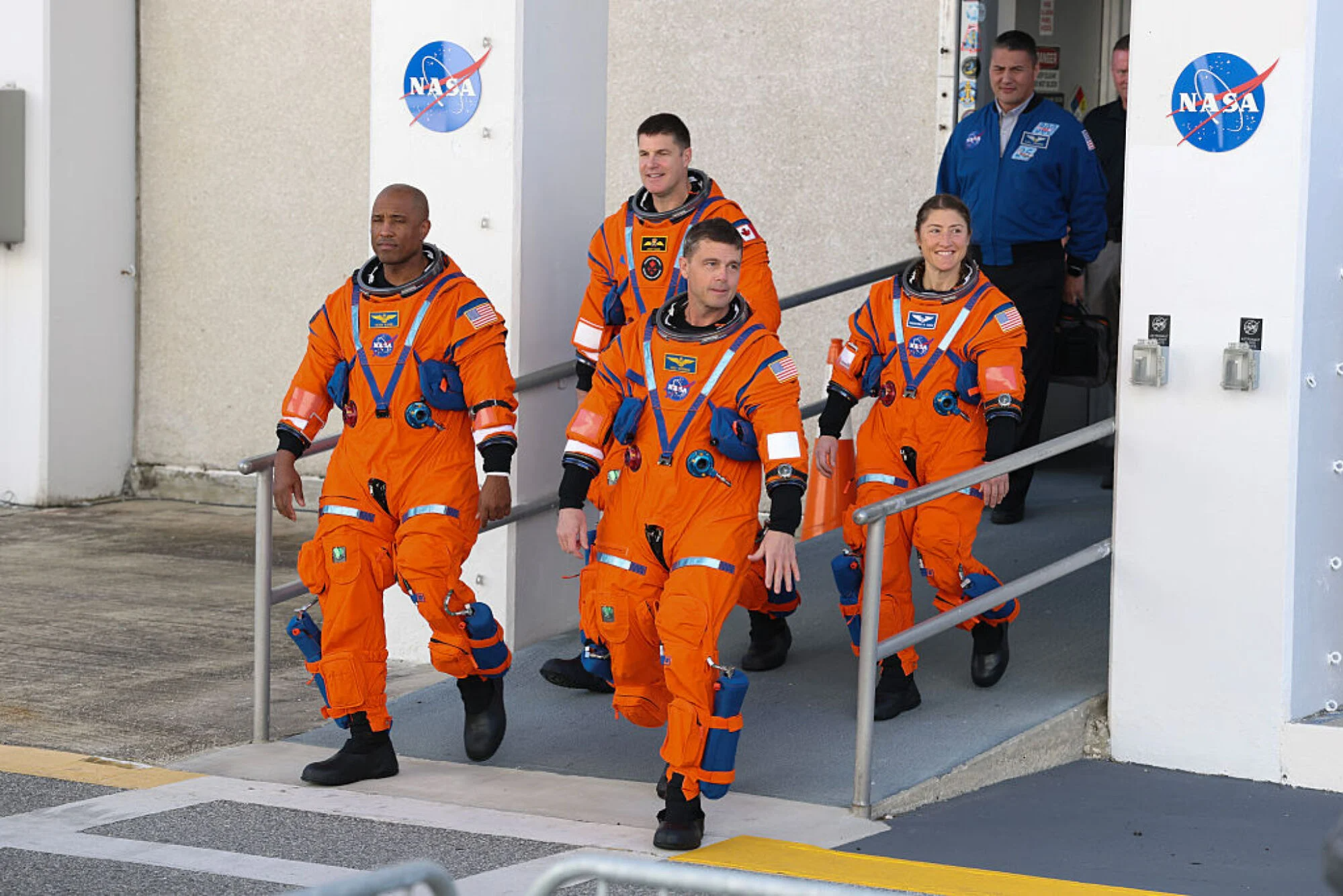

NASA has updated its policy to allow astronauts to bring personal smartphones on future space missions. The decision, confirmed by the agency this week, marks a significant shift from previous long-standing restrictions. The change applies to missions aboard spacecraft like SpaceX’s Crew Dragon and Boeing’s Starliner, as well as for stays on the International Space Station (ISS).
Rationale Behind the Policy Shift
Historically, personal electronic devices were prohibited due to stringent safety and operational protocols. The primary concerns centered on electromagnetic interference with critical spacecraft systems, potential fire hazards from device batteries, and the logistical challenges of securing loose items in microgravity. All onboard equipment, including entertainment systems, was previously provided and rigorously vetted by NASA.
The evolution of modern spacecraft design and extensive testing has mitigated these risks. Newer commercial crew vehicles are built with more robust shielding and systems that can tolerate a wider range of electronic emissions. Furthermore, the ubiquitous nature of smartphones, which combine communication, photography, and computing in one certified device, presented a practical opportunity.
Operational Guidelines and Restrictions
The new authorization comes with strict guidelines. Devices must be approved by NASA engineers before flight and will likely be required to operate in airplane mode during critical phases like launch and docking. Their use will be limited to personal time and will not interface with the spacecraft’s command and control networks. This policy is designed to boost crew morale and provide a convenient tool for personal photography and communication with family during off-duty hours.
NASA officials stated that the change recognizes the importance of crew well-being during extended missions. The ability to capture personal photos and videos, or listen to private music playlists, is seen as a valuable psychological benefit for astronauts living in a high-stress, isolated environment for months at a time.
Implications for Future Missions
This policy update is seen as a step toward normalizing life in space, especially as NASA plans for longer-duration missions to the Moon and eventually Mars. As commercial spaceflight becomes more common, adapting personal habitability rules is a key focus area. The success of this initiative on near-Earth missions will inform protocols for future deep-space exploration.
The agency has indicated it will monitor the implementation closely, assessing any technical or operational issues that arise. Data collected from this change will contribute to the planning of habitability and personal allowance standards for the Artemis lunar missions and beyond.
Source: Mashable