
The Mobile World Congress 2026 in Barcelona has featured a significant series of product announcements from leading technology firms. The event, which serves as a major global platform for the mobile industry, included the introduction of new flagship devices such as the Xiaomi 17 Ultra and a robotic phone concept from Honor. These launches contribute to a dense schedule of industry news this week.
The event’s activity level appears heightened as other major manufacturers, Samsung and Apple, scheduled their own major product announcements immediately before and after the congress. This scheduling has concentrated a large volume of technology reveals within a short timeframe, drawing global attention to the sector’s latest developments.
Key Product Announcements
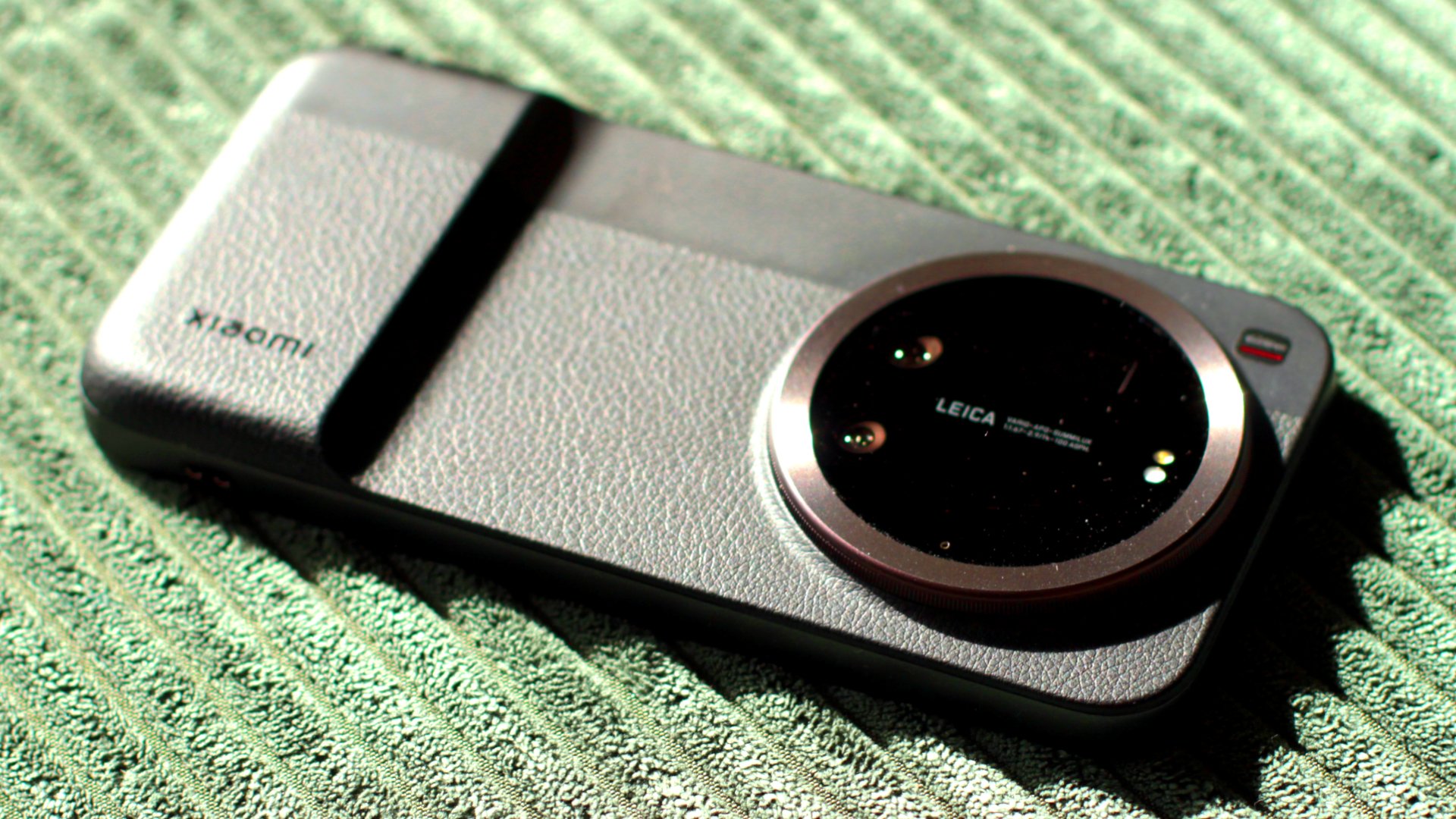
Xiaomi unveiled its latest premium smartphone, the Xiaomi 17 Ultra, at the event. The company presented the device as part of its high-end series, though specific technical specifications, pricing, and regional availability details were not fully disclosed in the initial announcement. Industry analysts typically scrutinize such launches for advancements in processing power, camera technology, and battery performance.
Honor showcased a prototype device described as a robotic phone. The demonstration focused on the device’s novel form factor and interactive capabilities, which represent an exploration of future mobile device concepts. Such concept reveals at industry events are common for illustrating a company’s research and development direction rather than signaling an imminent commercial release.
Industry Context and Event Significance
The Mobile World Congress is an annual trade show organized by the GSMA, a group representing mobile network operators worldwide. It is considered a bellwether for yearly trends in mobile communications, consumer electronics, and network infrastructure. The presence of major Chinese manufacturers like Xiaomi and Honor underscores the continued global influence of these companies in the smartphone market.
The strategic timing of announcements by Samsung and Apple around the official dates of MWC illustrates the competitive nature of the industry’s product launch calendar. Companies often seek to maximize media coverage by aligning their reveals with periods of high industry attention, even if not formally part of the main event schedule.
Market Implications and Consumer Impact
Releases at MWC often set the tone for smartphone design and feature expectations for the coming year. Innovations presented, particularly in areas like artificial intelligence integration, advanced photography, and new form factors, frequently trickle down to mid-range devices over subsequent product cycles. The announcements provide consumers and enterprise buyers with a preview of the technological capabilities that will become widely available.
For the companies involved, successful launches at a high-profile event can influence brand perception, investor confidence, and partner relationships. The performance and reception of newly announced hardware are closely monitored by market research firms to forecast sales trends and competitive dynamics within the global mobile market.
Future Developments and Availability
Following the initial announcements at MWC, the involved technology companies are expected to release comprehensive technical data sheets, official pricing, and detailed market launch schedules in the coming weeks. Product reviews from independent technology analysts and media outlets will provide further assessment of the devices’ real-world performance and value proposition.
Industry observers anticipate that the concepts demonstrated, particularly in areas like robotic interaction and flexible displays, will see further refinement. Commercial versions of such advanced prototypes, if they reach the market, are typically subject to additional development cycles based on technical feasibility, manufacturing scalability, and consumer feedback gathered after such previews.
Source: Mashable