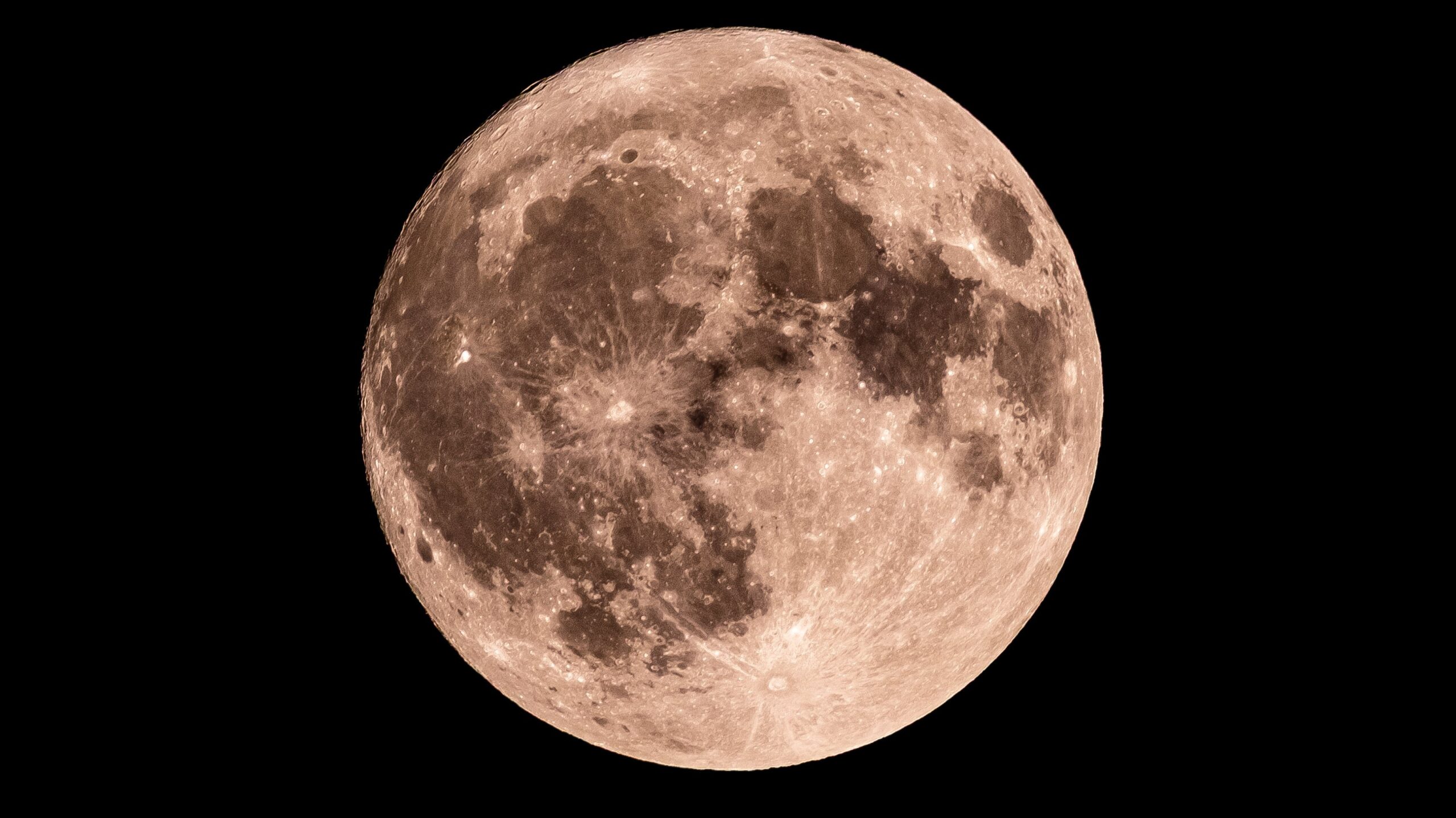

Observers watching the night sky this week will notice the Moon gradually fading from view. As of Monday, May 11, the Moon is in its waning crescent phase, moving toward the new moon when it will become completely invisible to the naked eye.
Current Lunar Phase and Visibility
The moon phase today, May 11, is waning crescent. This phase occurs in the final days of the lunar cycle before the New Moon. Each night, the illuminated portion of the Moon visible from Earth becomes smaller.
According to astronomical data, the Moon is losing visibility each night as it approaches the New Moon. With just a few nights remaining before total darkness, observers may still catch a thin sliver in the early morning sky before sunrise.
What to Expect in the Coming Days
The New Moon is expected to occur later this week. During this phase, the Moon is positioned between Earth and the Sun, making its illuminated side facing away from Earth. This results in the Moon being absent from the night sky entirely.
For those interested in lunar observation, the waning crescent offers a brief window to see the Moon before it disappears. The best viewing time is typically just before dawn, when the sky is dark but the eastern horizon begins to lighten.
Background on Lunar Cycles
The lunar cycle, or synodic month, lasts approximately 29.5 days. It begins with the New Moon, progresses through waxing phases to the Full Moon, and then wanes back to the New Moon again. The waning crescent phase is the final visible stage before the cycle resets.
The Moon’s phases are caused by its orbit around Earth and the changing angles of sunlight reflecting off its surface. There is no physical change to the Moon itself. The visibility from Earth depends on the relative positions of the Earth, Moon, and Sun.
Implications for Stargazing
The approaching New Moon creates excellent conditions for deep sky observation. Without moonlight, fainter celestial objects such as galaxies, star clusters, and nebulae become easier to see through telescopes or binoculars.
Professional and amateur astronomers often plan observation sessions around the New Moon for this reason. The dark sky allows for clearer views of distant astronomical phenomena.
The next Full Moon, which will mark the opposite end of the lunar cycle, is expected in approximately two weeks. That phase will provide maximum illumination for nighttime viewing but will wash out fainter stars and objects.
Source: Mashable