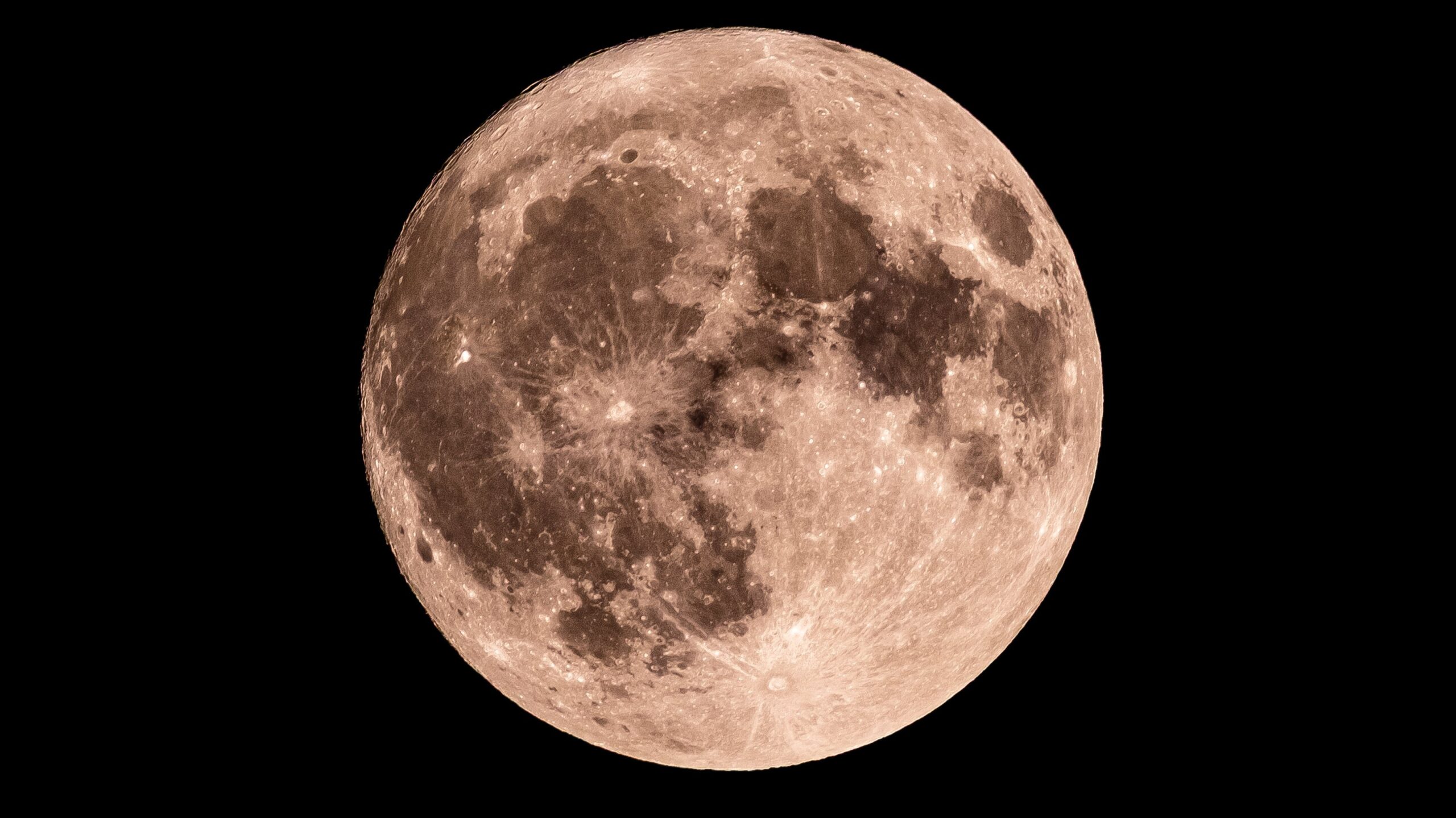

A thin lunar crescent remained visible in the night sky on Monday, March 18, despite its proximity to the New moon phase. The event was observable from locations worldwide with clear atmospheric conditions, offering a final glimpse of the waning Moon before it transitions into the New Moon. The visibility of such a slender crescent provides a clear astronomical marker of the lunar cycle‘s progression.
The Moon on March 18 was in a waning crescent phase, illuminated on only a minimal portion of its Earth-facing side. This occurs as the Moon orbits Earth, positioning itself nearly between Earth and the Sun. The alignment causes most of the sunlight to fall on the lunar far side, leaving only a sliver lit from our perspective.
Lunar Visibility and Observation
Spotting the extremely thin crescent requires a clear, unobstructed view of the western horizon shortly after sunset. Atmospheric clarity is a critical factor, as haze or light pollution can easily obscure the faint sliver of light. Observers in regions with dark skies had a significantly higher chance of successful viewing.
The phenomenon underscores the predictable nature of lunar phases. Each phase, from New Moon to Full Moon and back, results from the changing geometric positions of the Sun, Earth, and Moon. The waning crescent directly precedes the New Moon, when the Moon’s illuminated side faces completely away from Earth.
The Lunar Cycle Explained
The Moon completes one orbit around Earth approximately every 29.5 days, a period known as a synodic month. This cycle is responsible for the recurring sequence of phases: New Moon, Waxing Crescent, First Quarter, Waxing Gibbous, Full Moon, Waning Gibbous, Third Quarter, and Waning Crescent. The phase visible on any given night is determined by the angle of sunlight striking the Moon relative to an observer on Earth.
Following the New Moon, which marks the start of a new cycle, the Moon will become visible again as a waxing crescent in the evening sky. This crescent will grow progressively larger each night as the Moon moves along its orbit, a phase commonly referred to as a “young moon.”
Forward Outlook for Lunar Observation
The New Moon is expected to occur in the coming days, after which the Moon will reappear. The next visible crescent will likely be reported by astronomical societies and observatories as it becomes sufficiently separated from the Sun’s glare. This event typically occurs within a day or two after the New Moon.
Official astronomical calendars from institutions like NASA provide precise timings for all lunar phases. Enthusiasts can consult these resources for accurate predictions of future lunar visibility, including the optimal dates for observing the next waxing crescent moon. The cycle will continue predictably, with the Moon reaching its First Quarter phase approximately one week after the New Moon.
Source: Mashable