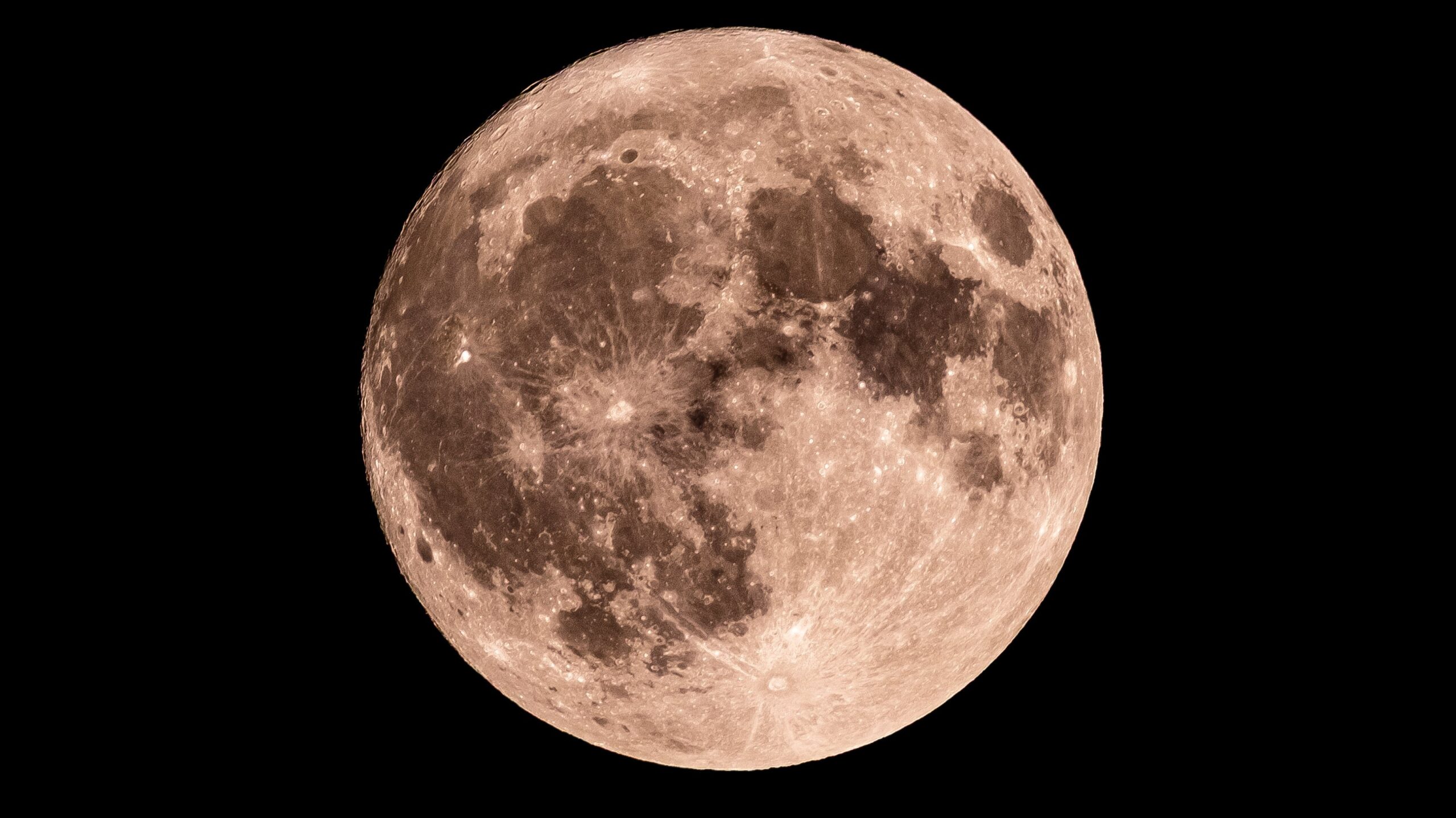

On the evening of February 13, observers worldwide will see the Moon as a slender, waning crescent in the night sky. This lunar phase precedes the New Moon, offering a final opportunity to view lunar surface details before it aligns with the Sun and becomes invisible from Earth. The event is a standard phase in the 29.5-day lunar cycle, with visibility dependent on local weather conditions and light pollution.

The visible sliver of the Moon will be illuminated on its left side from the perspective of viewers in the Northern Hemisphere. This illumination comes from sunlight reflecting off the lunar surface, with the dark portion of the Moon still present but shrouded in shadow. The crescent phase is characterized by earthshine, a faint glow on the Moon’s night side caused by sunlight reflected from Earth’s oceans and clouds.
lunar observation Details
The crescent Moon will be low on the western horizon shortly after sunset. Its visibility window will be brief, as it will set not long after the Sun. The best time for viewing is during twilight, when the contrast between the bright crescent and the darkening sky is most pronounced. Binoculars or a small telescope may enhance the view of surface features along the terminator, the line dividing light from shadow.
The Lunar Cycle Context
The Moon’s phases are determined by its changing position relative to Earth and the Sun. A waning crescent occurs when the Moon is moving from the Third Quarter phase toward the New Moon. During this time, the illuminated area visible from Earth decreases each night. The New Moon, when the Moon’s unilluminated side faces Earth, is the next major phase in the cycle.
This regular cycle has been observed and documented for millennia, forming the basis for many calendars. The current phase presents no unusual astronomical activity; it is a predictable event governed by celestial mechanics.
Forward Outlook
Following the crescent phase of February 13, the Moon will continue to wane. It will reach the New moon phase in the coming days, marking the start of a new lunar cycle. After the New Moon, a thin waxing crescent will become visible in the evening sky, beginning the cycle anew. Astronomers and casual observers can consult standard astronomical almanacs or reputable online databases for precise timing of future lunar phases and visibility forecasts for their specific locations.
Source: Mashable