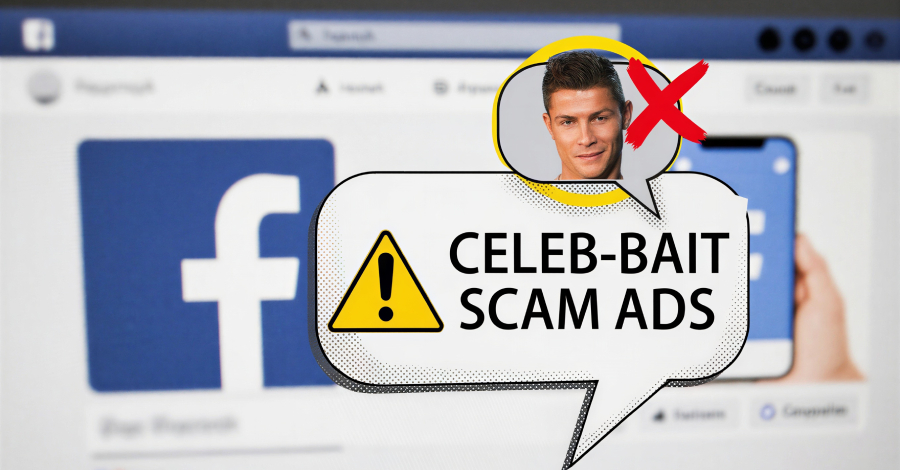

Meta Platforms, Inc. filed lawsuits on Thursday against advertisers based in Brazil, China, and Vietnam, alleging they used deceptive advertising to perpetrate scams on Facebook and Instagram. The legal action targets what the company describes as a coordinated effort to exploit users through “celebrity bait” schemes.
The social media giant stated it has simultaneously suspended the advertisers’ payment methods, disabled related accounts, and blocked the website domains used to execute the fraudulent campaigns. This multi-pronged approach aims to disrupt the financial and operational infrastructure of the alleged scammers.
Nature of the Deceptive Campaigns
According to Meta, the advertisers employed a tactic known as “celebrity bait” or “massive-scale celebrity scam advertising.” This involves creating ads that falsely imply an endorsement from a well-known public figure. These ads often promote fraudulent investment schemes, counterfeit products, or other scams, leveraging the celebrity’s image without their consent to gain credibility and lure victims.
The company’s investigation linked these specific operations to entities across three different countries, indicating an international dimension to the problem. The lawsuits represent a strategic shift towards holding the individuals and organizations behind these ads directly accountable in court, rather than relying solely on platform-level enforcement like account removal.
Legal and Platform Strategy
By pursuing litigation, Meta seeks to establish legal precedent and uncover more details about the networks orchestrating these scams. Court proceedings can compel the disclosure of information that is otherwise difficult to obtain, such as the identities of individuals behind shell companies and the full scope of their financial transactions.
This legal move is part of a broader, ongoing effort by Meta to combat fraudulent activity on its platforms. The company maintains automated systems to detect policy-violating content and invests in teams that investigate and take down coordinated inauthentic behavior. However, sophisticated adversaries often create new accounts and domains, making legal action a complementary tool to create a stronger deterrent.
Industry-Wide Challenge
Celebrity-based scam advertising is a persistent issue across major social media and digital advertising platforms. Scammers continuously adapt their methods to bypass detection algorithms, using edited video clips, deepfake technology, or stolen images to create convincing but fake endorsements. These ads typically direct users to external websites designed to harvest personal information or solicit payments for bogus services.
Consumer protection agencies worldwide have repeatedly warned the public about such schemes. The problem highlights the continuous challenge platforms face in balancing open advertising ecosystems with user safety and the prevention of financial fraud.
Next Steps and Expected Developments
The lawsuits will now proceed through the respective legal systems. Meta will likely use the discovery process to gather more intelligence on the scam networks’ operations. The outcome of these cases could influence how other tech companies approach similar fraudulent actors, potentially leading to more collaborative cross-border legal efforts. Meanwhile, Meta confirmed it will continue its platform-level enforcement, anticipating that those behind the scams may attempt to re-establish their operations using new tactics.
Source: GeekWire