
In a report released on 19 December 2025, market‑research firm IDC warned that a global shortage of memory chips is likely to squeeze the profitability of UK mobile operators and retailers in 2026. The shortage, driven by a shift in semiconductor production from smartphones to artificial‑intelligence data centres, is expected to keep DRAM and NAND flash supplies tight through 2027, raising component costs and forcing original equipment manufacturers to reconsider pricing strategies.
Background
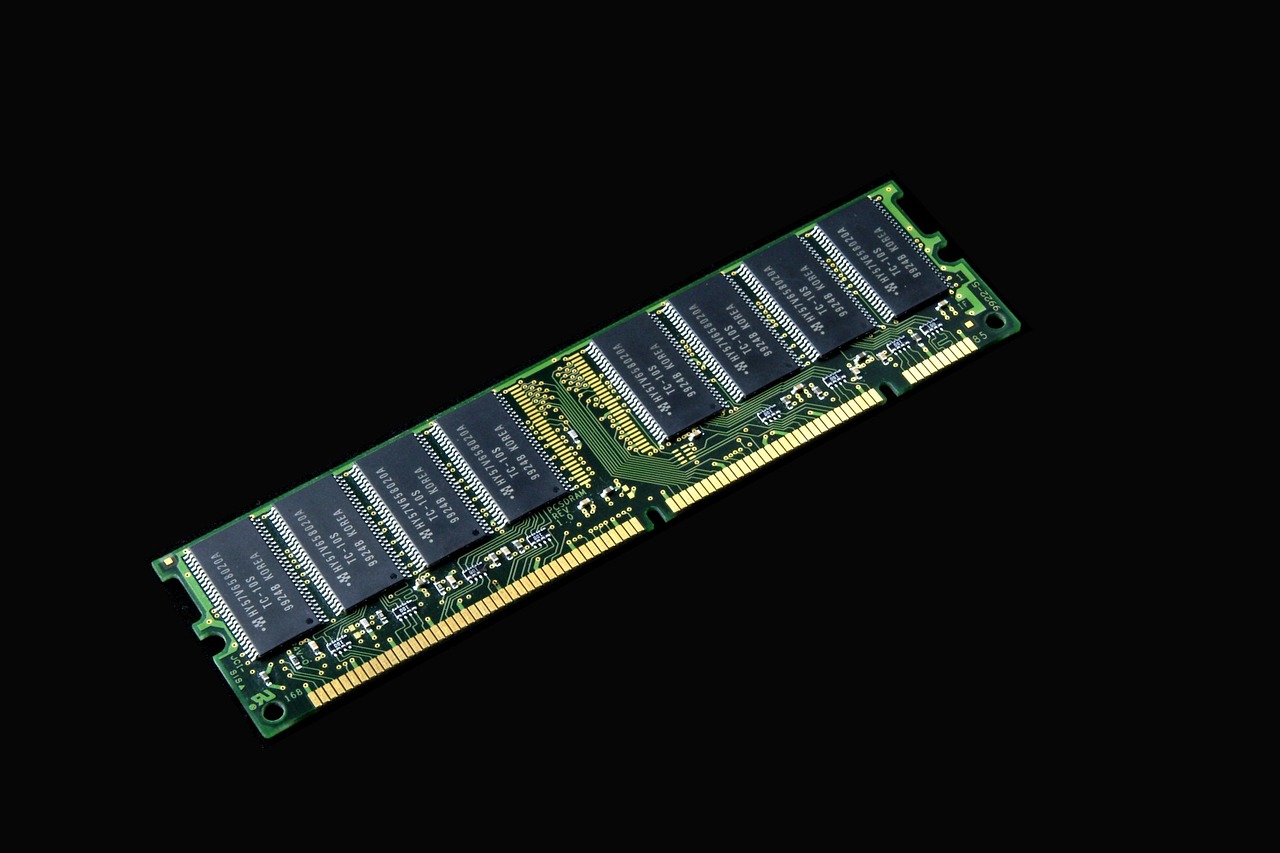
IDC’s analysis identifies a structural change in the semiconductor supply chain. Memory manufacturing capacity is being redirected away from mobile devices to support the growing demand for AI infrastructure. As a result, the supply of DRAM (Dynamic Random‑Access Memory) and NAND flash memory, critical components in smartphones, is under pressure. The firm estimates that the resulting price increases will persist beyond 2026, reshaping the cost base for handset manufacturers and, by extension, the retail and operator markets.
Wholesale Costs
The UK handset market is already experiencing margin compression due to years of inflation, higher energy and logistics costs, and a slowdown in consumer upgrades. IDC predicts that rising memory prices will push OEM wholesale prices higher in 2026, especially in the £200–£400 Android segment that supports a large portion of the country’s contract market.
Memory can account for up to 20 per cent of the bill of materials in a mid‑range smartphone. With costs climbing, OEMs are expected to prioritise margin protection and shift more of the price burden down the supply chain. For operators, this creates a dilemma: absorbing higher device costs without raising monthly contract prices becomes increasingly difficult, particularly on entry‑level and mid‑tier tariffs where margins are already thin. Retailers face similar constraints, as the ability to discount devices upfront is reduced, especially outside major launch windows, putting further pressure on contract and pay‑as‑you‑go handset profitability.
Upgrade Incentives
Historically, UK consumers have been encouraged to upgrade through perceived value gains such as increased RAM or storage. IDC forecasts that this lever will weaken in 2026, as OEMs limit specification increases to manage costs. Consumers upgrading from older phones may see fewer tangible improvements at familiar price points, potentially extending upgrade cycles beyond 36 months—a trend already observed in the UK. Operators may struggle to justify higher monthly contract prices without clear device differentiation and may need to rely more heavily on airtime discounts, loyalty incentives, or longer contract terms to retain customers.
SIM‑Only Migration
IDC highlights an accelerating shift toward SIM‑only plans. As contract prices rise and handset promotions become less attractive, more UK consumers are likely to keep their existing devices and switch to SIM‑only services. The trend is already evident, with SIM‑only accounts for a growing share of net additions across all major networks. Higher handset costs and flatter specification gains are expected to reinforce this behavior, reducing device attach rates and lowering the overall value of contract acquisitions. Retailers that depend on device‑led footfall and commission may see sales volumes weaken and competition shift primarily to airtime pricing.
Android Device Impact
The memory shortage is projected to hit the mid‑range Android segment most severely. Brands such as Xiaomi, Oppo, Vivo, Realme, TCL, and Honor compete aggressively in the £200–£400 price range, operate on thin margins, and rely on rapid specification progression to differentiate. If these vendors are forced to raise prices or hold specifications flat, operators and retailers may experience reduced differentiation between models and fewer compelling upgrade propositions at key price points.
Apple and Samsung are comparatively better insulated due to long‑term supply agreements and scale. Nevertheless, IDC cautions that flagship devices launched in 2026 are unlikely to see major memory upgrades, and price erosion on older models may slow. This could limit opportunities for UK retailers to drive volume through late‑cycle discounting.
Implications for the UK Telecoms Channel
While IDC has not yet revised its official UK smartphone forecasts, the report outlines downside risks if memory supply constraints worsen. Higher wholesale costs, weaker upgrade incentives, and a continued shift toward SIM‑only plans threaten to squeeze margins throughout the value chain. Operators and retailers may need to place greater emphasis on trade‑in, financing, insurance, and value‑added services to maintain profitability, rather than relying on handset‑led growth.
Conclusion
IDC’s findings suggest that the memory chip shortage will remain a structural challenge for the UK mobile market through 2027. Operators, retailers, and OEMs will need to adapt to rising component costs and shifting consumer behaviour. The next steps will likely involve reassessing pricing models, exploring alternative supply arrangements, and enhancing non‑device revenue streams to sustain margins in an increasingly competitive environment.