
For website owners seeking to reduce technical burdens, managed hosting has become a prevalent solution. This service model involves a provider handling core technical maintenance, including updates, security, and performance optimization, allowing clients to focus on content and business operations.
The fundamental difference lies in responsibility. With unmanaged hosting, the user is responsible for server setup, software installation, security configuration, and ongoing maintenance. Managed hosting transfers these technical duties to the provider.
Core Features of Managed Services
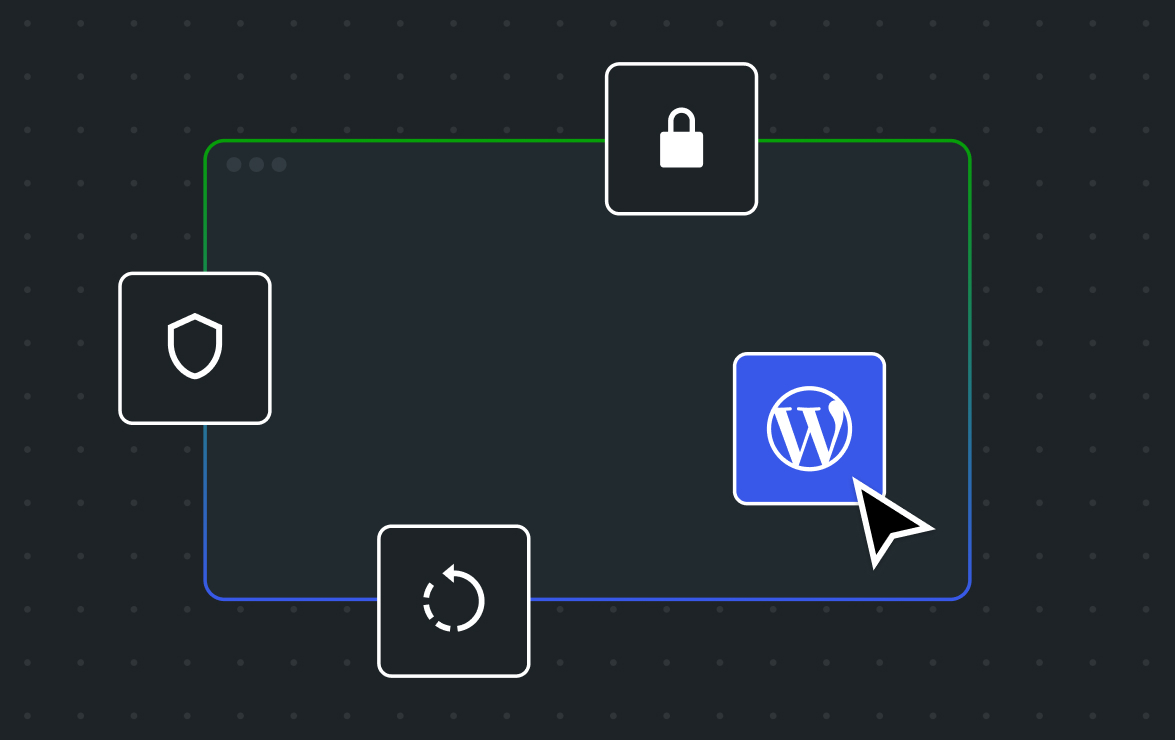
Managed hosting typically encompasses several key technical areas. Providers generally manage automatic updates for core systems and software platforms. They implement continuous security monitoring, malware scanning, and firewall protections.
Regular, automated backups are a standard feature to facilitate site recovery. Performance optimization, including server-level caching and tuning, is handled by the host. Uptime monitoring ensures site availability, with providers addressing issues proactively.
Evaluating Hosting Options
The choice between managed and unmanaged hosting significantly impacts workload and expertise required. Unmanaged hosting demands user proficiency in server administration and cybersecurity. It often requires manual configuration for performance and security.
Managed hosting offers a streamlined experience with built-in optimizations and protections. Support teams for managed services are typically specialized in the specific platform, such as WordPress, enabling more efficient troubleshooting.
Considerations for Selection
Experts recommend evaluating several factors when considering a managed hosting provider. The scope of technical work handled by the host is paramount; a comprehensive service covers setup, updates, security, and backups.
The hosting environment should be optimized for the user’s specific platform. Specialized WordPress hosting, for instance, is engineered for that ecosystem. The expertise and availability of customer support is another critical factor, especially for resolving platform-specific issues.
Scalability and reliability are essential for growing sites. Providers with distributed infrastructure can manage traffic spikes and maintain uptime during regional outages. Transparent pricing that includes essential features like SSL certificates and backups is also advised.
Industry Context and Adoption
The adoption of managed hosting services has grown alongside the increasing complexity of web technologies and security threats. Many businesses and individual site owners opt for this model to ensure professional-grade maintenance without developing in-house expertise.
The service is available across various infrastructure types, including Virtual Private Servers (VPS), dedicated servers, and cloud hosting platforms. The defining characteristic is not the underlying technology, but the allocation of administrative responsibility to the provider.
As web infrastructure continues to evolve, the managed hosting market is expected to expand further. Providers are likely to integrate more advanced automation for security and performance, alongside offering greater scalability to accommodate fluctuating online traffic patterns.
Source: Based on industry analysis and provider service descriptions.