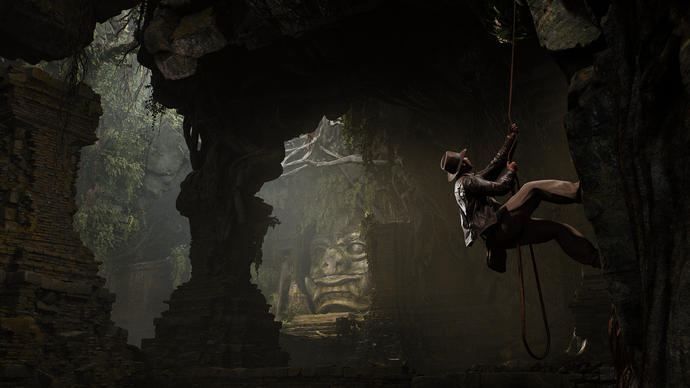

MachineGames, the video game studio known for developing titles in the “Wolfenstein” series and the recent “Indiana Jones and the Great Circle,” is implementing a more stringent office work policy. Studio director Jerk Gustafsson confirmed the shift in a statement, indicating the company is “moving more and more” towards requiring full-time in-office attendance.
The policy change, first reported by industry publication GamesIndustry.biz, initially applies to senior staff members. These employees have been asked to work from the company’s offices five days per week. The move signals a significant departure from the hybrid and remote work models that became commonplace across the technology and gaming sectors following the global pandemic.
Details of the New Work Model
While the full rollout plan for all employees remains unspecified, Gustafsson’s statement confirms a clear directional change. The requirement for senior leadership to be physically present sets a precedent for the wider studio culture. This decision places MachineGames among a growing number of technology companies reassessing long-term flexible work arrangements.
The studio, a subsidiary of ZeniMax Media which is itself owned by Microsoft, has not publicly detailed the specific reasons behind the policy shift. Common corporate justifications for such moves in the industry often cite goals of enhancing collaboration, company culture, and product development synergy. No official statement regarding potential exceptions or accommodations has been released.
Industry Context and Trends
The video game industry, like many knowledge-work fields, experienced a massive, rapid adoption of remote work. Many studios reported successful transitions, completing major projects with distributed teams. Recently, however, a counter-trend has emerged with several prominent companies, including giants like Electronic Arts and Activision Blizzard, advocating for a return to office-based work, either in full or through hybrid mandates.
Proponents of in-office work argue it fosters spontaneous communication, strengthens mentoring opportunities for junior staff, and reinforces team identity. Critics, including many employees, point to studies showing maintained or increased productivity remotely, improved work-life balance, and the ability to hire talent unrestricted by geography.
Potential Impact and Employee Considerations
A mandatory full-time return can have substantial implications for workforce dynamics. It may affect employee morale, retention, and future hiring prospects, particularly for talent who relocated during periods of remote work flexibility. The policy may also necessitate a reevaluation of office space and infrastructure to accommodate a larger daily onsite headcount.
MachineGames, with its headquarters in Sweden, must also navigate local labor laws and cultural norms regarding workplace flexibility. The gaming industry is highly competitive for skilled developers, and work environment policies are increasingly a factor in where top talent chooses to work.
Looking Ahead
The next phase will involve the studio’s communication of the finalized policy to its entire workforce and the subsequent implementation timeline. Observers will monitor for any official rationale from company leadership, details on phased implementation for non-senior staff, and whether the change affects ongoing project schedules. The move will also be watched as another data point in the evolving debate over the future of work within the creative technology sector.
Source: GamesIndustry.biz