
Independent game developer Lucas Pope has publicly stated he is avoiding discussion of his current project due to concerns that details could be ingested and utilized by artificial intelligence systems. The creator of acclaimed titles “Papers, Please” and “Return of the Obra Dinn” expressed this hesitation in a recent interview, highlighting a growing apprehension within creative industries.
Developer’s Statement on AI Risk
Pope’s primary concern, as reported, is that sharing information about his in-development game could lead to it being “slurped up by AI.” This colloquial phrase refers to the practice of AI models scraping publicly available data, including text, art, and design concepts, for training purposes. The developer’s stance reflects a cautious approach to protecting his original creative work during its formative stages.
He did not specify which aspects of development he is keeping private, whether narrative, visual style, or core mechanics. The decision appears preventative, aimed at mitigating any potential unauthorized use of his creative concepts by generative AI tools. This move occurs amidst broader industry debates regarding intellectual property and AI training data.
Background of the Developer
Lucas Pope is a prominent figure in the independent gaming scene, known for his distinctive, mechanics-driven narrative games. His title “Papers, Please,” released in 2013, cast players as an immigration officer in a fictional dystopian state. It received widespread critical praise for its thematic depth and unique gameplay.
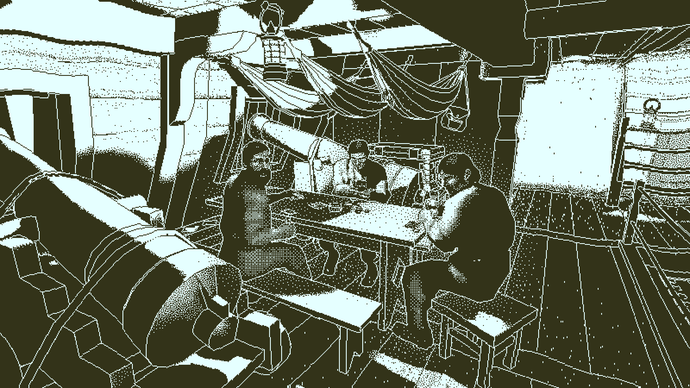
His follow-up, “Return of the Obra Dinn,” launched in 2018, is a mystery adventure where players investigate the fate of a ship’s crew using a magical pocket watch. It was lauded for its innovative deduction gameplay and distinctive visual style, winning multiple awards, including the Seumas McNally Grand Prize at the Independent Games Festival.
Industry Context and Reactions
The video game industry is currently grappling with the implications of advanced AI. Tools for generating code, dialogue, textures, and even music are becoming more accessible. While some developers embrace these tools for prototyping and asset creation, others, like Pope, voice concern over the ethics of data sourcing and the potential devaluation of human-centric creative processes.
Pope’s position aligns with a segment of artists and developers who advocate for greater transparency and consent in how AI companies gather training data. Several lawsuits are ongoing regarding the use of copyrighted material to train AI models without permission or compensation. The developer’s personal policy of silence can be seen as a direct response to this uncertain legal and ethical landscape.
No statements have been issued by major AI platform companies specifically addressing Pope’s comments. The general industry discussion continues to focus on establishing fair use guidelines and potential licensing frameworks for creative content used in AI training.
Potential Implications for game development
If adopted by more creators, this trend of secrecy could alter how games are marketed and discussed during development. The traditional model often involves building community interest through early screenshots, developer blogs, and teaser trailers. A shift toward extreme confidentiality could impact crowdfunding campaigns and early access models that rely on public engagement.
Conversely, it may reinforce the value of complete, surprise releases, where the public experiences a finished product without prior exposure to its components. This approach could potentially shield unique artistic visions from being replicated or diluted by AI-generated content before a game’s launch.
The practical impact on Pope’s own project remains to be seen. His previous games benefited from strong word-of-mouth following their release, rather than prolonged pre-launch hype cycles. His established reputation may afford him the flexibility to develop a title away from public scrutiny without significant commercial risk.
Looking Ahead
Lucas Pope has not announced a timeline for the reveal or release of his next game. Development is expected to continue privately. The industry will likely observe whether his approach influences other independent developers facing similar concerns. Further developments in AI regulation and legal rulings on training data may also shape how and when creators choose to share their work-in-progress with the public in the future.
Source: GamesIndustry.biz