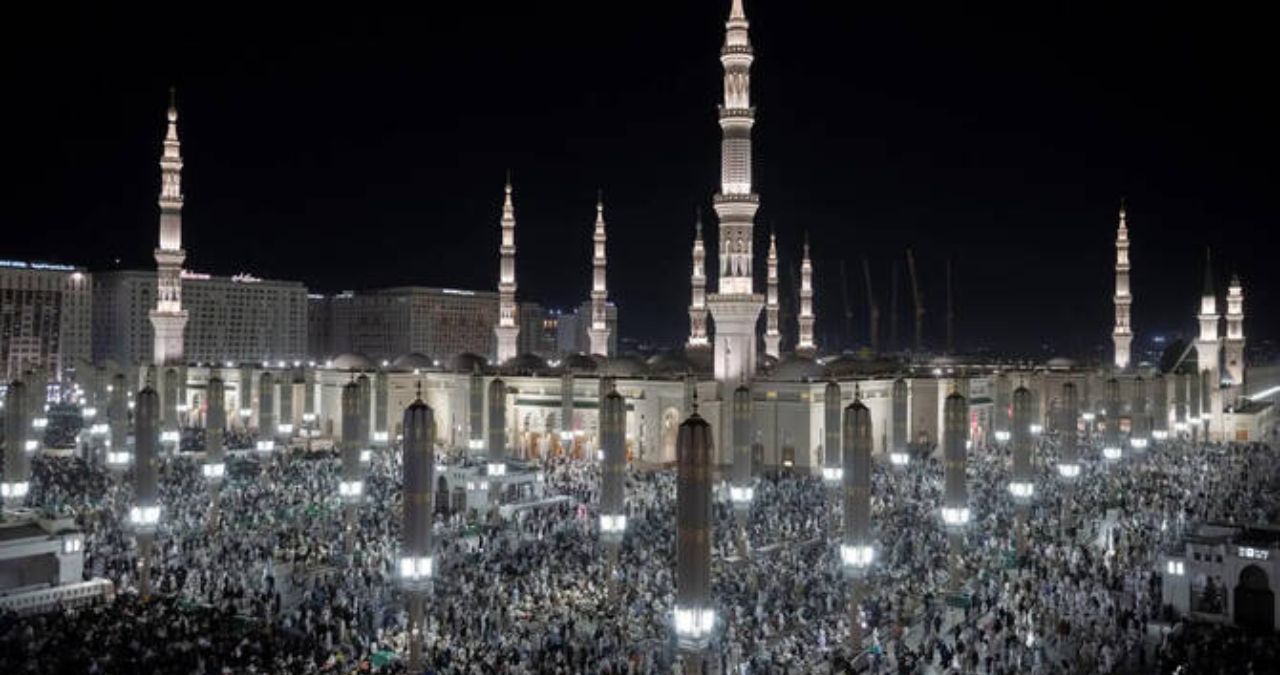

Muslim communities worldwide are preparing to observe the last ten nights of Ramadan in 2026, a period considered the holiest of the Islamic calendar, culminating in Laylat al-Qadr, or the Night of Decree. The exact date of Laylat al-Qadr is not fixed on the Gregorian calendar, as it falls on one of the odd-numbered nights during the final third of Ramadan, which is based on lunar cycles. For the year 2026, Ramadan is projected to begin around February 17, placing the most likely nights for Laylat al-Qadr in early to mid-March. This period holds profound religious significance for over 1.8 billion Muslims globally, marking a time of intensified worship, reflection, and seeking divine mercy.
Religious Significance and Observance
Laylat al-Qadr commemorates the night the first verses of the Quran were revealed to the Prophet Muhammad. Islamic tradition holds that worship performed on this night is better than that of a thousand months. Consequently, Muslims engage in extended prayers, recitation of the Quran, and supplications. Many believers also practice I’tikaf, a spiritual retreat spent in seclusion within a mosque for the final ten days, dedicating themselves entirely to worship.
The specific date is intentionally obscured to encourage worship throughout the concluding nights of Ramadan. Common scholarly interpretations, based on sayings of the Prophet Muhammad, suggest it is most likely to occur on the 21st, 23rd, 25th, 27th, or 29th night of Ramadan. This uncertainty fosters a sustained spiritual effort during the entire last third of the holy month.
Global Preparations and Community Impact
In anticipation, mosques worldwide extend their hours and organize special night prayers known as Qiyam or Taraweeh. Communities often arrange communal meals for Suhoor (pre-dawn meal) and Iftar (meal to break the fast) to facilitate worship for those in attendance. Religious leaders deliver sermons emphasizing themes of forgiveness, charity, and spiritual renewal central to this period.
The search for Laylat al-Qadr drives a significant increase in religious activity. Digital platforms and applications see heightened usage as Muslims access prayer times, Quranic texts, and religious lectures. This technological integration supports worship while maintaining the traditional essence of the observance.
Calculating the Date and Lunar Calendar
The variance in potential dates stems from the Islamic Hijri calendar, which is lunar and approximately 10 to 12 days shorter than the solar Gregorian calendar. The commencement of each lunar month depends on the sighting of the new moon, leading to slight regional differences. Official moon-sighting committees in Muslim-majority nations will make definitive announcements closer to the time, confirming the start of Ramadan and thereby narrowing the window for Laylat al-Qadr in 2026.
Astronomical calculations provide projected dates, but the traditional physical moon sighting remains the decisive method for many communities and religious authorities. This blend of tradition and modern calculation is a standard aspect of Islamic calendaring.
Forward Outlook for 2026 Observance
As 2026 approaches, religious authorities will issue official guidance based on moon sightings. Global Muslim organizations are expected to release coordinated schedules for prayers and community events. The period will conclude with the worldwide celebration of Eid al-Fitr, marking the end of Ramadan, with its date also contingent on the lunar sighting. The ongoing spiritual focus on the last ten nights underscores their enduring centrality to Islamic practice and the global Muslim community’s shared religious calendar.
Source: Various global Islamic authorities and astronomical projections.