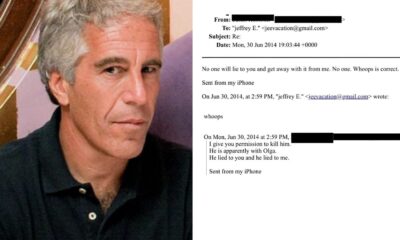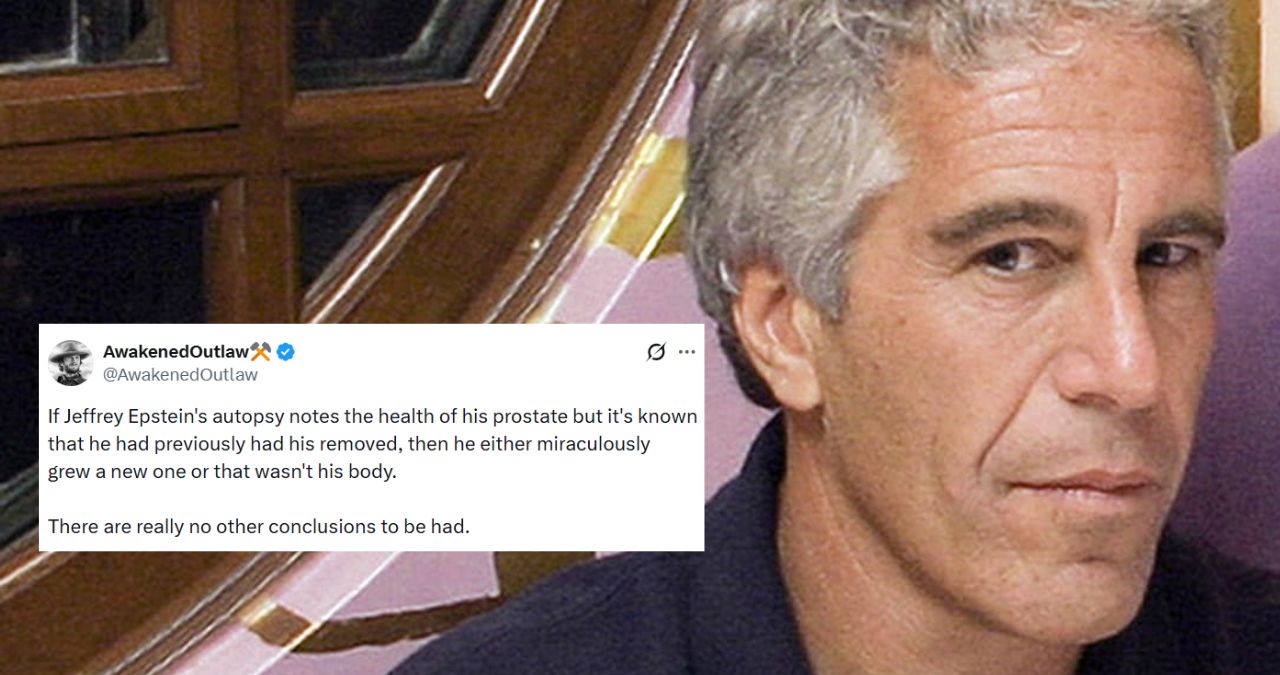

Online conspiracy theories regarding the 2019 death of financier Jeffrey Epstein resurfaced this week, driven by renewed discussion of a specific detail from his official autopsy report. The theories, which proliferate primarily on social media platforms, question the medical findings and suggest Epstein may still be alive.
Origin of the Latest Speculation
The current wave of speculation centers on a single line from the autopsy report performed by the New York City Chief Medical Examiner’s office. The report, which concluded Epstein died by suicide, noted the presence of a “partially intact prostate.” Some online commentators have incorrectly interpreted this standard medical observation as evidence of a regrown organ, fueling fantastical claims.
Medical experts have consistently stated that the phrasing is a normal descriptor in forensic pathology, referring to the condition of the prostate gland at the time of examination. There is no medical basis for the interpretation that the organ had regenerated.
Official Investigations and Conclusions
Jeffrey Epstein was found deceased in his Manhattan jail cell on August 10, 2019, while awaiting trial on federal sex trafficking charges. The official autopsy, conducted the following day, ruled the cause of death as “suicide by hanging.”
This finding was subsequently supported by investigations from both the FBI and the Department of Justice’s Office of the Inspector General. These investigations reviewed surveillance footage, physical evidence, and witness statements, ultimately affirming the medical examiner’s conclusion despite noting lapses in jail protocol.
Persistence of Online Conspiracy Theories
Despite these official findings, conspiracy theories about Epstein’s death have persisted online for years. Proponents often cite alleged inconsistencies, though these have been repeatedly addressed by authorities. The latest discussion demonstrates how complex medical terminology can be misconstrued and amplified within digital echo chambers.
Social media algorithms that promote engaging content can accelerate the spread of such theories, regardless of their factual basis. Platforms like X, Facebook, and TikTok have ongoing policies against harmful misinformation, but enforcement remains a challenge at scale.
Looking Ahead
The ongoing civil litigation related to Epstein’s estate and the recent sentencing of accomplice Ghislaine Maxwell continue to keep the case in public view. Legal analysts expect the conspiracy theories to periodically re-emerge in tandem with these developments. Official bodies have stated the investigations into Epstein’s death are closed, barring the emergence of new, credible evidence.
Source: Mashable