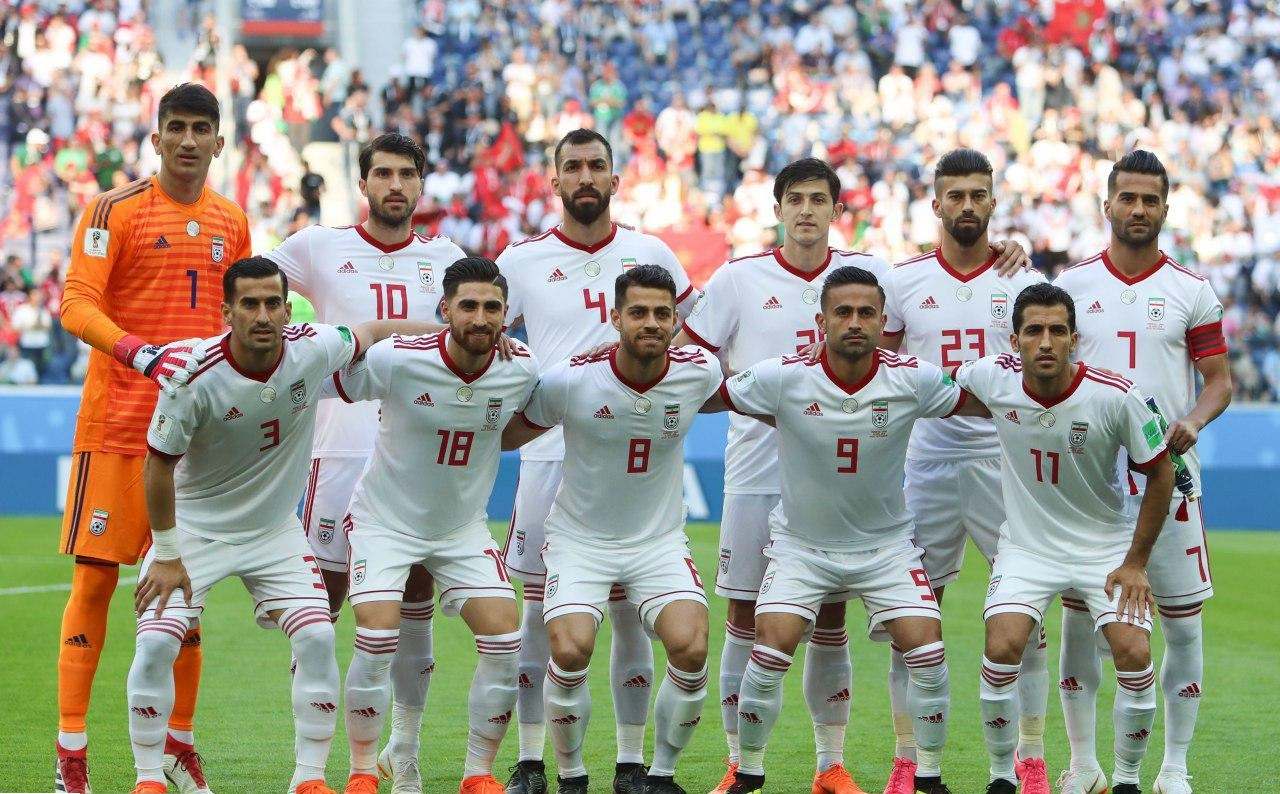

The United States has indicated that the Iranian national football team will be permitted to enter the country to participate in the 2026 FIFA World Cup, but only if players and staff with ties to the Islamic Revolutionary Guard Corps (IRGC) are removed from the delegation. This development, reported by multiple sources, introduces a significant geopolitical complication into the tournament, which is set to be co hosted by the United States, Canada, and Mexico.
Background on the US Visa Policy
The policy was confirmed by US diplomatic officials and is based on existing US sanctions and visa restrictions that label the IRGC a foreign terrorist organization. Under the current regulations, any individual designated as a member or affiliate of the IRGC is barred from entering the United States. This presents a direct obstacle for the Islamic Republic of Iran Football Federation, which often includes individuals with past or present affiliations to the IRGC in its official delegation, including players who serve in the paramilitary force.
The IRGC holds significant power within Iran’s political and military structure and oversees the country’s ballistic missile program. In 2019, the US officially designated the IRGC as a foreign terrorist organization. The potential conflict arises because many Iranian football players serve concurrently in the IRGC’s sports clubs or are required to complete mandatory military service under IRGC supervision.
No Plans for a Replacement Team
Contrary to earlier speculation, Italy will not replace Iran in the 2026 FIFA World Cup. This point has been clarified by football governing bodies and no official request for a substitution has been made or is anticipated. Iran earned its spot through a qualifying process, and FIFA has not indicated any intention to remove the nation from the tournament based on US visa policies. The current focus remains on negotiation between the US State Department, FIFA, and the Iranian Football Federation to find a workable solution.
Reactions from Stakeholders
Human rights organizations have raised concerns about the ethical implications of allowing IRGC affiliated personnel into a global sporting event held in the US. Conversely, some Iranian dissidents and diaspora groups have called for the team to be disqualified if it cannot field a squad free from IRGC ties. The Iranian government has publicly condemned the US stance, framing it as political interference in sport. FIFA, while not commenting directly on the visa issue, has reiterated its principle of political neutrality in sporting affairs.
Implications for the Tournament Schedule
The 2026 World Cup is scheduled to run from June 8 to July 3, with 48 teams competing across multiple cities in North America. Iran is placed in a group that will play some of its matches at venues within the United States. The visa restrictions could affect player eligibility just weeks before the tournament, potentially forcing Iran to submit an alternate roster or face disqualification if it cannot comply. The State Department has stated it is working with the Department of Homeland Security to process all team visas but will not grant exemptions for individuals deemed security risks.
Expected Next Steps
Talks between US immigration authorities, FIFA, and Iran are expected to intensify in the coming months. A final decision on the composition of Iran’s delegation may not be made public until early 2026, when official team roster confirmations are due. The most likely outcome is a compromise where Iran selects a squad that excludes any individuals with direct, verifiable IRGC membership. If an agreement cannot be reached, the US may block entry for the entire delegation, a scenario that would force FIFA to address the unprecedented situation of a qualified nation being unable to enter the host country.
Source: Mashable