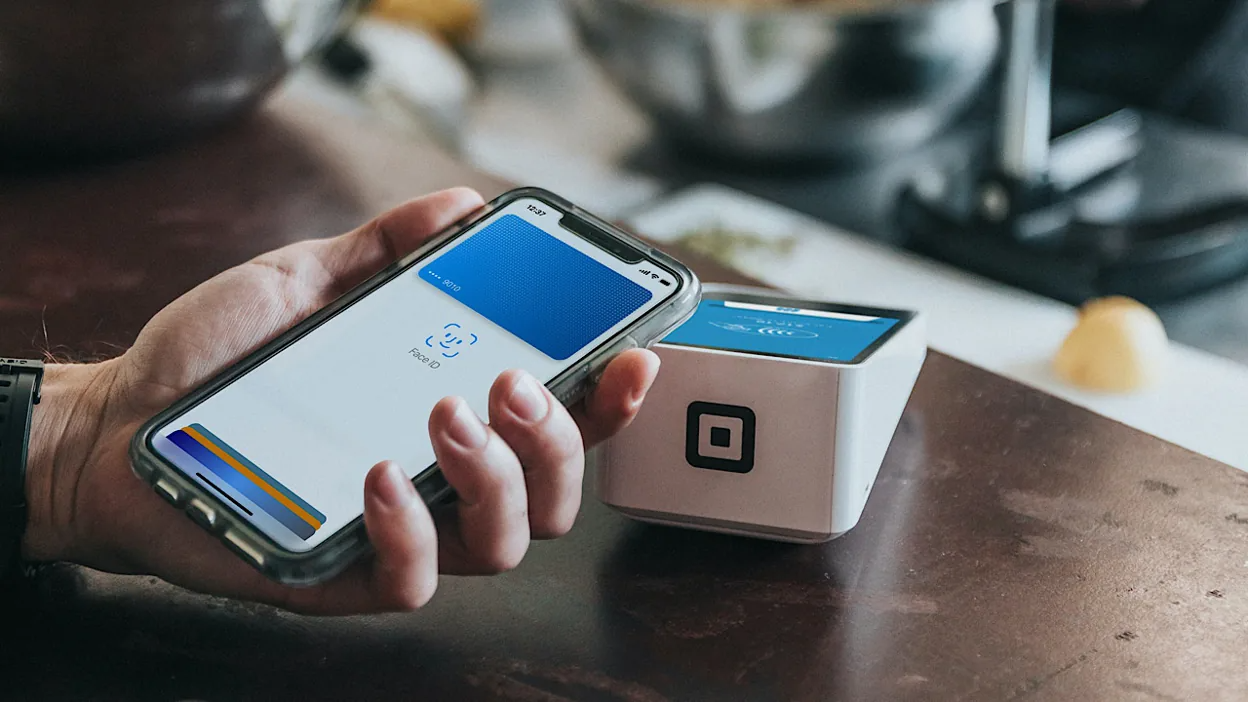

Security researchers have successfully demonstrated a vulnerability in Apple’s contactless payment system, extracting $10,000 from a test iPhone belonging to popular tech reviewer Marques Brownlee. The proof-of-concept exploit, which targets the iPhone’s Tap to Pay feature, was conducted under specific, controlled conditions to highlight a potential security flaw.
Scope and Limitations of the Vulnerability
The researchers emphasized that the attack is not easily replicable in everyday scenarios. It requires a specific set of circumstances to be successful, including physical access to an unlocked iPhone. The demonstration was intended for research purposes to illustrate a theoretical weakness in the system’s implementation rather than to depict a widespread, immediate threat to consumers.
Apple’s Tap to Pay on iPhone allows businesses to accept contactless payments directly on their devices without additional hardware. The system is designed with multiple security layers, including the Secure Element, a dedicated chip that stores payment information separately from the main processor and operating system.
Industry and Researcher Response
Following the demonstration, the research team has reportedly followed standard disclosure protocols by notifying Apple of their findings. This process allows the technology company time to investigate and develop a patch or mitigation before technical details are made fully public, a common practice in cybersecurity known as responsible disclosure.
Security experts not involved in the research note that while any vulnerability is concerning, the constrained requirements for this particular exploit significantly reduce its risk profile for the average user. They point out that the foundational security architecture of mobile payment systems, which includes tokenization and device-specific authentication, remains robust.
Broader Implications for Mobile Payment Security
This incident brings renewed attention to the security models of software-based point-of-sale systems. As more merchants adopt smartphone-based payment solutions, ensuring the integrity of these platforms against sophisticated, localized attacks becomes increasingly critical for the financial technology ecosystem.
For consumers, standard security advice remains applicable: using strong passcodes, enabling biometric authentication like Face ID or Touch ID, and keeping devices updated with the latest software are the most effective defenses against a wide range of potential threats, including physical access exploits.
Apple has not yet released a public statement regarding this specific research demonstration. The technology industry typically addresses such vulnerabilities through silent security updates included in routine iOS software releases. Users can expect further technical analysis and official guidance once the responsible disclosure period concludes and any necessary patches are deployed.
Source: Mashable