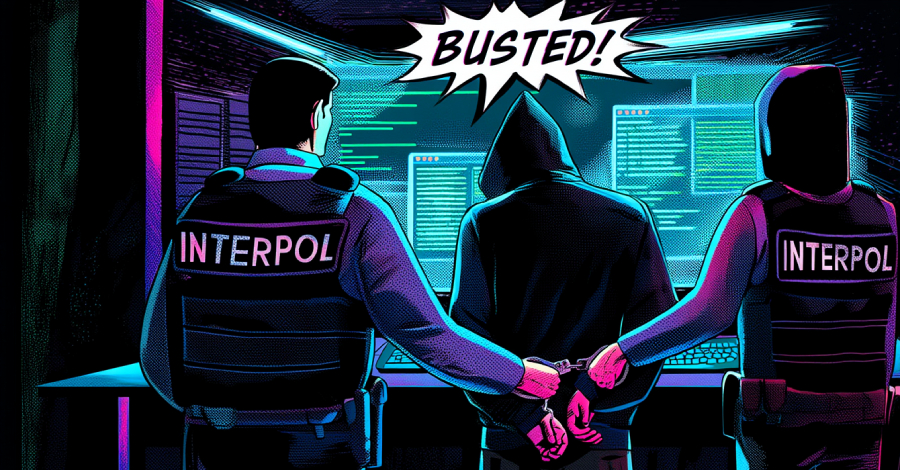

In a major international law enforcement operation, INTERPOL coordinated the takedown of tens of thousands of malicious servers and internet addresses linked to widespread cybercrime. The operation, announced on Friday, resulted in the disruption of 45,000 IP addresses and servers and led to the arrest of 94 suspects across multiple continents.
The effort, which involved police forces from 72 countries and territories, targeted infrastructure used to conduct phishing campaigns, distribute malware, and launch ransomware attacks. Its primary goal was to dismantle the operational networks of cybercriminals, disrupt emerging digital threats, and protect potential victims from online financial scams.
Scope and Scale of the Operation
The scale of the operation underscores the globalized nature of modern cybercrime. By simultaneously targeting the technical backbone of these criminal enterprises, authorities aimed to cause significant and lasting damage to their operations. The seized servers and blocked IP addresses were critical components for campaigns that steal personal data, encrypt systems for ransom, and defraud individuals and businesses.
INTERPOL has not released the specific names of all the countries involved, but such operations typically include both nations that host the criminal infrastructure and those where the perpetrators are located. The collaborative model is essential, as cybercriminals often route their attacks through servers in one country while residing in another.
Law Enforcement Strategy
The takedown represents a proactive strategy by international police to go beyond arresting individual suspects. By focusing on the infrastructure, including command and control servers and phishing hosting sites, law enforcement seeks to degrade a criminal group’s ability to function entirely. This approach can prevent more crimes than arrests alone, as it removes the tools used to target thousands of victims simultaneously.
Phishing, which involves deceptive emails or websites designed to steal login credentials, and ransomware, which locks computer files until a payment is made, are among the most prevalent and costly cyber threats worldwide. The operation’s focus on these areas addresses direct threats to public and private sector entities globally.
Ongoing Global Coordination
INTERPOL’s role as a coordinator for cross-border police work was pivotal to the operation’s success. The organization facilitates the sharing of intelligence and operational resources among its member countries, allowing for synchronized actions that have a greater impact than isolated national efforts. This operation is part of INTERPOL’s continuous initiatives to combat cyber-enabled crime on an international scale.
The arrest of 94 individuals indicates that the operation combined technical disruption with traditional investigative work to identify and apprehend suspects believed to be involved in managing or profiting from the malicious infrastructure. These arrests likely span various roles, from technical administrators to financial handlers.
Looking ahead, INTERPOL and its partner agencies are expected to analyze the data seized during the operation to identify further leads and criminal connections. The agency often uses the intelligence gathered from such sweeps to issue new warnings about evolving threat patterns and to guide future investigative priorities. Further arrests and infrastructure takedowns are likely as forensic examinations continue.
Source: INTERPOL