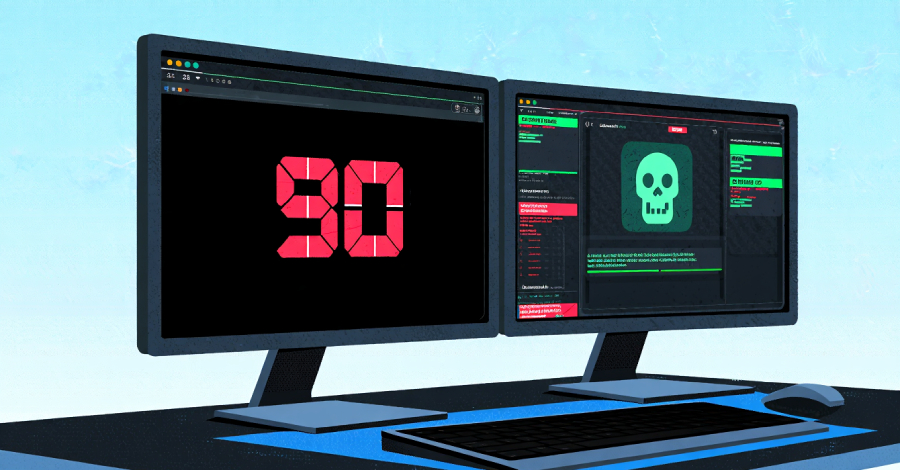

The initial moments following the detection of a security breach are now widely regarded as the most critical phase of any investigation, according to cybersecurity experts. This period, often cited as the first 90 seconds, can determine whether an organization successfully contains a threat or loses control of the situation entirely. The focus on this brief window highlights a shift in understanding from purely technical solutions to the decisive role of human judgment and established procedures under pressure.
The Critical Window of Response
Industry analysis indicates that many incident response failures are not due to a lack of advanced tools, threat intelligence, or technical skills. Instead, failures frequently originate from the actions and decisions made immediately after an alert is triggered. During this time, pressure is at its peak and available information is typically incomplete, creating a high-risk environment for missteps.
Observers within the field report that teams with clear protocols and practiced decision-making can recover from sophisticated intrusions even with limited data. Conversely, teams without such frameworks can quickly lose control of investigations they otherwise possess the technical capability to manage. The difference often hinges on the structured response initiated in the first minute and a half.
Emphasis on Process Over Tools
This perspective underscores a growing consensus in cybersecurity: while technology is essential, it must be supported by robust human-led processes. The initial response sets the trajectory for the entire investigation, influencing evidence collection, scope of the breach, and communication strategies. Experts stress that pre-defined playbooks and role clarity are indispensable for navigating the chaotic early phase of an incident.
The concept moves beyond simply reacting faster, advocating for reacting more intelligently from the very first second. This includes steps like initial triage, securing forensic evidence, and activating the correct response team without delay. These actions form the foundation upon which all subsequent technical analysis is built.
Broader Implications for Security Teams
The emphasis on the 90-second rule has direct implications for how organizations train their security personnel and design their security operations centers. Training simulations, or “tabletop exercises,” that specifically drill teams on making rapid, high-stakes decisions with incomplete data are becoming a standard practice. The goal is to build institutional muscle memory for crisis situations.
Furthermore, this insight is shaping vendor solutions, with a greater focus on integrating alert data with automated response playbooks to support, not replace, human analysts during the critical opening moments. The objective is to provide context and options to accelerate informed decision-making.
Looking Ahead
The cybersecurity industry is expected to continue refining best practices and training methodologies centered on this critical response window. Upcoming industry conferences and professional certifications are likely to place increased emphasis on crisis management and initial response procedures. Organizations worldwide are anticipated to audit and stress-test their own early-stage response plans to ensure they can withstand the pressure of a real-world breach, recognizing that the first decisions are often the most decisive.
Source: Industry Analysis