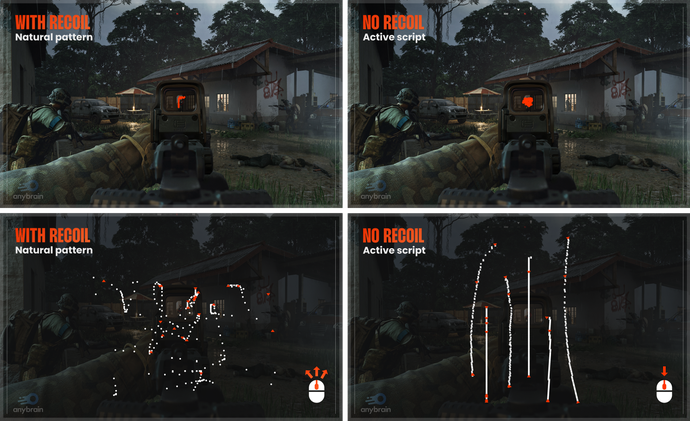

A guide to identifying cheating in online video games, with a focus on the year 2026, has been published by a provider of anti-cheat technology. The document outlines the evolving landscape of unfair play and the methods expected to detect it.
Serafim Pinto, the Chief Technology Officer and co-founder of the anti-cheat solutions firm Anybrain, authored the guide. The publication aims to inform game developers, publishers, and the broader industry about future challenges in maintaining competitive integrity.
The Evolution of Cheating Methods
The guide details how cheating techniques are anticipated to advance beyond current common methods. It suggests that while aim assistance and wallhacks remain prevalent, new threats will leverage more sophisticated technology.
These potential future methods may include advanced artificial intelligence that can mimic human behavior patterns, making detection significantly more difficult. The use of hardware-level exploits and complex network manipulation is also cited as a growing concern for security teams.
Detection Strategies for the Future
In response to these advanced threats, the guide discusses corresponding evolution in detection methodologies. It emphasizes a shift from purely reactive systems to more proactive, analytical approaches.
Future anti-cheat systems are expected to rely heavily on behavioral biometrics and continuous player analytics. This involves monitoring in-game actions to establish a unique “playprint” for each user, with deviations from this pattern flagging potential cheating.
Machine learning models will be central to processing this vast amount of behavioral data. These systems will be trained to identify anomalies that are imperceptible to traditional detection software or human observers.
Industry-Wide Implications
The publication of this forward-looking guide highlights the ongoing arms race between cheat developers and the gaming industry. Maintaining fair play is critical for player retention and the commercial success of competitive online titles.
Game companies invest substantial resources into security to protect their ecosystems. A failure to control cheating can lead to a loss of player trust, diminished engagement, and ultimately, revenue.
The guide serves as a technical resource for developers planning their long-term security infrastructure. It underscores the need for continuous investment and adaptation in anti-cheat technology.
Next Steps and Expected Developments
Based on the guide’s analysis, the next several years will see increased integration of AI-driven analytics into mainstream anti-cheat solutions. Industry collaboration on shared threat intelligence is also likely to expand as challenges become more complex.
Official timelines for the adoption of these next-generation systems will depend on individual development studios and their publishing schedules. However, the technical framework outlined suggests that by 2026, behavioral detection will be a standard component of major online competitive games.
Source: GamesIndustry.biz