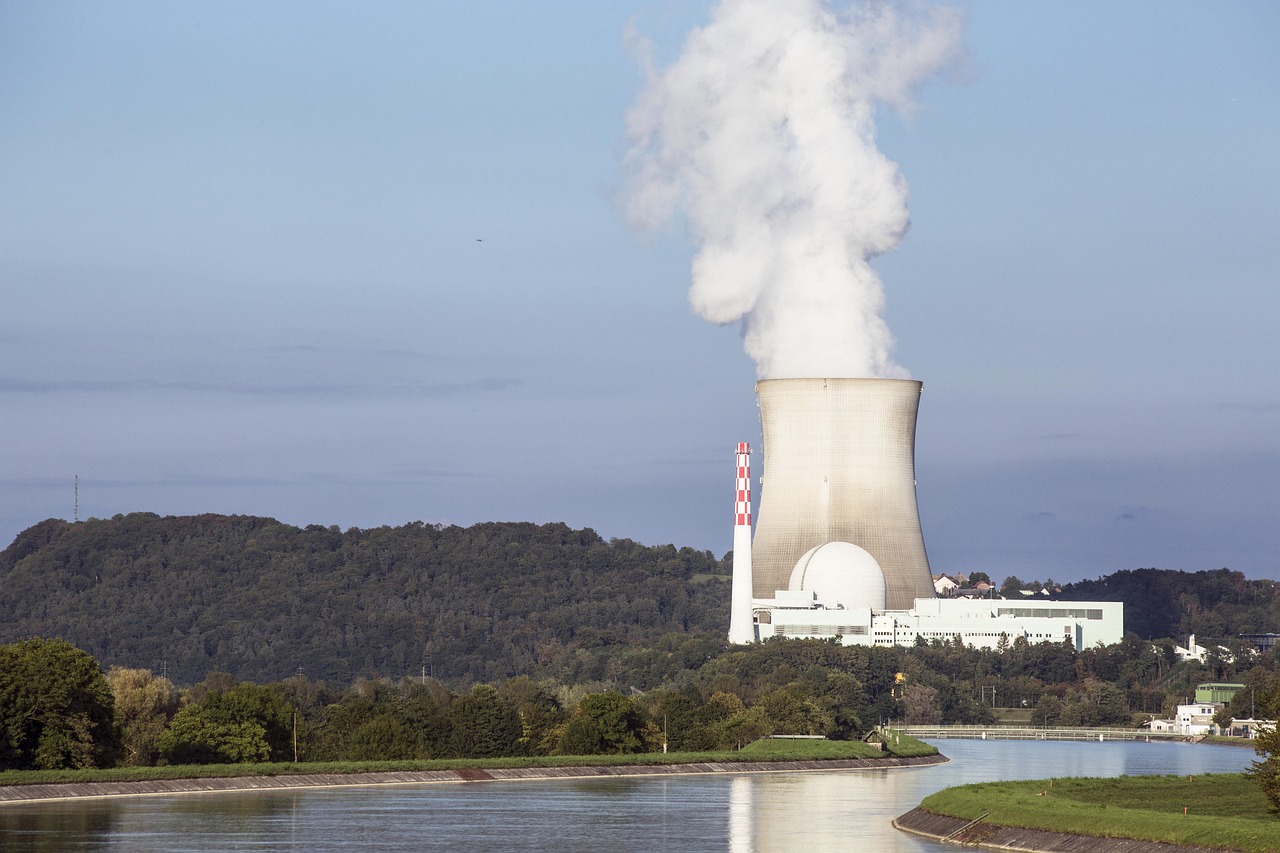

A nuclear fusion startup backed by Sam Altman is in advanced negotiations to sell a significant portion of its future energy output to the artificial intelligence company OpenAI, according to a report. Helion Energy is discussing a deal that would commit it to supply OpenAI with 12.5% of the power generated by its planned fusion facility.
Details of the Proposed Agreement
The reported talks center on a power purchase agreement. This type of contract is common in the energy industry, where a buyer secures a long-term supply of electricity from a specific generator. In this case, the agreement would see Helion provide a fixed share of its output to OpenAI, which is known for its high computational demands in training advanced AI models like ChatGPT.
Helion, based in Everett, Washington, is developing a fusion power generator. The company aims to be one of the first in the world to produce commercially viable electricity from nuclear fusion, a process that replicates the power source of the sun. Sam Altman, the CEO of OpenAI, is a major investor in Helion, having led a $500 million funding round for the company in 2021.
The Significance for AI and Energy
This potential deal highlights the growing intersection between frontier artificial intelligence development and next-generation energy infrastructure. Training and operating large-scale AI systems require immense amounts of electrical power. Industry analysts have increasingly pointed to energy availability as a potential constraint on the future growth of AI capabilities.
A reliable, large-scale source of clean, baseload power from fusion could, in theory, help address this bottleneck. For Helion, a commitment from a high-profile customer like OpenAI provides a tangible demand signal for its technology, which is still under development and has not yet demonstrated net energy gain.
Background on Helion’s Technology
Helion’s approach to fusion involves a device called a field-reversed configuration plasma magnet. The company claims its seventh-generation prototype, Polaris, is under construction and is designed to demonstrate the ability to produce electricity from fusion. The goal is to achieve net electricity production by 2024, an ambitious timeline that many in the fusion science community view as highly challenging.
Nuclear fusion promises a nearly limitless source of energy without the long-lived radioactive waste associated with current nuclear fission reactors. However, achieving a sustained and economically viable fusion reaction has been a scientific and engineering challenge for decades, with numerous technical hurdles remaining.
Next Steps and Industry Context
Neither Helion Energy nor OpenAI has issued an official public statement confirming the negotiations. The finalization of any power purchase agreement would be contingent on Helion successfully building and operating its fusion plant, a process that involves significant technical and regulatory milestones.
The development is being watched closely within both the energy and technology sectors. A successful deal would represent one of the first major commercial commitments for power from a private fusion company. The next expected development is an official announcement from either company regarding the status of the talks, or a demonstration milestone from Helion regarding its Polaris prototype.
Source: GeekWire