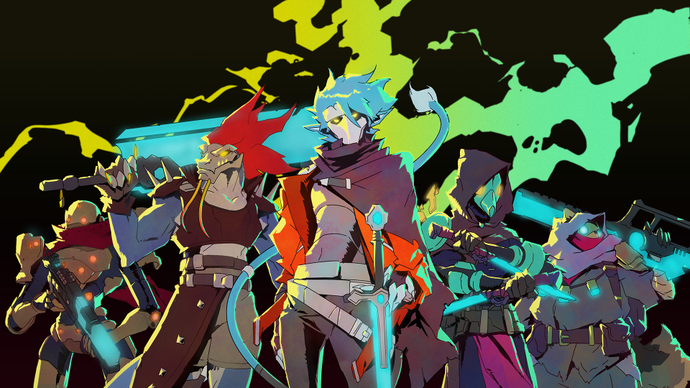

The independent video game developer Heart Machine has voluntarily recognized a union formed by its employees. The move covers workers at the studio, which is best known for creating the acclaimed titles Hyper Light Drifter and the upcoming Hyper Light Breaker. This recognition occurred without the need for a formal election process, following the union’s request for voluntary recognition from management.
Context and Industry Trend
This development places Heart Machine among a growing number of video game studios where workers have organized. The industry has seen increased unionization efforts in recent years, driven by concerns over job security, workplace culture, compensation, and the prevalence of “crunch,” the practice of extended, often mandatory overtime work periods.
Voluntary recognition is a significant step, as it signifies the employer’s agreement to bargain with the union as the legitimate representative of its covered employees. It typically allows for a more direct path to negotiating a collective bargaining agreement, bypassing the potential delays and conflicts associated with a National Labor Relations Board election.
Scope and Representation
While the specific bargaining unit details, such as which departments or job classifications are included, have not been publicly disclosed, the union is understood to represent a segment of the studio’s workforce. The Communication Workers of America (CWA), a major union active in the tech and game sectors, is assisting the Heart Machine employees in their organizing efforts.
The CWA has been instrumental in supporting several high-profile union campaigns within the video game industry, including those at Activision Blizzard studios and other independent developers. Their involvement provides organizational resources and legal expertise to the newly formed union.
Management’s Response and Stance
Heart Machine’s decision to grant voluntary recognition has been noted as a cooperative approach to labor relations. In a statement, the studio’s leadership indicated its commitment to supporting its staff and engaging in good-faith negotiations. This stance contrasts with some other companies in the sector that have actively opposed or delayed unionization efforts.
Industry analysts observe that such voluntary recognitions can help maintain a more stable and collaborative work environment during the transition. It can also serve as a positive signal to current and prospective employees about the company’s values and its willingness to engage directly with worker concerns through a structured process.
Implications for the Gaming Sector
The event at Heart Machine contributes to the ongoing narrative of changing labor dynamics in video game development. As a respected indie studio with a dedicated fanbase, its actions may influence perceptions and decisions at other small to mid-sized development houses.
Successful unionization and subsequent contract negotiations at studios like Heart Machine are closely watched. They can establish precedents on issues like sustainable development timelines, transparent royalty structures, credit attribution, and severance packages, potentially setting new standards for the broader industry.
Next Steps and Future Negotiations
The immediate next phase involves the union and Heart Machine management preparing for collective bargaining. Both sides will need to select their negotiation committees and begin the process of proposing and discussing contract terms. This period involves drafting a collective bargaining agreement that addresses wages, benefits, working conditions, and grievance procedures.
There is no official public timeline for when these negotiations will begin or conclude. The process can be lengthy, often taking several months or more, depending on the complexity of the issues and the pace of discussions. The outcome will be a ratified contract that will govern the working relationship between the studio and its unionized employees for a set term.
Source: GamesIndustry.biz