
Chris Cocks, the Chief Executive Officer of global toy and entertainment company Hasbro, has publicly stated that the video game sector must adopt a different mindset. The executive made these remarks in a recent interview, highlighting a need for industry-wide reflection on current practices and strategies.
Context of the Statement
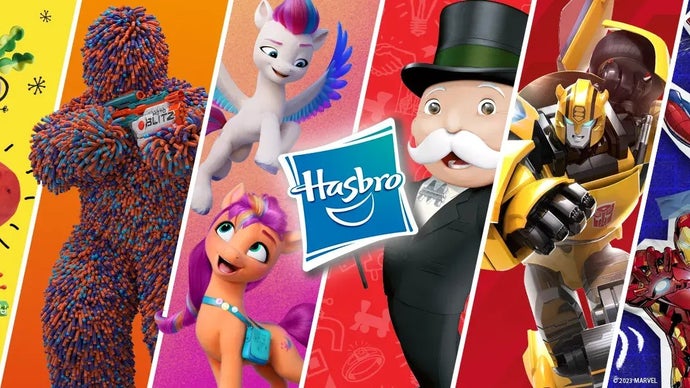
Hasbro is a significant player in the entertainment landscape, owning major intellectual properties like Dungeons & Dragons, Magic: The Gathering, and Transformers. The company has a substantial footprint in gaming through digital adaptations, licensed video games, and its subsidiary, Wizards of the Coast. Cocks’s perspective is informed by Hasbro’s direct involvement in both creating and licensing content for the interactive entertainment market.
The CEO did not specify particular business models or development practices in his brief public comment. However, his call for different thinking comes during a period of significant transition and challenge for the global games industry. This context includes widespread studio restructuring, evolving player expectations, and intense competition for audience engagement.
Industry Climate and Challenges
The video game industry has faced a turbulent period marked by high-profile layoffs and project cancellations across numerous companies in 2023 and 2024. Concurrently, development costs for major titles have continued to rise, while the market has become increasingly saturated. These factors have pressured traditional publishing and development models.
Analysts note that the industry is grappling with the long-term sustainability of certain practices, such as extended development cycles for AAA games and the challenges of live-service game maintenance. Furthermore, shifts in player demographics and the rapid growth of new platforms and distribution methods require continuous adaptation from established companies.
Potential Implications
As the head of a major licensor and content creator, Cocks’s comments may signal a strategic evaluation within Hasbro regarding its approach to video game partnerships and internal projects. The company’s properties are regularly adapted into digital games by both internal teams and external development studios.
A push for “different thinking” could influence how Hasbro negotiates licenses, greenlights projects, or invests in game development. It may also reflect a broader sentiment among executives at traditional entertainment companies who are navigating the convergence of toys, media, and interactive digital experiences.
Looking Ahead
Industry observers will be watching for more detailed commentary from Hasbro leadership on this topic, potentially during future earnings calls or investor presentations. The company’s upcoming slate of video game releases, which includes new entries in its flagship franchises, may offer practical examples of any shifted strategy.
More broadly, Cocks’s statement adds to a growing dialogue among industry leaders about innovation and sustainability. The coming months are likely to see continued discussion on business model evolution, creative risk-taking, and technological adaptation as key players respond to a dynamic and competitive market environment.
Source: GamesIndustry.biz