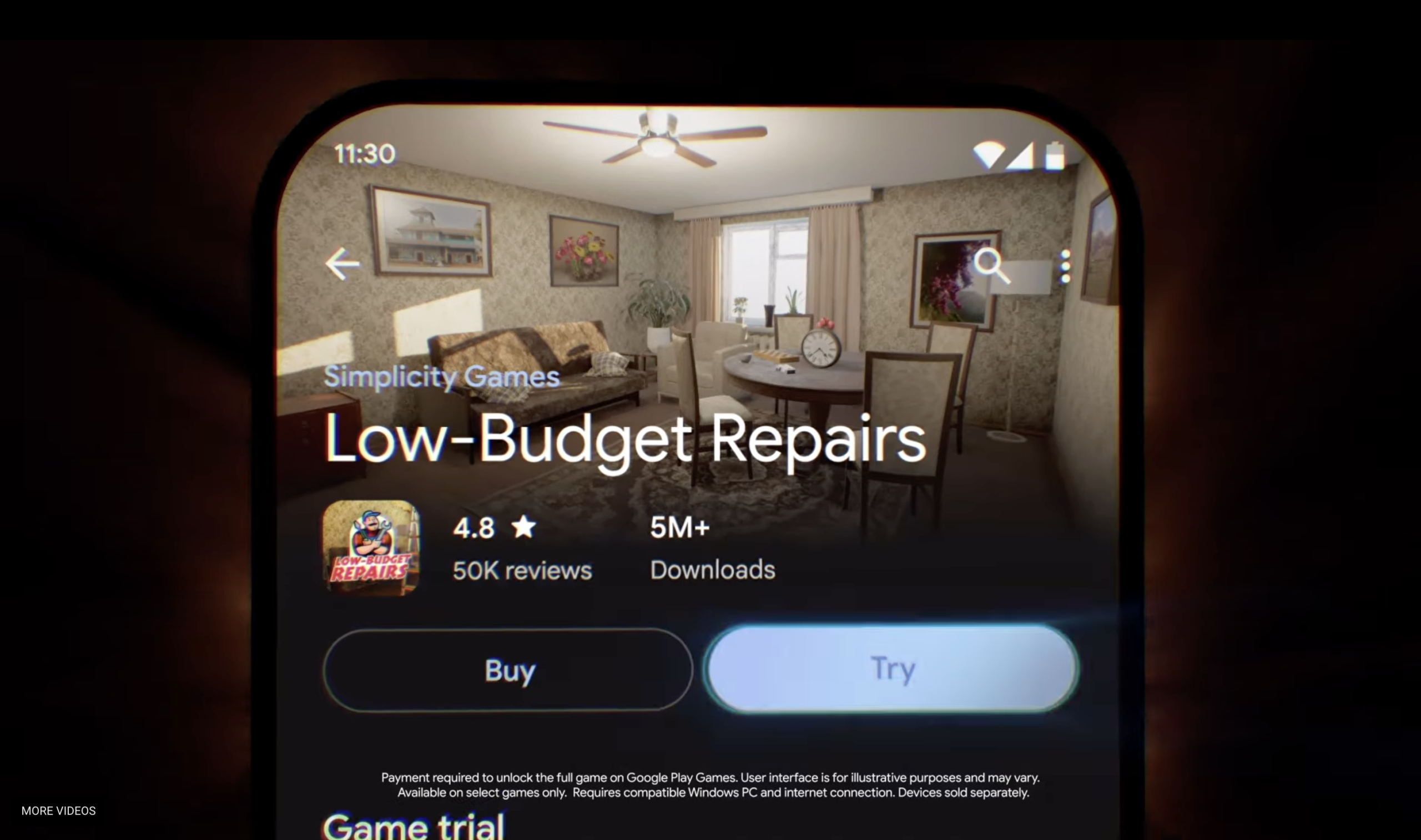

Google has announced a new feature for its Play Store that will allow users to try paid games for free before making a purchase. The feature, which is expected to roll out globally, is designed to give consumers a chance to experience premium games without an initial financial commitment. Progress made during the trial period will be retained if the user decides to buy the full game.
How the Trial System Works
The trial mechanism will function as a timed demo or a limited version of the full game. Users browsing the Play Store will see a “Try Now” option alongside the traditional purchase button on eligible paid game listings. Upon selecting this option, they can download and play the game for a set period, which could range from a short session to several hours, or access a specific portion of the game’s content.
A key technical aspect confirmed by Google is data persistence. Any achievements, unlocked levels, or in-game progress earned during the free trial will seamlessly carry over to the full version once a purchase is completed. This addresses a common concern among gamers who dislike repeating content after a demo.
Background and Industry Context
This move aligns Google Play more closely with practices already established on other digital storefronts. Platforms like Steam, the Epic Games Store, and various console marketplaces have offered similar free trial or demo programs for years. For mobile gaming, which is often dominated by free-to-play titles with in-app purchases, this represents a significant shift in how premium, upfront-paid games can be marketed and discovered.
The initiative is seen as a direct benefit to both consumers and developers. It lowers the barrier to entry for users hesitant to spend money on an untested game, while providing developers with a powerful tool to showcase their product’s quality and potentially increase conversion rates from interest to sale.
Implications for Developers and Users
For game developers, participation in the free trial program is optional. Developers can configure the duration and scope of the trial offered for their titles. This allows them to strategically present the most engaging part of their game to hook potential buyers. Analysts suggest this could lead to higher-quality game development, as the trial period puts the core gameplay loop under immediate scrutiny.
For consumers, the feature introduces a new layer of confidence in purchasing decisions. It mitigates the risk of buying a game that does not meet expectations in terms of performance, controls, or enjoyment on a specific device. The preservation of progress is a critical component, making the transition from trial to ownership frictionless.
Expected Rollout and Future Developments
Google has not provided a specific public timeline for the global availability of the feature. The rollout is expected to be gradual, potentially starting with a select group of developers and titles before expanding. The company will likely monitor engagement metrics and developer feedback closely during the initial phase.
Looking ahead, the success of this program could influence broader policies on the Play Store. If widely adopted, it may become a standard expectation for paid applications, not just games. Furthermore, it sets a competitive precedent for other app marketplaces, potentially encouraging them to enhance their own consumer-friendly discovery features. The long-term impact on mobile game sales and development trends will be closely watched by the industry.
Source: Mashable