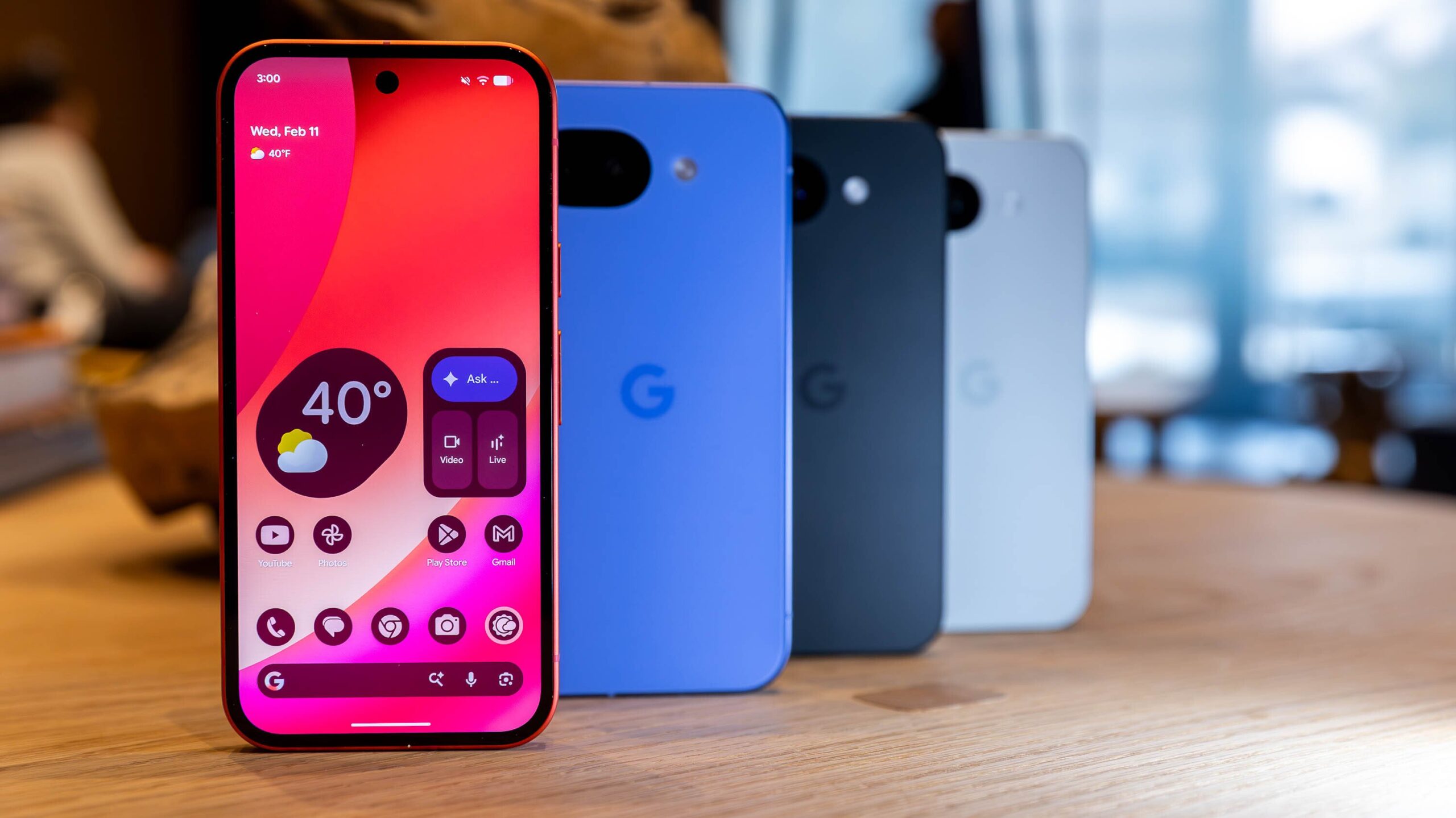

<img src="https://sm.mashable.com/t/mashable_me/review/r/review-the/review-the-499-pixel-10a-does-something-samsung-and-apple-ca_n3ag.640.jpg" alt="Google Pixel 10a smartphone” />
Google has released the Pixel 10a, a budget smartphone priced at $499. The device, announced this week, follows the company’s established strategy of offering a more affordable version of its flagship phone from the previous year. The launch is significant as it introduces a specific design change not found in competing devices from Samsung and Apple, potentially influencing the budget smartphone market.
The Pixel 10a is positioned as a mid-range Android handset. It is described as a slightly downgraded version of the previous year’s flagship Pixel 10 model. This approach allows Google to provide core smartphone functionality at a lower price point.
Product Strategy and Market Context
Industry analysts note that Google’s strategy with the ‘a’ series has remained consistent for several years. The company releases a premium flagship device, followed by a more accessible model that retains many core features. The Pixel 10a continues this pattern, aiming to capture value conscious consumers.
The smartphone market’s budget segment is highly competitive, with major players like Samsung offering Galaxy A series devices and Apple providing older iPhone models at reduced prices. Google’s entry into this space with the Pixel 10a adds another option for consumers seeking capable devices without flagship pricing.
Key Features and Design
While detailed specifications were not fully disclosed in the initial announcement, the device is reported to include one notable design alteration. This specific change distinguishes its physical appearance from current offerings by its main competitors. The exact nature of this design feature was highlighted as a positive aspect of the device’s construction.
The phone runs on Google’s Android operating system. It is expected to include software features and AI capabilities common to the Pixel lineup, though likely in a scaled back form compared to the premium Pixel 10. The focus remains on delivering a reliable user experience for essential tasks like communication, web browsing, and photography.
Consumer and Industry Implications
The release of the Pixel 10a provides consumers with an additional choice in the $500 price range. For Google, it represents an opportunity to expand its user base and promote its ecosystem of services, including the Google Assistant and Google Photos. The distinctive design element may serve as a talking point for differentiation in a crowded market.
Technology reviewers have characterized the device as a competent budget phone that follows a predictable upgrade path. The lack of major novelty is seen as part of a stable product strategy rather than a drawback for this category, where consistency and value are often prioritized over radical innovation.
Looking ahead, industry observers will monitor sales performance and consumer reception of the Pixel 10a’s unique design feature. Google is expected to continue its annual release cycle for both flagship and budget Pixel phones. Further details on availability, carrier partnerships, and full technical specifications are anticipated to be announced in the coming weeks.
Source: Mashable