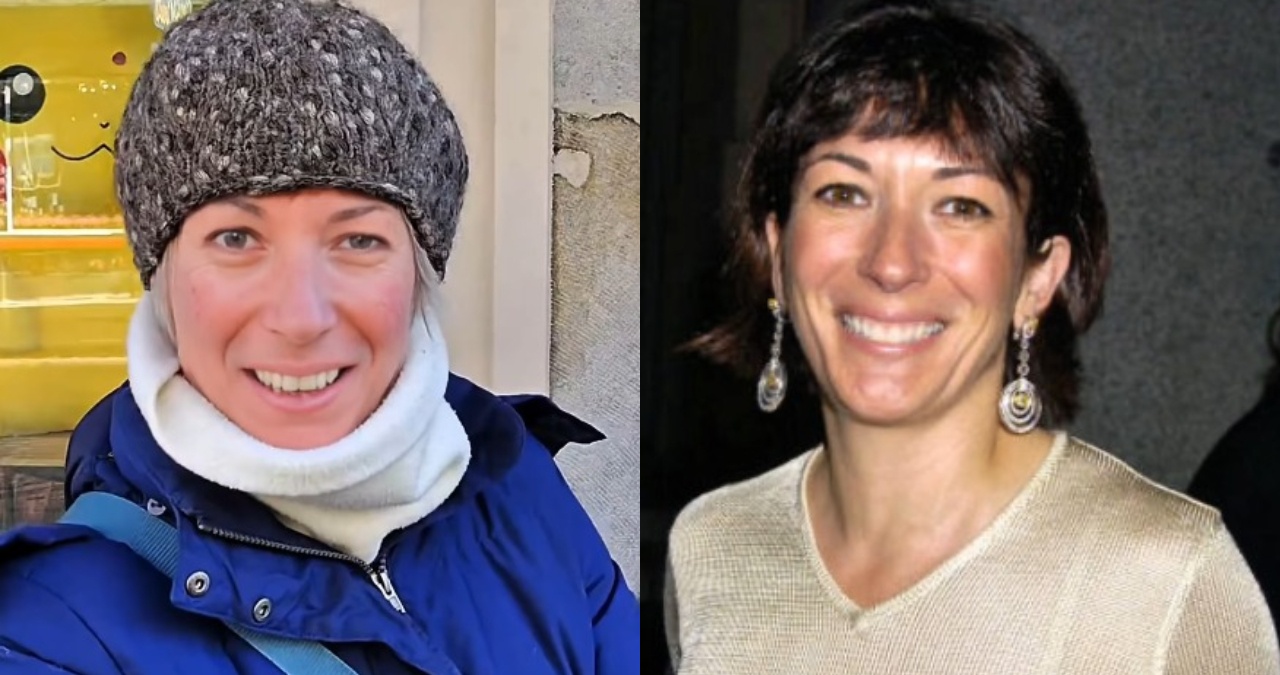

Ghislaine Maxwell, the convicted associate of financier Jeffrey Epstein, remains incarcerated at the Federal prison Camp in Bryan, Texas. The confirmation of her current location comes amid renewed public attention following the emergence of a viral video from Quebec City, whose creator has publicly addressed the online storm surrounding their work.
Maxwell’s Incarceration Status
Maxwell is serving a 20-year sentence after being found guilty in December 2021 on charges including sex trafficking of a minor and conspiracy. The Federal Prison Camp (FPC) in Bryan is a minimum-security facility housing female inmates. Her imprisonment there follows her conviction for crimes committed over a decade while she aided Epstein’s abuse of young girls.
The Bureau of Prisons publicly lists inmate locations, and Maxwell’s profile confirms her assignment to FPC Bryan. Her legal team continues to pursue appeals, challenging both the conviction and the length of her sentence. A federal appeals court heard arguments in her case earlier this year, but a final ruling has not yet been issued.
Quebec Video Creator Breaks Silence
Separately, the individual responsible for a widely circulated video filmed in Quebec City has ended their silence. The video, which gained significant traction on social media platforms, sparked intense online discussion and speculation. In a recent statement, the creator clarified the context and intent behind the footage, aiming to address the rumors and misinformation that proliferated online.
The creator emphasized that the video was not connected to any criminal activity or the Maxwell case. They expressed concern over the rapid spread of the content and the subsequent online harassment they faced. By speaking publicly, the individual sought to reclaim the narrative and provide factual background to counter the speculative theories that had dominated social media conversations.
Legal and Online Context
These two unrelated developments highlight intersecting themes of high-profile criminal justice and the powerful, often unpredictable, role of social media. Maxwell’s case remains a focal point in ongoing discussions about accountability for sexual abuse and the exploitation of vulnerable individuals.
Concurrently, the Quebec video incident underscores the velocity at which content can spread online, frequently detached from its original context. It raises questions about digital literacy, the ethics of sharing unverified content, and the real-world impact on individuals caught in viral online storms.
Next Steps and Expected Developments
Legal observers await the decision from the U.S. Court of Appeals for the Second Circuit regarding Maxwell’s appeal. The court’s ruling, which could affirm, overturn, or modify her conviction and sentence, is expected in the coming months. Meanwhile, the creator of the viral video has indicated a desire to move past the incident, though the enduring nature of online content suggests the discussion may continue in certain digital forums.
Source: Mashable