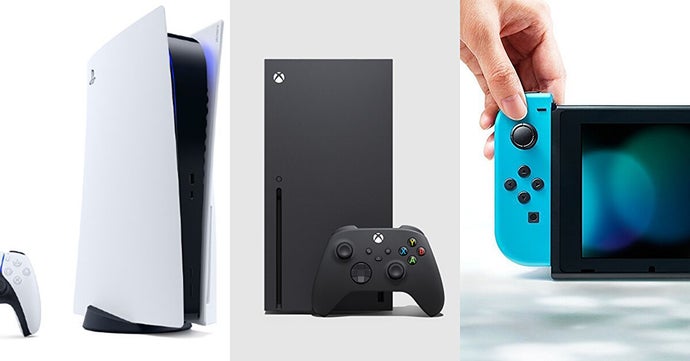

The global gaming hardware sector experienced significant production constraints over the past five years, directly linked to worldwide supply chain disruptions. This period coincided with a surge in consumer demand for video games, creating a pronounced market imbalance. The situation was most visibly exemplified by the prolonged shortage of Sony’s PlayStation 5 console following its launch.
Origins of the Supply Disruption
The onset of the COVID-19 pandemic severely impacted high-tech manufacturing and logistics networks. Factories faced closures, component shortages arose, and shipping routes experienced major delays. For the video game industry, this created a perfect storm where the ability to produce and distribute new hardware was drastically reduced at the very moment more people were seeking home entertainment options.
Manufacturers across the sector found their production plans upended. Many companies were unable to meet their pre-existing production targets, let alone increase output to match the growing consumer interest. This was not an issue of poor planning but a consequence of global macroeconomic factors affecting the availability of essential semiconductors and other electronic components.
Market Impact and Consumer Response
The PlayStation 5 became the most prominent symbol of these industry-wide challenges. For nearly a full year after its release, the console was extremely difficult for consumers to purchase through standard retail channels. Inventory would sell out within minutes of becoming available online, leading to widespread frustration among gamers and creating a robust secondary market with inflated prices.
This scarcity was not limited to a single manufacturer or platform. Similar, though less publicized, challenges affected other gaming hardware, including high-end graphics cards for personal computers and components for various gaming peripherals. The entire ecosystem, from consoles to accessories, felt the strain of the constrained supply.
Long-Term Industry Considerations
Analysts note that the extended period of hardware scarcity has prompted a reevaluation of traditional product cycles and supply chain dependencies within the technology sector. The experience highlighted vulnerabilities in just-in-time manufacturing models when faced with global systemic shocks. Companies are now reportedly investing in more resilient and diversified supply networks to mitigate future risks.
Furthermore, the sustained software sales and strong engagement on existing platforms during the shortage period have led some industry observers to question the necessity of rapid, generational hardware turnover. The performance of previous-generation consoles, which remained in active use and continued to receive new game releases, demonstrated continued viability beyond typical lifecycles.
Future Outlook and Stabilization
Supply chains for gaming hardware components have largely normalized in the intervening years. Major console manufacturers have reported that production has met demand, and products are readily available at retailers. The industry appears to be entering a period of stability after several years of turbulence.
Looking ahead, the focus for hardware makers is likely to shift toward software services and ecosystem development while managing a more predictable hardware refresh cycle. The lessons learned from the supply chain crisis are expected to influence product planning and logistics strategies for the next generation of gaming devices, with an emphasis on flexibility and risk management. Market analysts anticipate that future console launches will be planned with greater contingency for external disruptions.
Source: GamesIndustry.biz