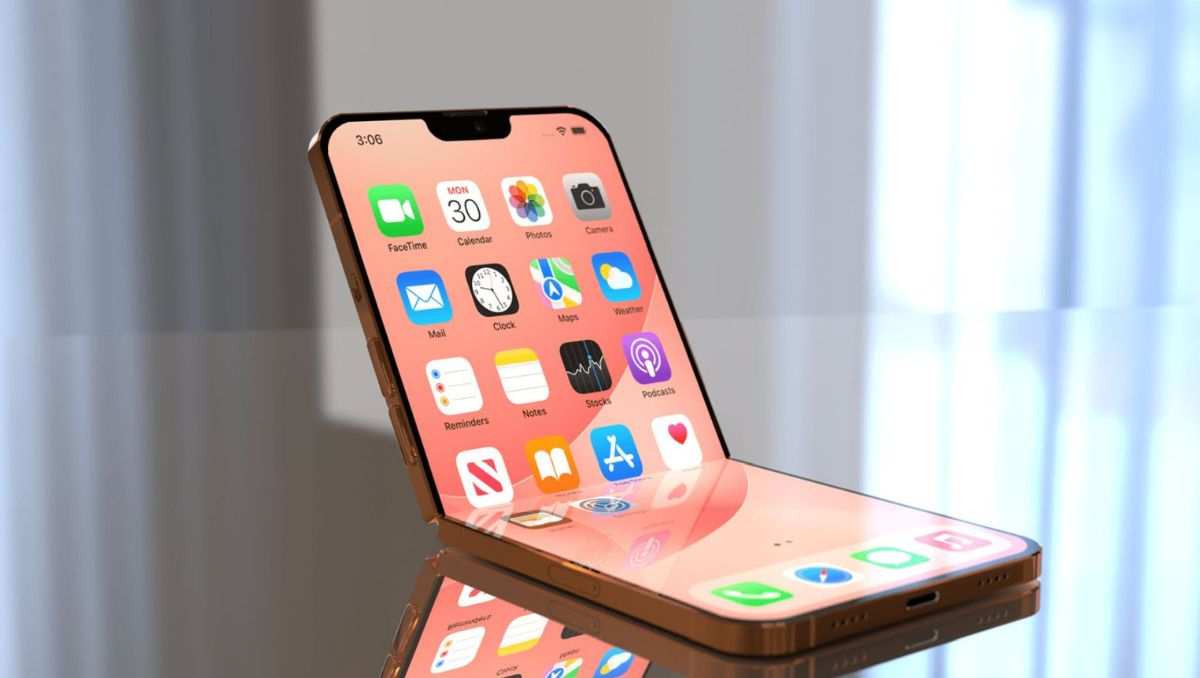

Apple Inc. is reportedly in the testing phase for a flip-style foldable iPhone, according to industry sources. The potential device, however, is not expected to reach consumers before the year 2027. This information, based on supply chain reports and analyst commentary, indicates a cautious and extended development timeline for Apple’s entry into the foldable smartphone market.
Development Timeline and Market Context
The reported 2027 target for a consumer release suggests Apple is taking a measured approach to foldable technology. This timeline places the company several years behind competitors like Samsung, Motorola, and various Chinese manufacturers who have already released multiple generations of flip-style and book-style foldable phones. The extended development period is widely interpreted as Apple’s focus on overcoming technical hurdles specific to its design and quality standards.
Key challenges for any foldable device include the durability of the flexible display, the reliability of the hinge mechanism, and software optimization for a new form factor. Apple is known for its stringent requirements for product longevity and user experience, factors that likely contribute to the lengthy testing and refinement process. Industry analysts note that Apple typically enters a product category only when it believes it can deliver a refined and market-defining experience.
Technical and Supply Chain Considerations
The development of a foldable iPhone involves complex supply chain coordination. Apple is said to be evaluating display panels from multiple suppliers, including Samsung Display and LG Display, which are currently the leading producers of flexible OLED screens. The hinge mechanism, a critical component for durability and a seamless fold, represents another significant engineering challenge that requires specialized manufacturing partners.
Software integration remains a paramount concern. Apple’s iOS would need significant adaptation to work fluidly on a folding display, with seamless transitions between folded and unfolded states. The company’s tight control over both hardware and software is seen as an advantage in solving these integration issues, but it also necessitates a comprehensive and time-consuming development cycle.
Market Implications and Competitive Landscape
The eventual release of a foldable iPhone would mark a major shift in Apple’s smartphone strategy, which has remained focused on traditional slab-style designs since the original iPhone’s debut in 2007. A successful foldable device from Apple could accelerate mainstream adoption of the form factor, which currently occupies a premium niche within the global smartphone market.
Competitors will be watching Apple’s progress closely. The company’s entry is anticipated to validate the foldable segment further and could spur increased innovation and competition on durability, price, and software features. However, the 2027 timeframe gives existing players a multi-year window to solidify their market positions and advance their own technologies.
Future Outlook and Next Steps
Based on current reporting, the next steps for Apple’s foldable iPhone project will involve continued internal testing, prototype refinement, and supply chain scaling. Official confirmation from Apple is not expected until much closer to a launch event, as the company maintains strict secrecy around unannounced products. Industry observers will monitor patent filings, component supplier reports, and analyst notes for further indications of the device’s design specifications and progress toward the reported 2027 release window.
Source: Multiple industry reports and analyst notes.