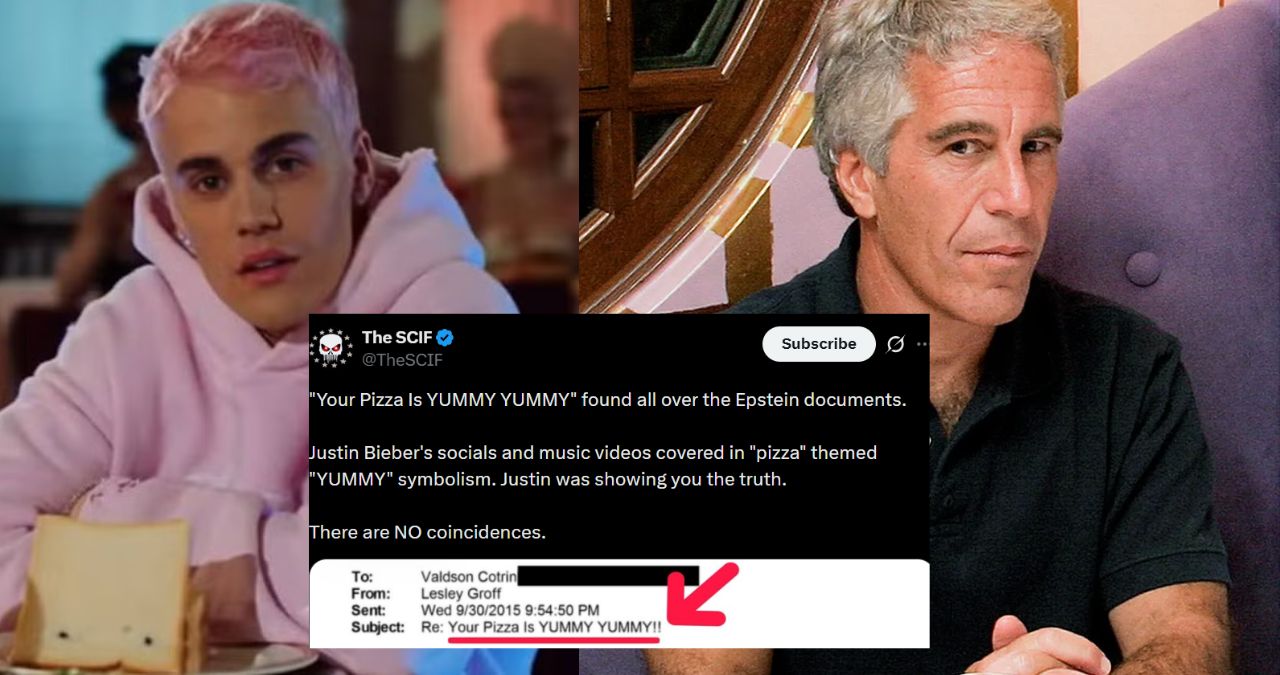

A viral online theory has sparked widespread discussion by suggesting a 2020 pop song contained hidden warnings about information expected in court documents related to the late financier Jeffrey Epstein. The theory, which gained momentum on social media platforms this week, specifically references the Justin Bieber single “Yummy.”
The speculation emerged as public attention focused on the impending release of a tranche of court documents from a settled civil case connected to Epstein. These documents, which began being unsealed by a New York judge, are expected to name numerous associates of Epstein, who was a convicted sex offender and died in jail in 2019 while awaiting trial on sex trafficking charges.
Origin of the Online Speculation
The connection was first proposed by users on platforms like X, formerly known as Twitter, and TikTok. They pointed to specific lyrics in “Yummy,” such as references to “the bigger picture” and “feeding,” interpreting them as cryptic messages. Proponents of the theory argue the song’s release date, January 3, 2020, and its music video aesthetics were deliberate signals.
No evidence has been presented linking the song’s creation to the Epstein case or its associated individuals. The theory remains a product of online user interpretation and has not been substantiated by any official source or statement from the artist.
Artist and Record Label Have Not Commented
As of this reporting, representatives for Justin Bieber and his record label have not issued any public statements addressing the viral theory. The song was originally marketed and received as a lighthearted pop track about romantic desire upon its release nearly four years ago.
Mainstream media outlets and fact-checking organizations have largely categorized the claim as an unfounded conspiracy theory. They note the timing of the song’s release preceded the public unsealing order for the documents by several years.
Broader Context of online misinformation
This incident occurs within a broader digital environment where high-profile legal cases often generate significant speculative content online. The Epstein case, due to its scale and the prominence of alleged associates, has been a particular focal point for conspiracy theories and misinformation campaigns across social media.
Experts in digital media note that such theories often gain traction by repurposing unrelated cultural artifacts, assigning them new, ominous meanings that align with pre-existing public suspicions about powerful institutions and individuals.
The expected continuation of document releases from the Epstein-related case in the coming weeks will likely sustain public and online interest. Further unsealing of names and details may fuel additional speculative theories. Media analysts anticipate that social media platforms will continue to be a primary arena for the dissemination and debate of both verified information and unfounded claims surrounding this case.
Source: Mashable